
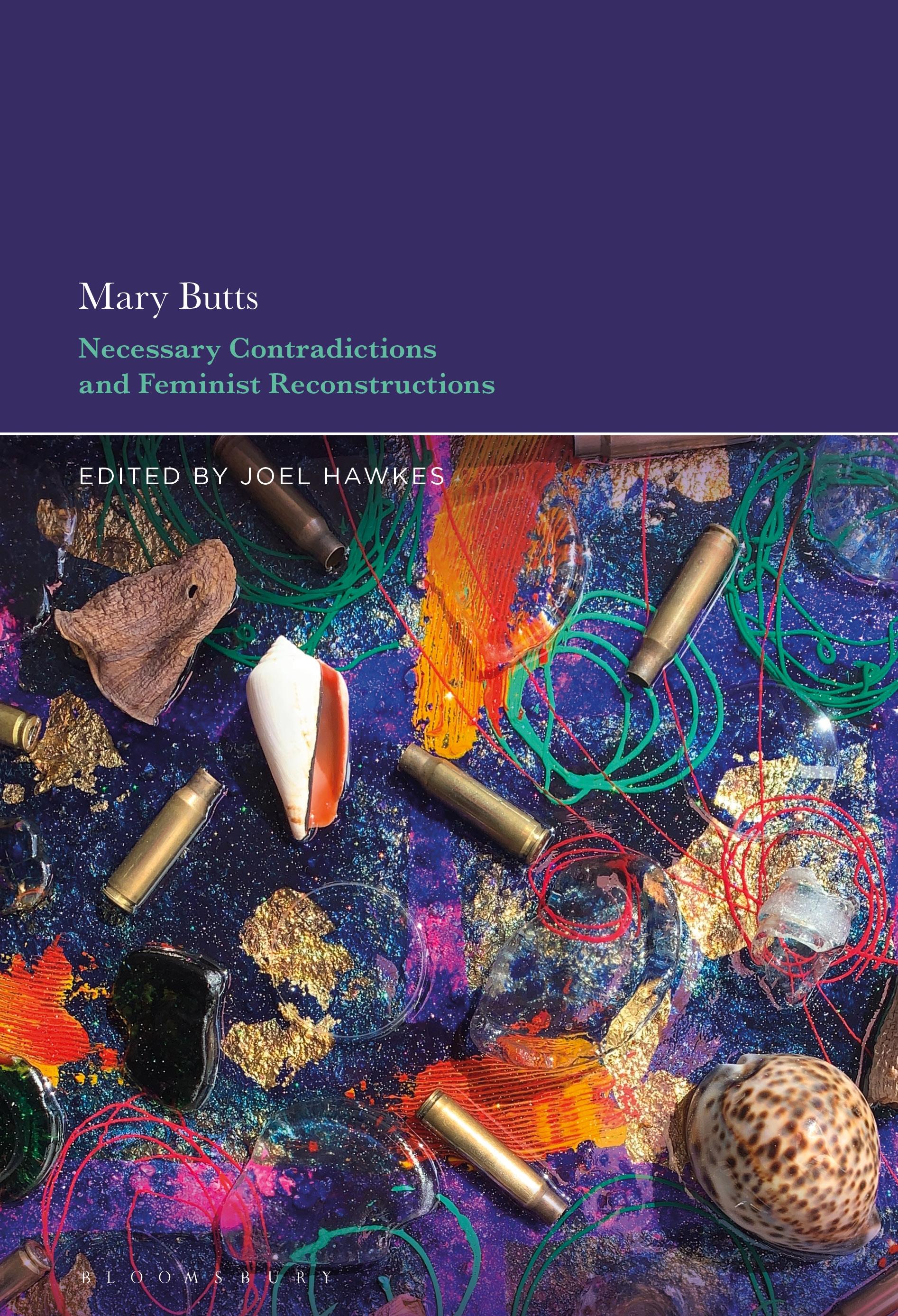
A scholarly and experimental collection that offers fresh insight-with a feminist focus-into the often overlooked modernist writer Mary Butts and the contested processes of recovering such an author.
Scholars instrumental in the recovery of Mary Butts, along with newer writers, publishers, printers, and artists, enter into conversation exploring the work of the British author, whose body of work plays between high modernist forms and more popular genres-writing that can be described as occult, Gothic, queer, proto-environmental, and feminist. Taking its cue from Butts's experimental, rhythmic writing and the transnational artistic communities in which Butts moved in the 1920s, the collection is a non-linear exchange rather than a collection of isolated arguments-a conversation constructed from "classical" academic chapters, "knight's move" non-academic reflections, and short responses to these.
This conversation lies at the intersection of "feminism" and "reconstruction": Chapters range between Butts's writing techniques and forms, her position in the modernist canon, contested sites of feminism in her work, critical reception of that work, queer and post-critical readings, and the success of, and the need for, a feminist recovery of the author. The collection aims to be a feminist engagement, while asking questions of what this might look like, why it is needed, and how such an approach offers fresh insight into an erudite, playful, difficult, contradictory, and experimental body of work. Ultimately, the collection asks, how should we reconstruct the author and her work for the contemporary reader?
Scholars instrumental in the recovery of Mary Butts, along with newer writers, publishers, printers, and artists, enter into conversation exploring the work of the British author, whose body of work plays between high modernist forms and more popular genres-writing that can be described as occult, Gothic, queer, proto-environmental, and feminist. Taking its cue from Butts's experimental, rhythmic writing and the transnational artistic communities in which Butts moved in the 1920s, the collection is a non-linear exchange rather than a collection of isolated arguments-a conversation constructed from "classical" academic chapters, "knight's move" non-academic reflections, and short responses to these.
This conversation lies at the intersection of "feminism" and "reconstruction": Chapters range between Butts's writing techniques and forms, her position in the modernist canon, contested sites of feminism in her work, critical reception of that work, queer and post-critical readings, and the success of, and the need for, a feminist recovery of the author. The collection aims to be a feminist engagement, while asking questions of what this might look like, why it is needed, and how such an approach offers fresh insight into an erudite, playful, difficult, contradictory, and experimental body of work. Ultimately, the collection asks, how should we reconstruct the author and her work for the contemporary reader?
Payez facilement par carte, Klarna, Apple Pay ou Google Pay. Pas satisfait ? Vous avez toujours une garantie de remboursement de 14 jours. En savoir plus dans nos conditions. Si vous avez des questions, envoyez-nous un e-mail à hello@memmo.org.
Memmo facilite tes études, où que tu sois dans le monde. On rassemble tes manuels de cours et des outils d'étude intelligents au même endroit : résumés, quiz, podcasts et flashcards. Et il y a Ted, ton compagnon d'étude qui répond à toutes tes questions. Plus de 50 000 étudiants étudient déjà ici – conçu pour t'aider à apprendre plus vite et à moins stresser.