
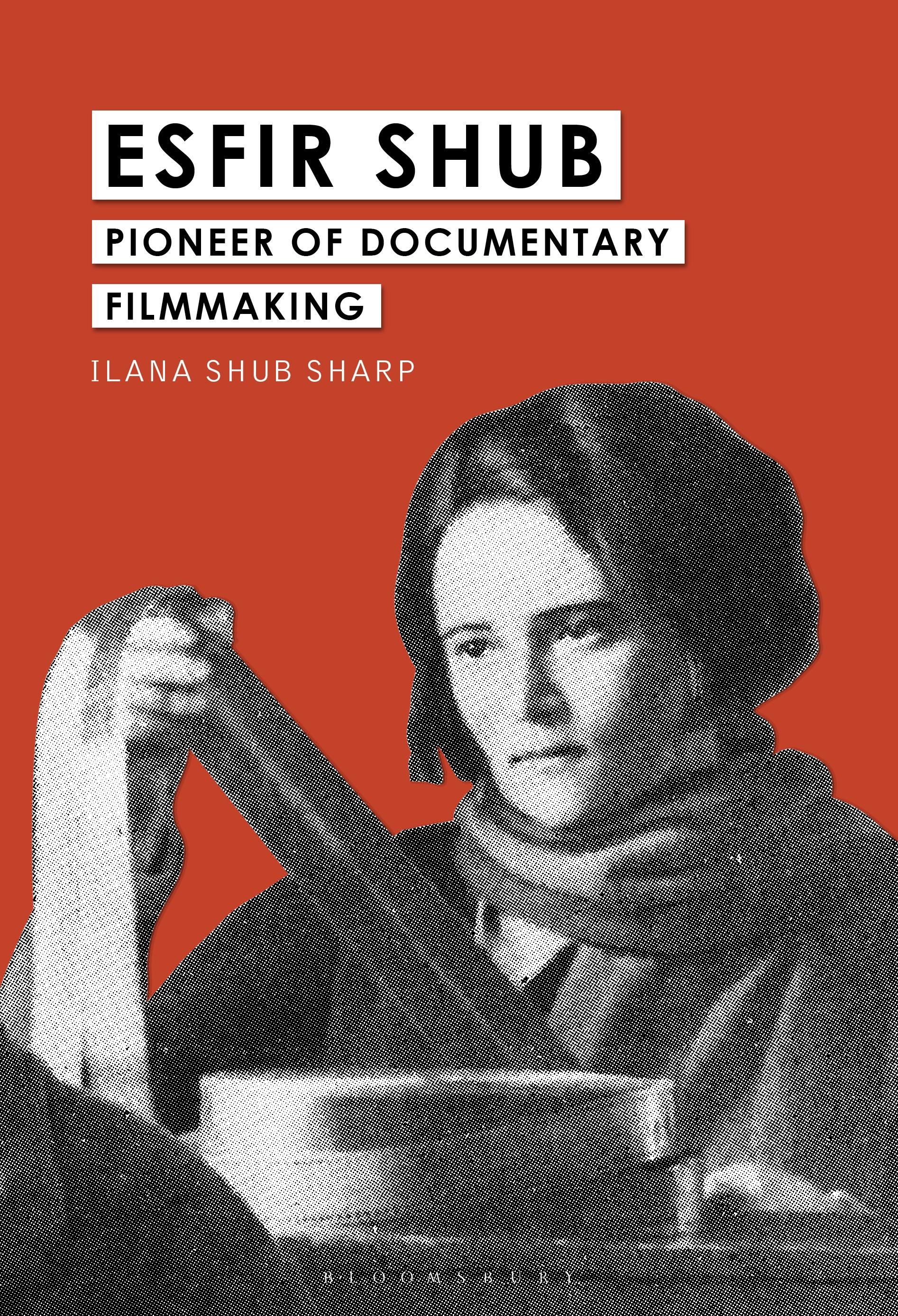
Esfir Shub was the only prominent female director of nonfiction film present at the dawning of the Soviet film industry. She was, in fact, the first woman both to write critical texts on cinema and then practically apply these theorisations in her own films. As such, her syncretism of cinema theory and praxis inspired her to ask questions regarding both the nature of nonfiction film, such as the problem of authenticity and reality, and the function of the artist in society; issues which are still relevant in contemporary discussions about the documentary.
Accordingly, this book demonstrates Shub's position not only as a significant filmmaker and recognised member of the early Soviet avant-garde but also as a key figure in global cinema history. Shub deserves recognition both as the founder and ardent promoter of the compilation film genre and as a pioneer of the theory and practice of documentary filmmaking.
Accordingly, this book demonstrates Shub's position not only as a significant filmmaker and recognised member of the early Soviet avant-garde but also as a key figure in global cinema history. Shub deserves recognition both as the founder and ardent promoter of the compilation film genre and as a pioneer of the theory and practice of documentary filmmaking.
Payez facilement par carte, Klarna, Apple Pay ou Google Pay. Pas satisfait ? Vous avez toujours une garantie de remboursement de 14 jours. En savoir plus dans nos conditions. Si vous avez des questions, envoyez-nous un e-mail à hello@memmo.org.
Memmo facilite tes études, où que tu sois dans le monde. On rassemble tes manuels de cours et des outils d'étude intelligents au même endroit : résumés, quiz, podcasts et flashcards. Et il y a Ted, ton compagnon d'étude qui répond à toutes tes questions. Plus de 50 000 étudiants étudient déjà ici – conçu pour t'aider à apprendre plus vite et à moins stresser.