
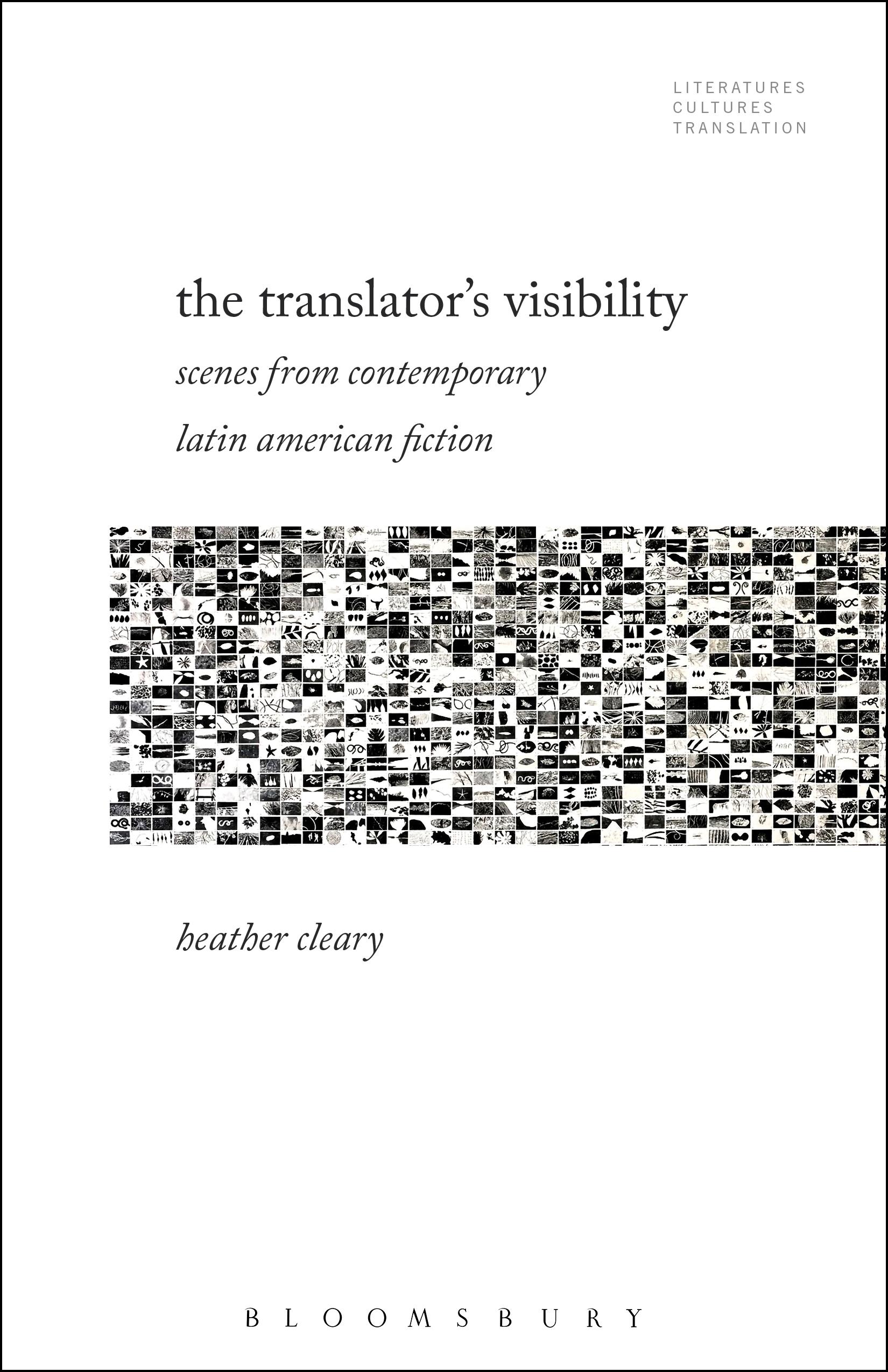
At the intersection of translation studies and Latin American literary studies, The Translator's Visibility examines contemporary novels by a cohort of writers – including prominent figures such as Cristina Rivera Garza, César Aira, Mario Bellatin, Valeria Luiselli, and Luis Fernando Verissimo – who foreground translation in their narratives.
Drawing on Latin America's long tradition of critical and creative engagement of translation, these novels explicitly, visibly, use major tropes of translation theory – such as gendered and spatialized metaphors for the practice, and the concept of untranslatability – to challenge the strictures of intellectual property and propriety while shifting asymmetries of discursive authority, above all between the original as a privileged repository of meaning and translation as its hollow emulation.
In this way, The Translator's Visibility show that translation not only serves to renew national literatures through an exchange of ideas and forms; when rendered visible, it can help us reimagine the terms according to which those exchanges take place. Ultimately, it is a book about language and power: not only the ways in which power wields language, but also the ways in which language can be used to unseat power.
Drawing on Latin America's long tradition of critical and creative engagement of translation, these novels explicitly, visibly, use major tropes of translation theory – such as gendered and spatialized metaphors for the practice, and the concept of untranslatability – to challenge the strictures of intellectual property and propriety while shifting asymmetries of discursive authority, above all between the original as a privileged repository of meaning and translation as its hollow emulation.
In this way, The Translator's Visibility show that translation not only serves to renew national literatures through an exchange of ideas and forms; when rendered visible, it can help us reimagine the terms according to which those exchanges take place. Ultimately, it is a book about language and power: not only the ways in which power wields language, but also the ways in which language can be used to unseat power.
Payez facilement par carte, Klarna, Apple Pay ou Google Pay. Pas satisfait ? Vous avez toujours une garantie de remboursement de 14 jours. En savoir plus dans nos conditions. Si vous avez des questions, envoyez-nous un e-mail à hello@memmo.org.
Memmo facilite tes études, où que tu sois dans le monde. On rassemble tes manuels de cours et des outils d'étude intelligents au même endroit : résumés, quiz, podcasts et flashcards. Et il y a Ted, ton compagnon d'étude qui répond à toutes tes questions. Plus de 50 000 étudiants étudient déjà ici – conçu pour t'aider à apprendre plus vite et à moins stresser.