
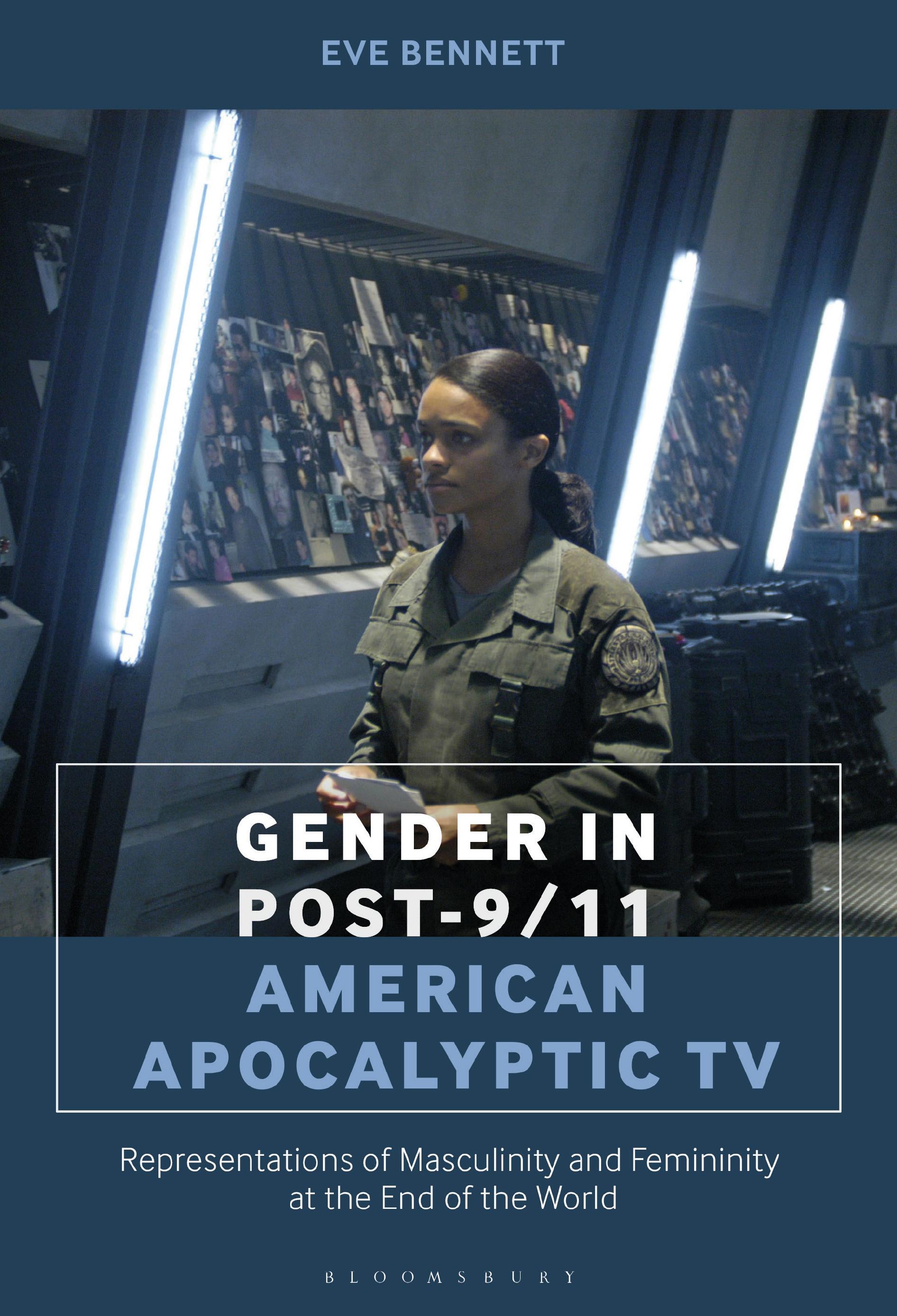
In the years following 9/11, American TV developed a preoccupation with apocalypse. Science fiction and fantasy shows ranging from Firefly to Heroes, from the rebooted Battlestar Galactica to Lost, envisaged scenarios in which world-changing disasters were either threatened or actually took place. During the same period numerous commentators observed that the American media's representation of gender had undergone a marked regression, possibly, it was suggested, as a consequence of the 9/11 attacks and the feelings of weakness and insecurity they engendered in the nation's men.
Eve Bennett investigates whether the same impulse to return to traditional images of masculinity and femininity can be found in the contemporary cycle of apocalyptic series, programmes which, like 9/11 itself, present plenty of opportunity for narratives of damsels-in-distress and heroic male rescuers. However, as this book shows, whether such narratives play out in the expected manner is another matter.
Eve Bennett investigates whether the same impulse to return to traditional images of masculinity and femininity can be found in the contemporary cycle of apocalyptic series, programmes which, like 9/11 itself, present plenty of opportunity for narratives of damsels-in-distress and heroic male rescuers. However, as this book shows, whether such narratives play out in the expected manner is another matter.
Payez facilement par carte, Klarna, Apple Pay ou Google Pay. Pas satisfait ? Vous avez toujours une garantie de remboursement de 14 jours. En savoir plus dans nos conditions. Si vous avez des questions, envoyez-nous un e-mail à hello@memmo.org.
Memmo facilite tes études, où que tu sois dans le monde. On rassemble tes manuels de cours et des outils d'étude intelligents au même endroit : résumés, quiz, podcasts et flashcards. Et il y a Ted, ton compagnon d'étude qui répond à toutes tes questions. Plus de 50 000 étudiants étudient déjà ici – conçu pour t'aider à apprendre plus vite et à moins stresser.