
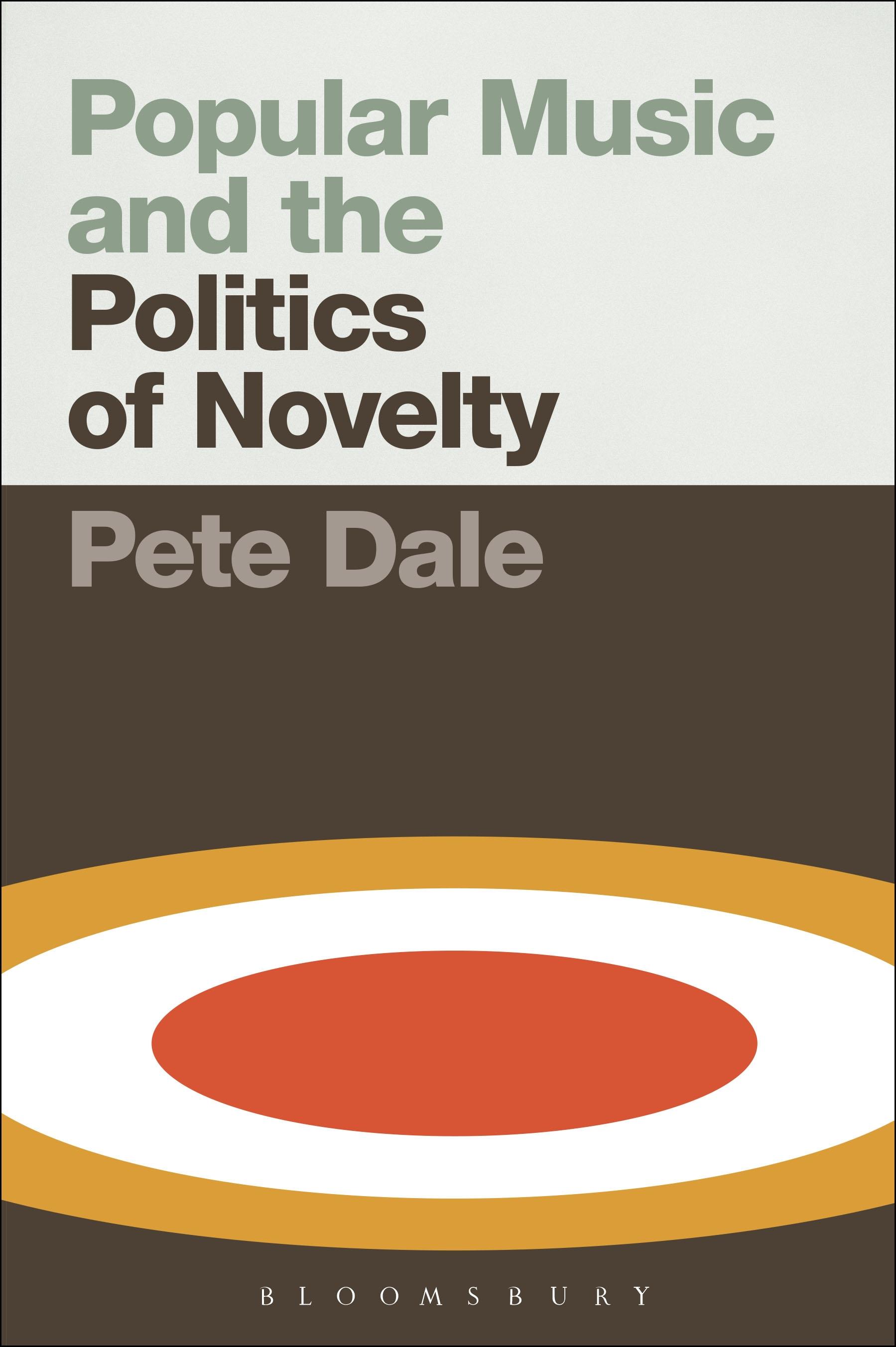
Popular music, today, has supposedly collapsed into a 'retromania' which, according to leading critic Simon Reynolds, has brought a 'slow and steady fading of the artistic imperative to be original.' Meanwhile, in the estimation of philosopher Alain Badiou, a significant political event will always require 'the dictatorial power of a creation ex nihilo'. Everywhere, it seems, at least amongst commentators of a certain age and type, pessimism prevails with regards to the predominant aesthetic preferences of the twenty first century: popular music, supposedly, is in a rut.
Yet when, if ever, did the political engagement kindled by popular music amount to more than it does today? The sixties? The punk explosion of the late 1970s? Despite an on-going fixation upon these periods in much rock journalism and academic writing, this book demonstrates that the utilisation of popular music to promote political causes, on the one hand, and the expression of dissent through the medium of 'popular song', on the other hand, remain widely in practice today.
This is not to argue, however, for complacency with regards to the need for expressions of political dissent through popular culture. Rather, the book looks carefully at actual usages of popular music in political processes, as well as expressions of political feeling through song, and argues that there is much to encourage us to think that the demand for radical change remains in circulation. The question is, though, how necessary is it for politically-motivated popular music to offer aesthetic novelty?
Yet when, if ever, did the political engagement kindled by popular music amount to more than it does today? The sixties? The punk explosion of the late 1970s? Despite an on-going fixation upon these periods in much rock journalism and academic writing, this book demonstrates that the utilisation of popular music to promote political causes, on the one hand, and the expression of dissent through the medium of 'popular song', on the other hand, remain widely in practice today.
This is not to argue, however, for complacency with regards to the need for expressions of political dissent through popular culture. Rather, the book looks carefully at actual usages of popular music in political processes, as well as expressions of political feeling through song, and argues that there is much to encourage us to think that the demand for radical change remains in circulation. The question is, though, how necessary is it for politically-motivated popular music to offer aesthetic novelty?
Pages: 224
Catégorie: Musikvetenskap
e-ISBN: 9781501307058
Poids d'expédition: 1.2 kg
Expédié sous: 1-2 jours
Payez facilement par carte, Klarna, Apple Pay ou Google Pay. Pas satisfait ? Vous avez toujours une garantie de remboursement de 14 jours. En savoir plus dans nos conditions. Si vous avez des questions, envoyez-nous un e-mail à hello@memmo.org.
Memmo facilite tes études, où que tu sois dans le monde. On rassemble tes manuels de cours et des outils d'étude intelligents au même endroit : résumés, quiz, podcasts et flashcards. Et il y a Ted, ton compagnon d'étude qui répond à toutes tes questions. Plus de 50 000 étudiants étudient déjà ici – conçu pour t'aider à apprendre plus vite et à moins stresser.