
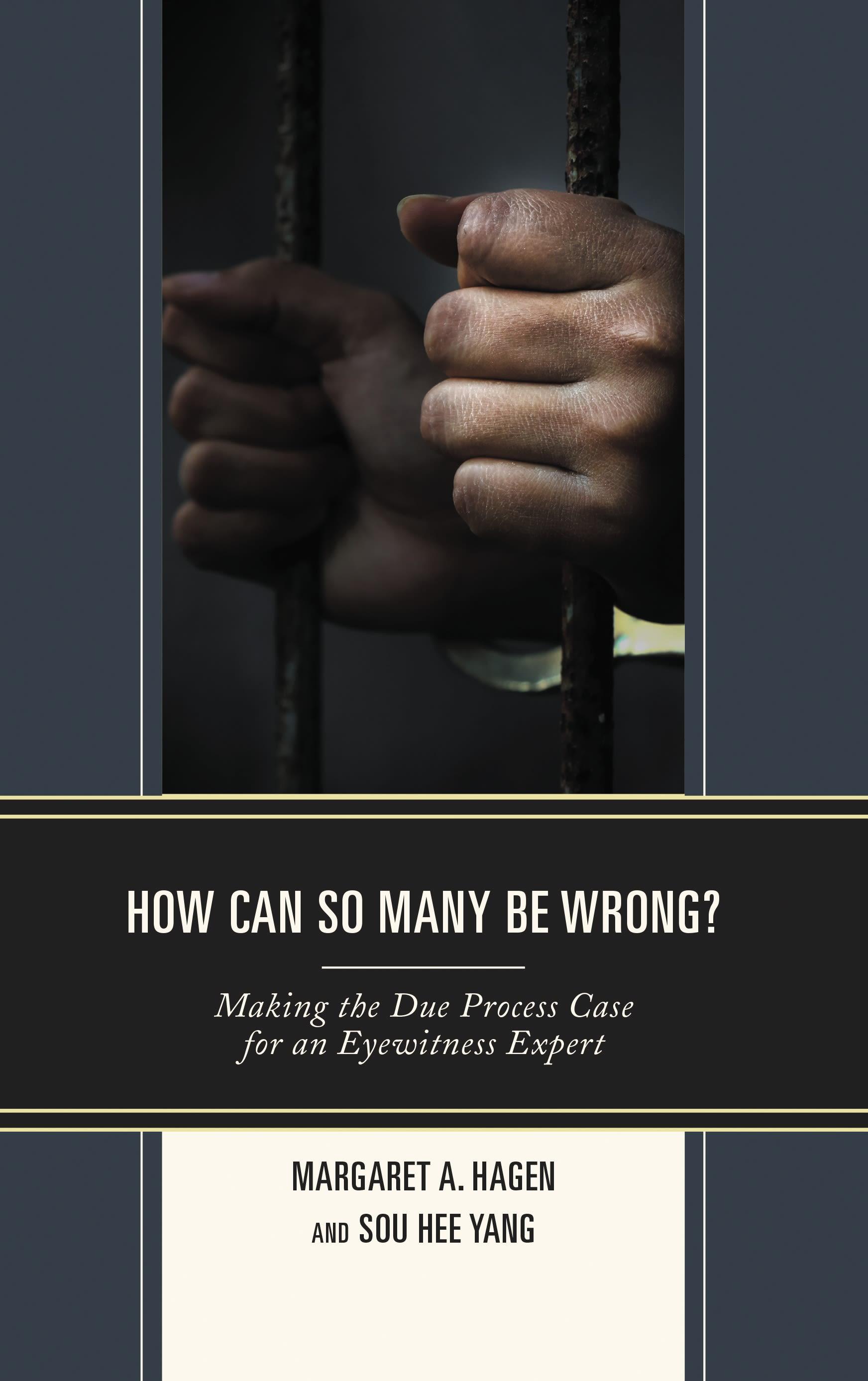
Of the 347 U.S. false criminal convictions overturned so far through DNA testing, 73 percent were based on erroneous eyewitness testimony. How could so many eyewitnesses be wrong? This book answers this question. The analysis of the U.S. Supreme Court eyewitness cases shows that most of the Court’s holdings were likely in error. The Court—like the judges and juries in the courts below—greatly overestimated the reliability of eyewitnesses against the defendants and decided their convictions based on unsound evidence. The facts of the cases and personalities of the defendants are engaging and compelling. An expert is needed to inform the judge and the jury of the circumstances to consider when weighing the testimony of the witness against the facts of the case. It is a clear violation of Due Process to deny the defendant the provision of an expert witness in all cases where the eyewitness testimony lacks corroboration. Research assessing both cross-examination and jury instructions makes it abundantly clear that neither can effectively provide courts with the counterintuitive information necessary to evaluate eyewitness reliability: denial of an expert is denial of Due Process.
Payez facilement par carte, Klarna, Apple Pay ou Google Pay. Pas satisfait ? Vous avez toujours une garantie de remboursement de 14 jours. En savoir plus dans nos conditions. Si vous avez des questions, envoyez-nous un e-mail à hello@memmo.org.
Memmo facilite tes études, où que tu sois dans le monde. On rassemble tes manuels de cours et des outils d'étude intelligents au même endroit : résumés, quiz, podcasts et flashcards. Et il y a Ted, ton compagnon d'étude qui répond à toutes tes questions. Plus de 50 000 étudiants étudient déjà ici – conçu pour t'aider à apprendre plus vite et à moins stresser.