
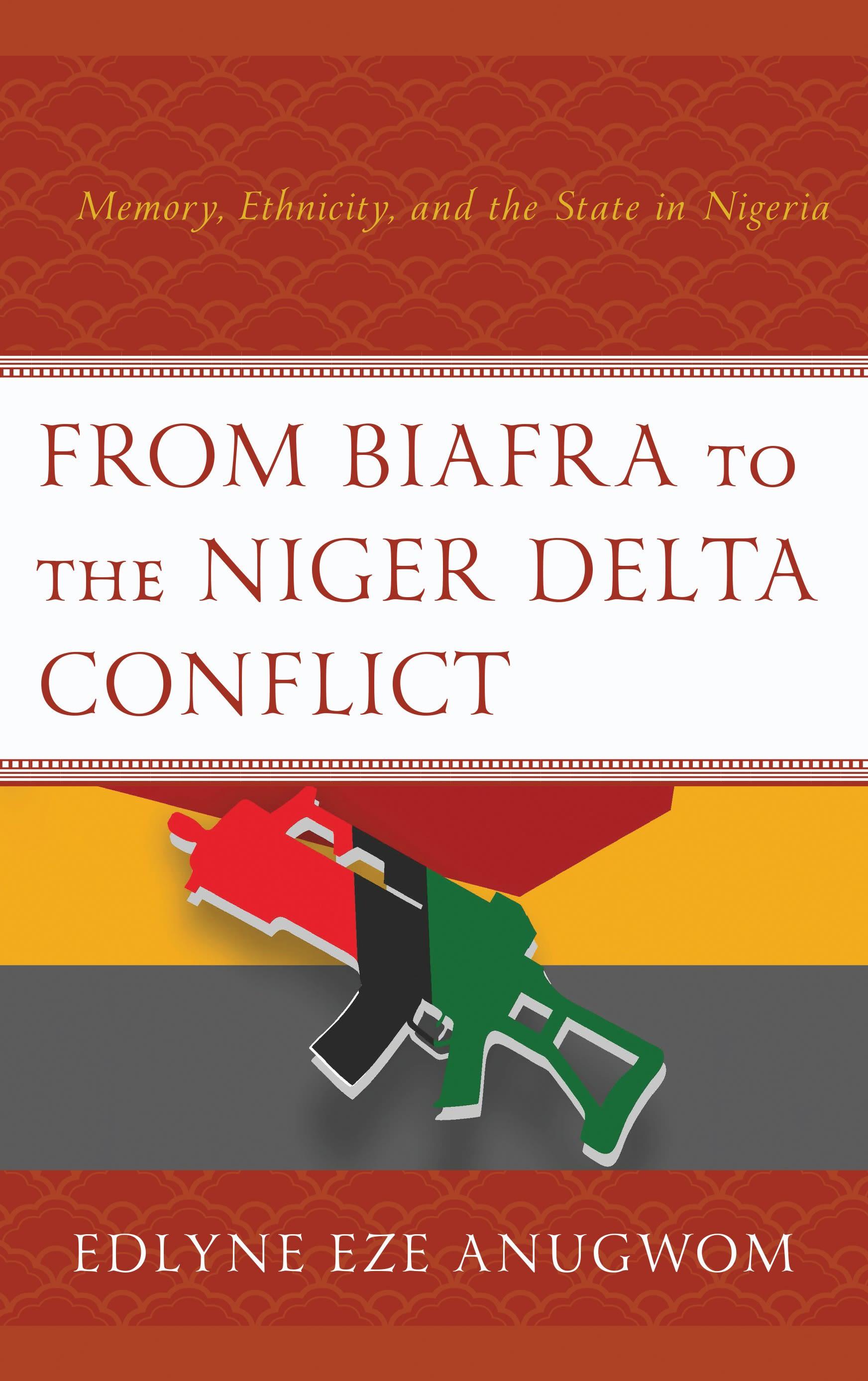
This book analyzes the influence of memory on social conflict as well as the role of ethnicity in state formation and governance in Nigeria. It examines the nexus between the Nigerian civil war and the conflict in the oil rich Niger Delta against the background of memory and ethnicization of the state. Ultimately, both social conflicts, though separated by decades, profit from shared memories in a largely ethnicized state structure. Nigeria emerges as a centrifugal state characterized by bias in resource distribution and concentration of power in the center. These forces create the perception of marginalization and sponsor enduring memory of a biased state not helped by failure of the state to ensure closure of the civil war.
The book argues that the non-systematic closure of the civil war has generated memory lapse which has given rise to social conflicts and dissension in the socio-geographical region of the erstwhile Biafra republic. These conflicts in the contemporary history of Nigeria include the persistent Niger Delta oil conflict and recurrent struggle for the realization of a sovereign state of Biafra. In effect, these conflicts are products of structural bias and distributional injustice; and both can be related to the social memory lag of the civil war and weak Nigerian state.
The book traces how memory is produced and disseminated within social groups in Southeastern Nigeria, which is the theater of both the civil war and youth-driven oil conflict in the Niger Delta. While these conflicts have without doubt benefitted from memory lapse of the past, they have equally drawn momentum from ethnicity which has significantly and negatively affected the role of the state.
The book argues that the non-systematic closure of the civil war has generated memory lapse which has given rise to social conflicts and dissension in the socio-geographical region of the erstwhile Biafra republic. These conflicts in the contemporary history of Nigeria include the persistent Niger Delta oil conflict and recurrent struggle for the realization of a sovereign state of Biafra. In effect, these conflicts are products of structural bias and distributional injustice; and both can be related to the social memory lag of the civil war and weak Nigerian state.
The book traces how memory is produced and disseminated within social groups in Southeastern Nigeria, which is the theater of both the civil war and youth-driven oil conflict in the Niger Delta. While these conflicts have without doubt benefitted from memory lapse of the past, they have equally drawn momentum from ethnicity which has significantly and negatively affected the role of the state.
Pages: 256
Catégorie: Statsvetenskap & Politik
e-ISBN: 9781498577991
Poids d'expédition: 1.2 kg
Expédié sous: 1-2 jours
Payez facilement par carte, Klarna, Apple Pay ou Google Pay. Pas satisfait ? Vous avez toujours une garantie de remboursement de 14 jours. En savoir plus dans nos conditions. Si vous avez des questions, envoyez-nous un e-mail à hello@memmo.org.
Memmo facilite tes études, où que tu sois dans le monde. On rassemble tes manuels de cours et des outils d'étude intelligents au même endroit : résumés, quiz, podcasts et flashcards. Et il y a Ted, ton compagnon d'étude qui répond à toutes tes questions. Plus de 50 000 étudiants étudient déjà ici – conçu pour t'aider à apprendre plus vite et à moins stresser.