
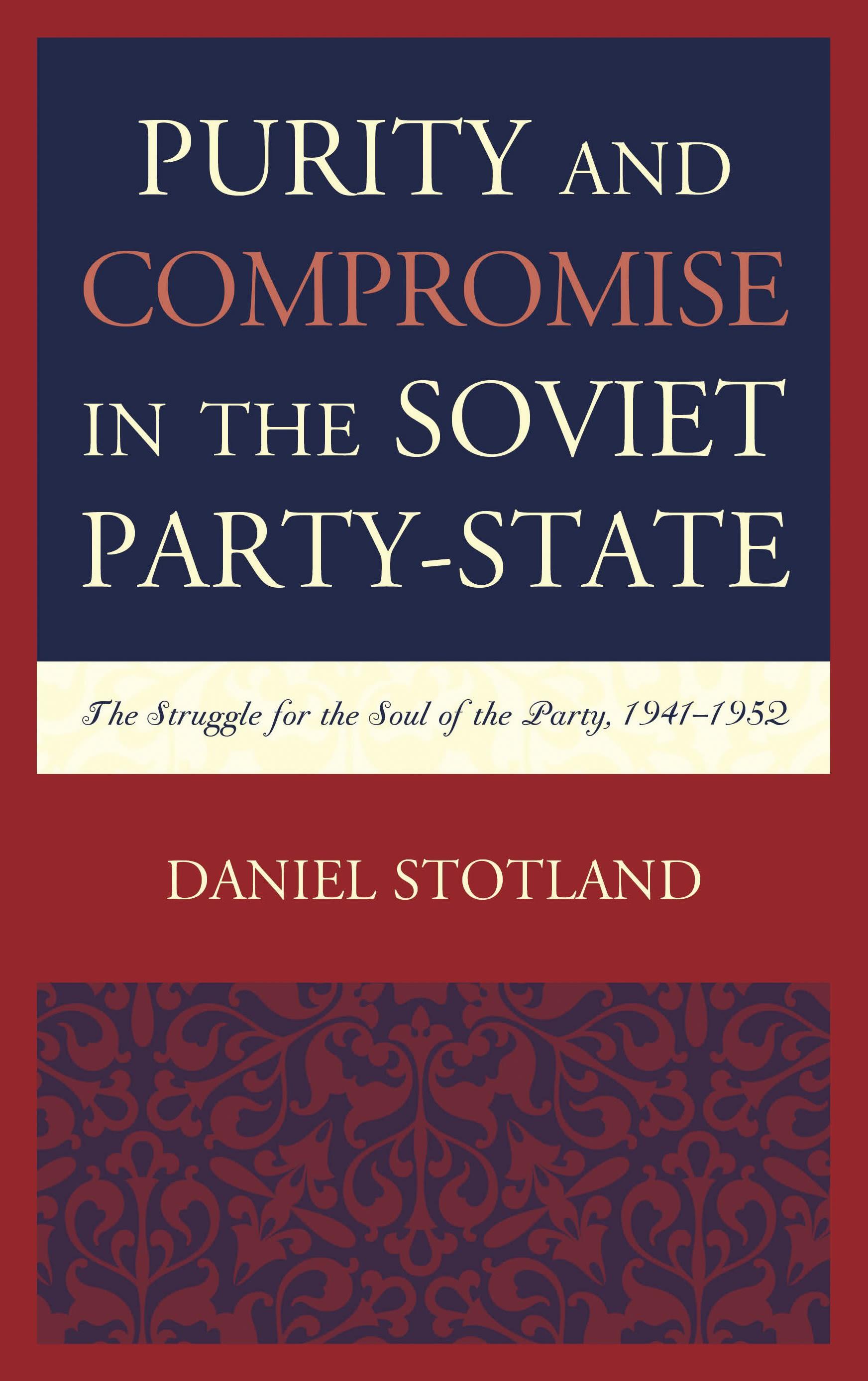
This work offers new ways of conceptualizing the decision-making paradigm of the Soviet party-state that was defined by the persistent shortage of qualified manpower that afflicted the Russian elite. The traditional Russian problems of under administration, combined with the unique features of the Soviet political system, resulted in a dichotomy between practical and ideological demands. The WWII era, examined in this book, provides a microcosm of pressures facing the Kremlin and illustrates the cyclical nature of policy formation forced on it by the paradoxes of the system.
As the party’s responsibilities expanded into specialized economic and military areas, political experts increasingly depended on the specialized professionals. These trends grew increased drastically during the war. An unexpected consequence of the party’s expansion into economic or military professions was the discovery that cooptation worked both ways and many party members become managers rather than ideological overseers. Throughout the existential crisis of the system—the war and its aftermath—the party would find itself in a fundamental conflict over its identity, challenged over its role both vis-a-vis the state and its own priorities.
After an abortive attempt to reverse the wartime trends, a new paradigm was articulated by the party during the last five years of Stalin's reign. This resulted in the emergence of a new elite consensus which envisioned the party as integral and invasive economic actor. This shift in the party’s identity was the price of maintaining centralized political power and came at the expense of the focus on ideological purity.
In the long term, however, the diminished role of ideology robbed the party of its core value system and steadily eroded its legitimizing and self-energizing power. Over time, the new consensus would undermine the very foundations of the party-state construct. Yet if the USSR was to survive as a modern, industrialized state, the accommodation with the technocrats was necessary. The contradiction between ideological and pragmatic aims was inherent to the system, and demanded an eventual choice between the long-term health of the state and that of the party.
As the party’s responsibilities expanded into specialized economic and military areas, political experts increasingly depended on the specialized professionals. These trends grew increased drastically during the war. An unexpected consequence of the party’s expansion into economic or military professions was the discovery that cooptation worked both ways and many party members become managers rather than ideological overseers. Throughout the existential crisis of the system—the war and its aftermath—the party would find itself in a fundamental conflict over its identity, challenged over its role both vis-a-vis the state and its own priorities.
After an abortive attempt to reverse the wartime trends, a new paradigm was articulated by the party during the last five years of Stalin's reign. This resulted in the emergence of a new elite consensus which envisioned the party as integral and invasive economic actor. This shift in the party’s identity was the price of maintaining centralized political power and came at the expense of the focus on ideological purity.
In the long term, however, the diminished role of ideology robbed the party of its core value system and steadily eroded its legitimizing and self-energizing power. Over time, the new consensus would undermine the very foundations of the party-state construct. Yet if the USSR was to survive as a modern, industrialized state, the accommodation with the technocrats was necessary. The contradiction between ideological and pragmatic aims was inherent to the system, and demanded an eventual choice between the long-term health of the state and that of the party.
Payez facilement par carte, Klarna, Apple Pay ou Google Pay. Pas satisfait ? Vous avez toujours une garantie de remboursement de 14 jours. En savoir plus dans nos conditions. Si vous avez des questions, envoyez-nous un e-mail à hello@memmo.org.
Memmo facilite tes études, où que tu sois dans le monde. On rassemble tes manuels de cours et des outils d'étude intelligents au même endroit : résumés, quiz, podcasts et flashcards. Et il y a Ted, ton compagnon d'étude qui répond à toutes tes questions. Plus de 50 000 étudiants étudient déjà ici – conçu pour t'aider à apprendre plus vite et à moins stresser.