
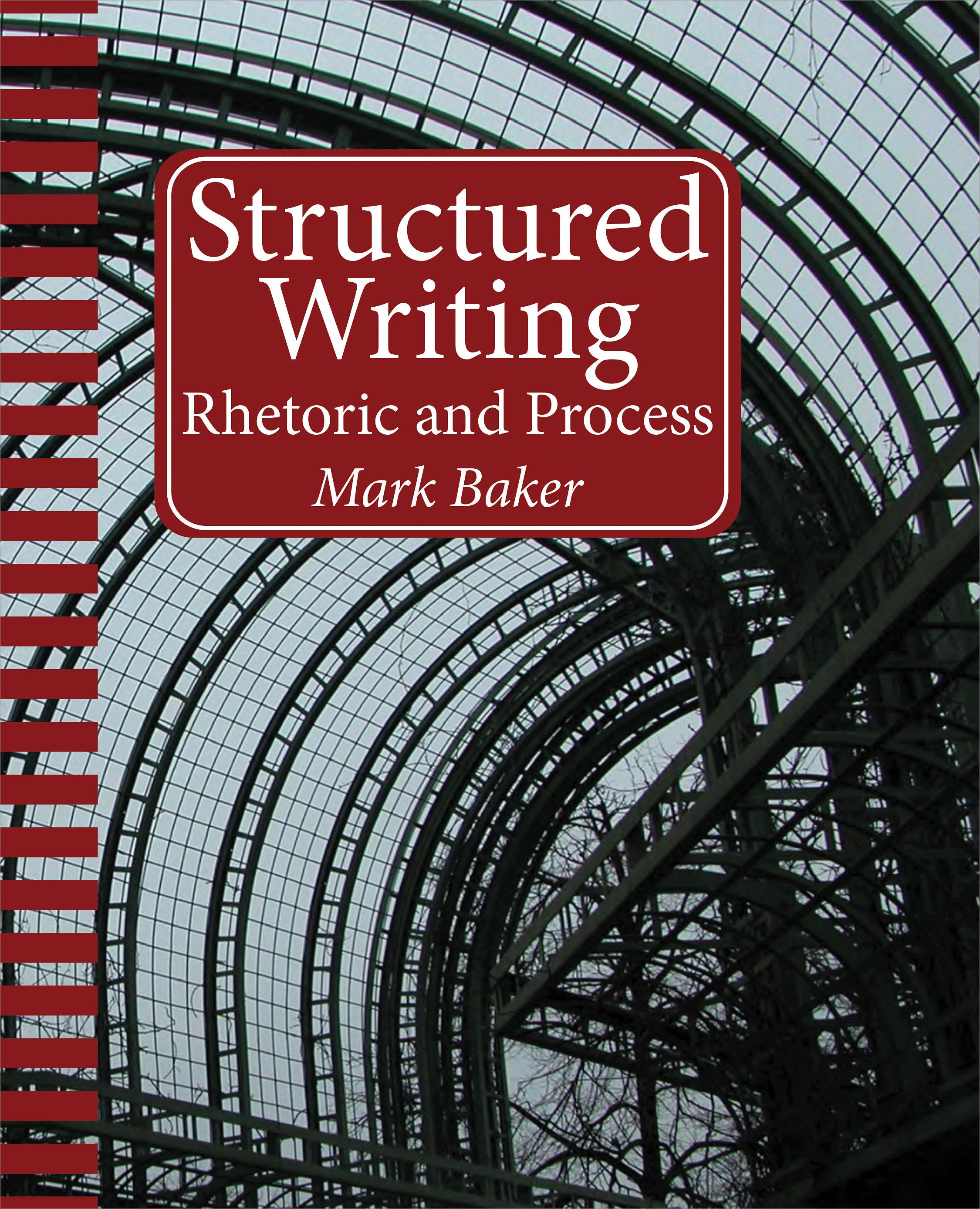
Structured writing has never been more important or more confusing. We keep trying to do more and more with content, but we give ourselves less and less time to do it. Structured content can help keep your rhetoric on track and your processes efficient. But how does it do that and what is the relationship between rhetoric and process? It is easy to get lost in sea of acronyms and buzz words: semantics, XML, metadata, DITA, structure, DocBook, hypertext, Markdown, topics, XSLT, reuse, LaTeX, silos, HTML. Structured Writing cuts through the noise, explaining what structured writing is (you have been doing it all along) and how you can use different structures to achieve different purposes. It focuses on how you can partition and manage the complexity of the content creation process using structured writing techniques to ensure that everything is handled by the person or process with the skills, time, and resources to handle it effectively. Most importantly, this book shows you how the right structured writing techniques can improve the quality of your content and, at the same time, make your content processes more efficient without sacrificing quality for efficiency or vice versa. There are so many options available in the structured writing space today. This book will show you where each of them fits and help you choose the approach that is optimal for your content.
Payez facilement par carte, Klarna, Apple Pay ou Google Pay. Pas satisfait ? Vous avez toujours une garantie de remboursement de 14 jours. En savoir plus dans nos conditions. Si vous avez des questions, envoyez-nous un e-mail à hello@memmo.org.
Memmo facilite tes études, où que tu sois dans le monde. On rassemble tes manuels de cours et des outils d'étude intelligents au même endroit : résumés, quiz, podcasts et flashcards. Et il y a Ted, ton compagnon d'étude qui répond à toutes tes questions. Plus de 50 000 étudiants étudient déjà ici – conçu pour t'aider à apprendre plus vite et à moins stresser.