
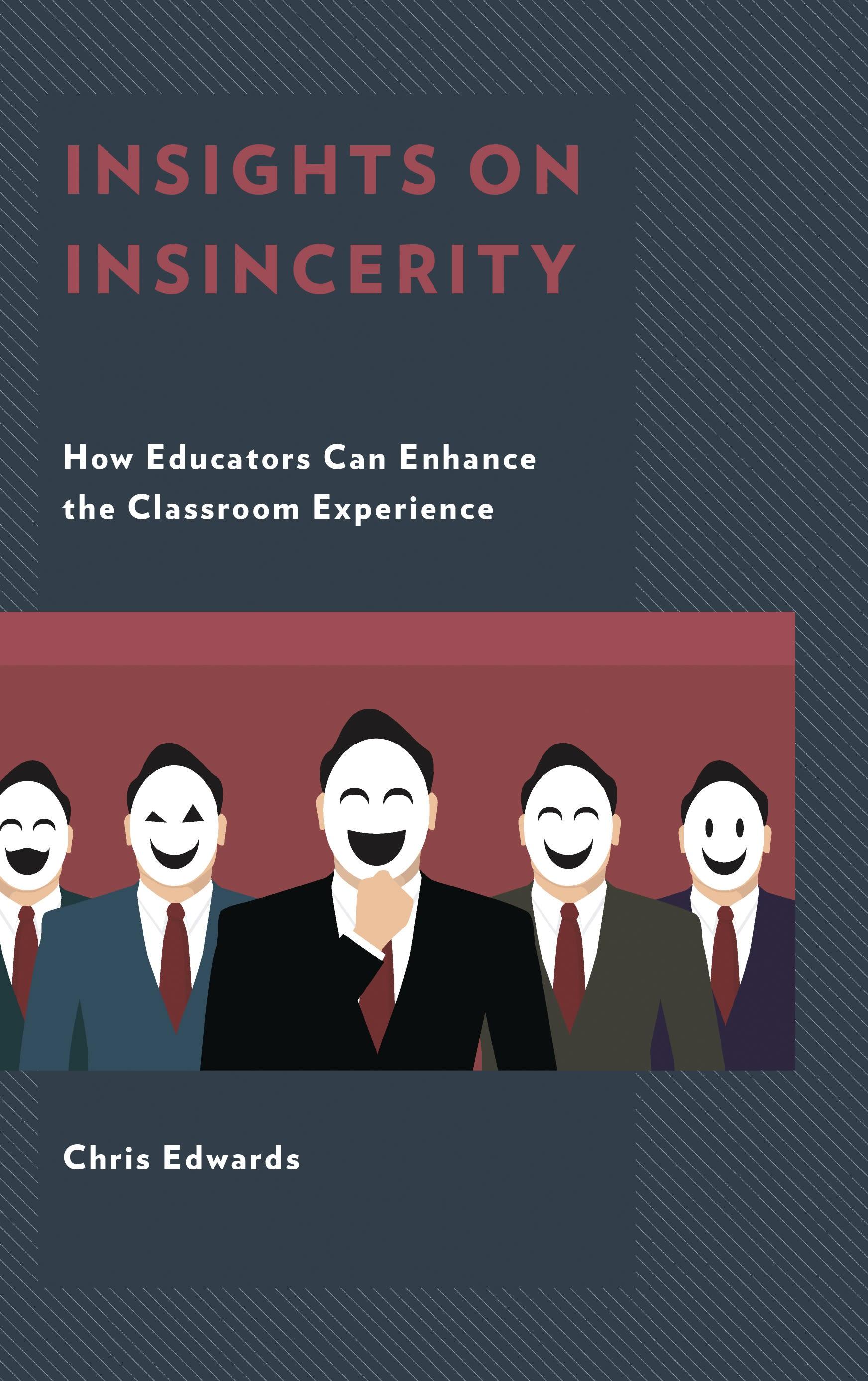
Erasmus praised folly and the Romantics waxed poetically about love, but no one until now has traced the history and impact of insincerity on society and the humanities. Insincerity arises when someone feels one way but acts another and an insincere situation looks to have one purpose but really hides another. Insincerity finds expression in four types of relationships: 1. From authority to the subordinate, 2. From the subordinate to authority, 3. Between equals 4. In society and in the self. Educators can discover how highlight insincerity in literature, history, psychology, sociology, politics, and popular culture. All readers can learn how to identify insincerity in their everyday relationships. Was that meeting at work really about conveying information and soliciting responses, or was it really about reinforcing the corporate hierarchy? When Galileo apologized to the Inquisition for positing a “solar” system, did he bring an end to an era of great religious sincerity? What did George Orwell get so wrong about insincerity in 1984? Most importantly, readers can find out what they should do when they you encounter that modern phrase that manifests insincerity: Thanks so much for your feedback.
Pages: 128
Catégorie: Psykologi
e-ISBN: 9781475841732
Poids d'expédition: 1.2 kg
Expédié sous: 1-2 jours
Payez facilement par carte, Klarna, Apple Pay ou Google Pay. Pas satisfait ? Vous avez toujours une garantie de remboursement de 14 jours. En savoir plus dans nos conditions. Si vous avez des questions, envoyez-nous un e-mail à hello@memmo.org.
Memmo facilite tes études, où que tu sois dans le monde. On rassemble tes manuels de cours et des outils d'étude intelligents au même endroit : résumés, quiz, podcasts et flashcards. Et il y a Ted, ton compagnon d'étude qui répond à toutes tes questions. Plus de 50 000 étudiants étudient déjà ici – conçu pour t'aider à apprendre plus vite et à moins stresser.