
“Teaching” and “learning” are two interrelated terms used to express our thinking about a major aspect of human development. However, didactics developed into an art, the “art” of teaching, while the processes of learning were neglected and not researched. Nowadays, many people perceive “learning” as an undesirable activity. The experience of learning is thought of as something expected of them from the outside and it is often remembered as stressful, a pressure to perform, a fear of failure, and alienation. But there are also some enriching experiences such as the joy of discovery, to ultimately achieve after many attempts something that you could not do previously, or to see a situation in a new light.
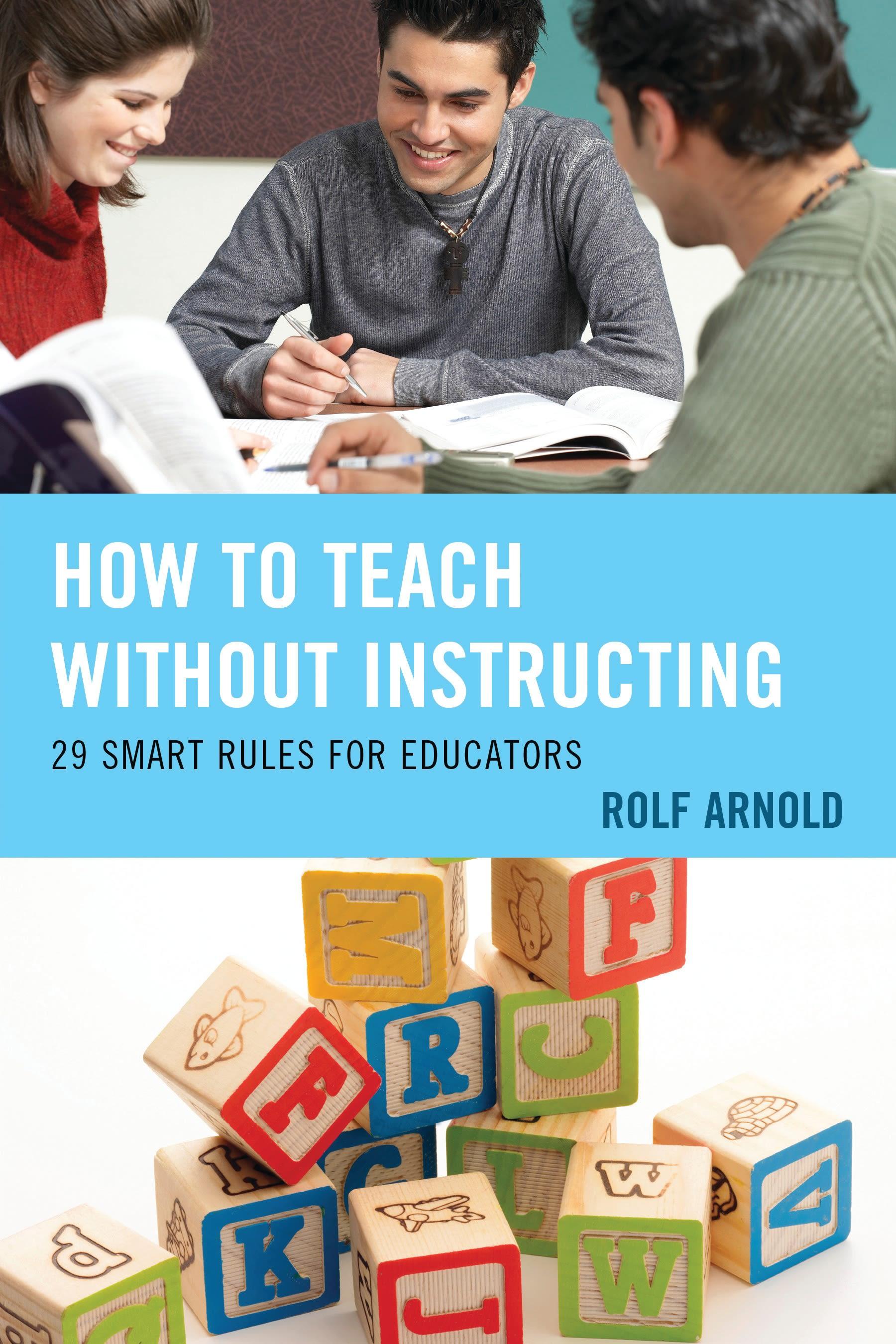
How to Teach Without Instructing relinks teaching and learning. It examines the teaching practices in institutions of learning and formulates “rules” that assist teachers in their efforts to focus their teaching on the learner. The rules are based on situations that are routinely encountered in the teaching environment.
How to Teach Without Instructing relinks teaching and learning. It examines the teaching practices in institutions of learning and formulates “rules” that assist teachers in their efforts to focus their teaching on the learner. The rules are based on situations that are routinely encountered in the teaching environment.
Payez facilement par carte, Klarna, Apple Pay ou Google Pay. Pas satisfait ? Vous avez toujours une garantie de remboursement de 14 jours. En savoir plus dans nos conditions. Si vous avez des questions, envoyez-nous un e-mail à hello@memmo.org.
Memmo facilite tes études, où que tu sois dans le monde. On rassemble tes manuels de cours et des outils d'étude intelligents au même endroit : résumés, quiz, podcasts et flashcards. Et il y a Ted, ton compagnon d'étude qui répond à toutes tes questions. Plus de 50 000 étudiants étudient déjà ici – conçu pour t'aider à apprendre plus vite et à moins stresser.