
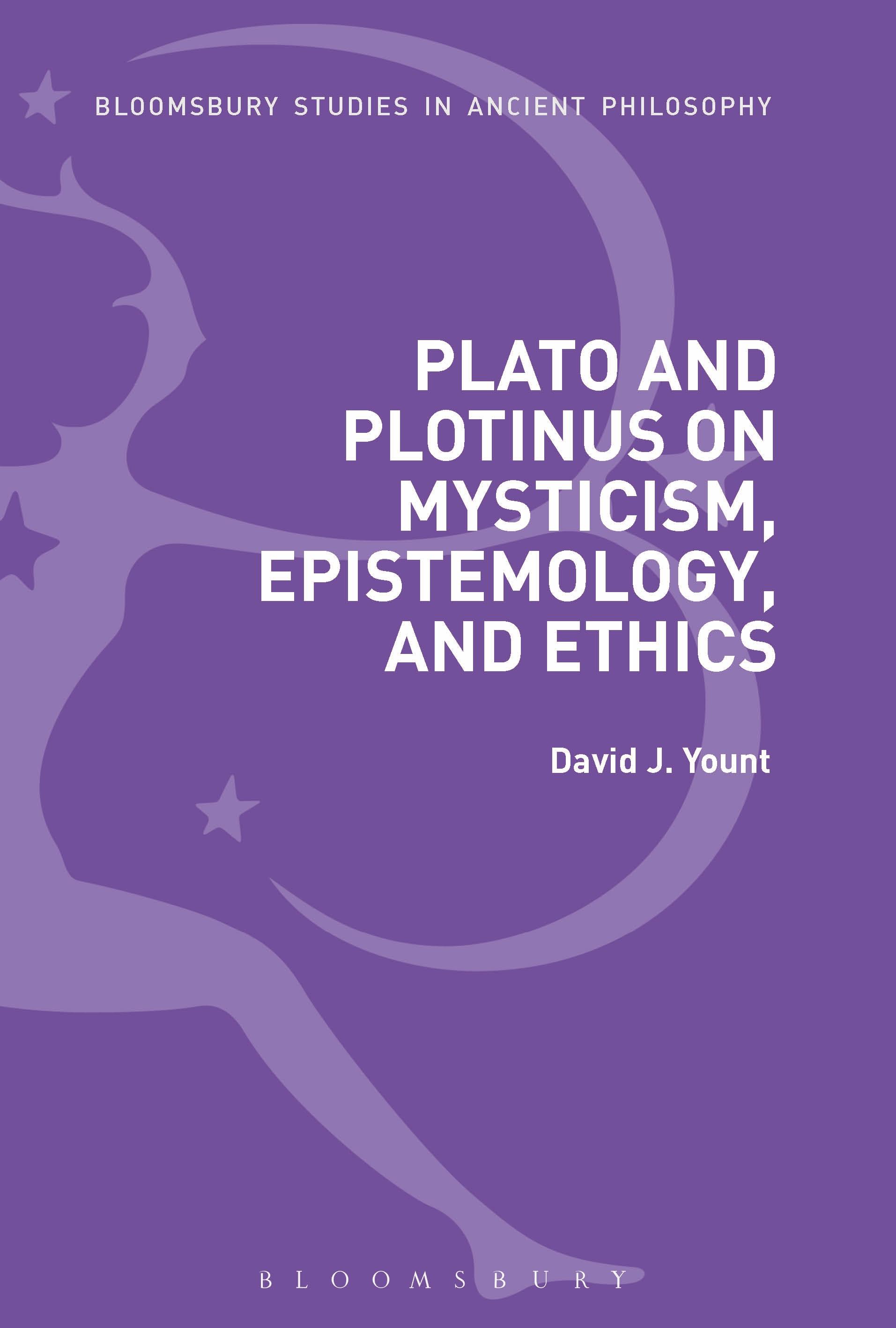
This book argues against the common view that there are no essential differences between Plato and the Neoplatonist philosopher, Plotinus, on the issues of mysticism, epistemology, and ethics. Beginning by examining the ways in which Plato and Plotinus claim that it is possible to have an ultimate experience that answers the most significant philosophical questions, David J. Yount provides an extended analysis of why we should interpret both philosophers as mystics. The book then moves on to demonstrate that both philosophers share a belief in non-discursive knowledge and the methods to attain it, including dialectic and recollection, and shows that they do not essentially differ on any significant views on ethics.
Making extensive use of primary and secondary sources, Plato and Plotinus on Mysticism, Epistemology and Ethics shows the similarities between the thought of these two philosophers on a variety of philosophical questions, such as meditation, divination, wisdom, knowledge, truth, happiness and love.
Making extensive use of primary and secondary sources, Plato and Plotinus on Mysticism, Epistemology and Ethics shows the similarities between the thought of these two philosophers on a variety of philosophical questions, such as meditation, divination, wisdom, knowledge, truth, happiness and love.
Payez facilement par carte, Klarna, Apple Pay ou Google Pay. Pas satisfait ? Vous avez toujours une garantie de remboursement de 14 jours. En savoir plus dans nos conditions. Si vous avez des questions, envoyez-nous un e-mail à hello@memmo.org.
Memmo facilite tes études, où que tu sois dans le monde. On rassemble tes manuels de cours et des outils d'étude intelligents au même endroit : résumés, quiz, podcasts et flashcards. Et il y a Ted, ton compagnon d'étude qui répond à toutes tes questions. Plus de 50 000 étudiants étudient déjà ici – conçu pour t'aider à apprendre plus vite et à moins stresser.