
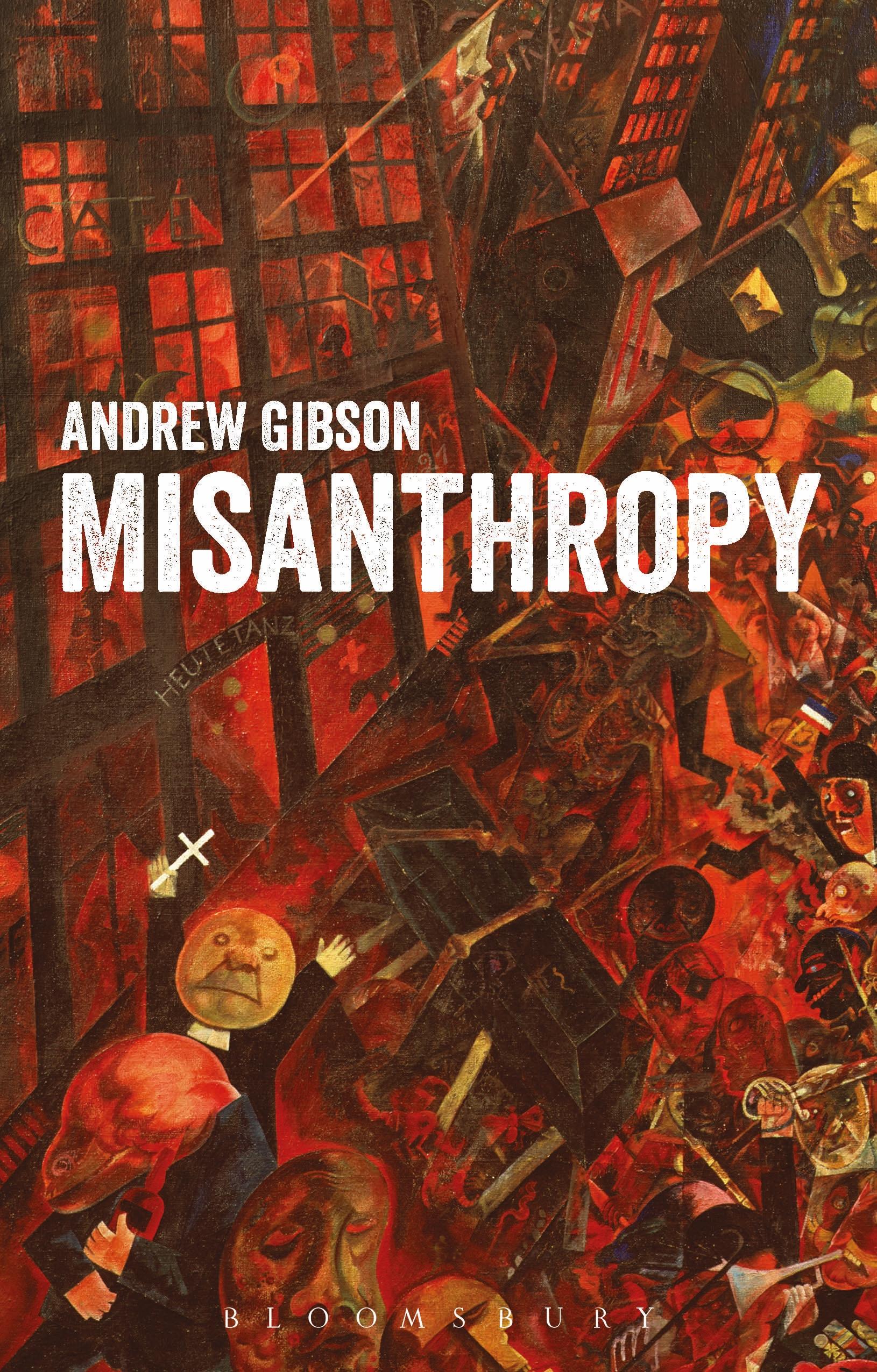
This book is the first major study of the theme of misanthropy, its history, arguments both for and against it, and its significance for us today. Misanthropy is not strictly a philosophy. It is an inconsistent thought, and so has often been mocked. But from Timon of Athens to Motörhead it has had a very long life, vast historical purchase and is seemingly indomitable and unignorable. Human beings have always nursed a profound distrust of who and what they are. This book does not seek to rationalize that distrust, but asks how far misanthropy might have a reason on its side, if a confused reason.
There are obvious arguments against misanthropy. It is often born of a hatred of physical being. It can be historically explained. It particularly appears in undemocratic cultures. But what of the misanthropy of terminally defeated and disempowered peoples? Or born of progressivisms? Or the misanthropy that quarrels with specious or easy positivities (from Pelagius to Leibniz to the corporate cheer of contemporary `total capital`)? From the Greek Cynics to Roman satire, St Augustine to Jacobean drama, the misanthropy of the French Ancien Regime to Swift, Smollett and Johnson, Hobbes, Schopenhauer and Rousseau, from the Irish and American misanthropic traditions to modern women`s misanthropy, the book explores such questions. It ends with a debate about contemporary culture that ranges from the `dark radicalisms`, queer misanthropy, posthumanism and eco-misanthropy to Houellebecq, punk rock and gangsta rap.
There are obvious arguments against misanthropy. It is often born of a hatred of physical being. It can be historically explained. It particularly appears in undemocratic cultures. But what of the misanthropy of terminally defeated and disempowered peoples? Or born of progressivisms? Or the misanthropy that quarrels with specious or easy positivities (from Pelagius to Leibniz to the corporate cheer of contemporary `total capital`)? From the Greek Cynics to Roman satire, St Augustine to Jacobean drama, the misanthropy of the French Ancien Regime to Swift, Smollett and Johnson, Hobbes, Schopenhauer and Rousseau, from the Irish and American misanthropic traditions to modern women`s misanthropy, the book explores such questions. It ends with a debate about contemporary culture that ranges from the `dark radicalisms`, queer misanthropy, posthumanism and eco-misanthropy to Houellebecq, punk rock and gangsta rap.
Payez facilement par carte, Klarna, Apple Pay ou Google Pay. Pas satisfait ? Vous avez toujours une garantie de remboursement de 14 jours. En savoir plus dans nos conditions. Si vous avez des questions, envoyez-nous un e-mail à hello@memmo.org.
Memmo facilite tes études, où que tu sois dans le monde. On rassemble tes manuels de cours et des outils d'étude intelligents au même endroit : résumés, quiz, podcasts et flashcards. Et il y a Ted, ton compagnon d'étude qui répond à toutes tes questions. Plus de 50 000 étudiants étudient déjà ici – conçu pour t'aider à apprendre plus vite et à moins stresser.