
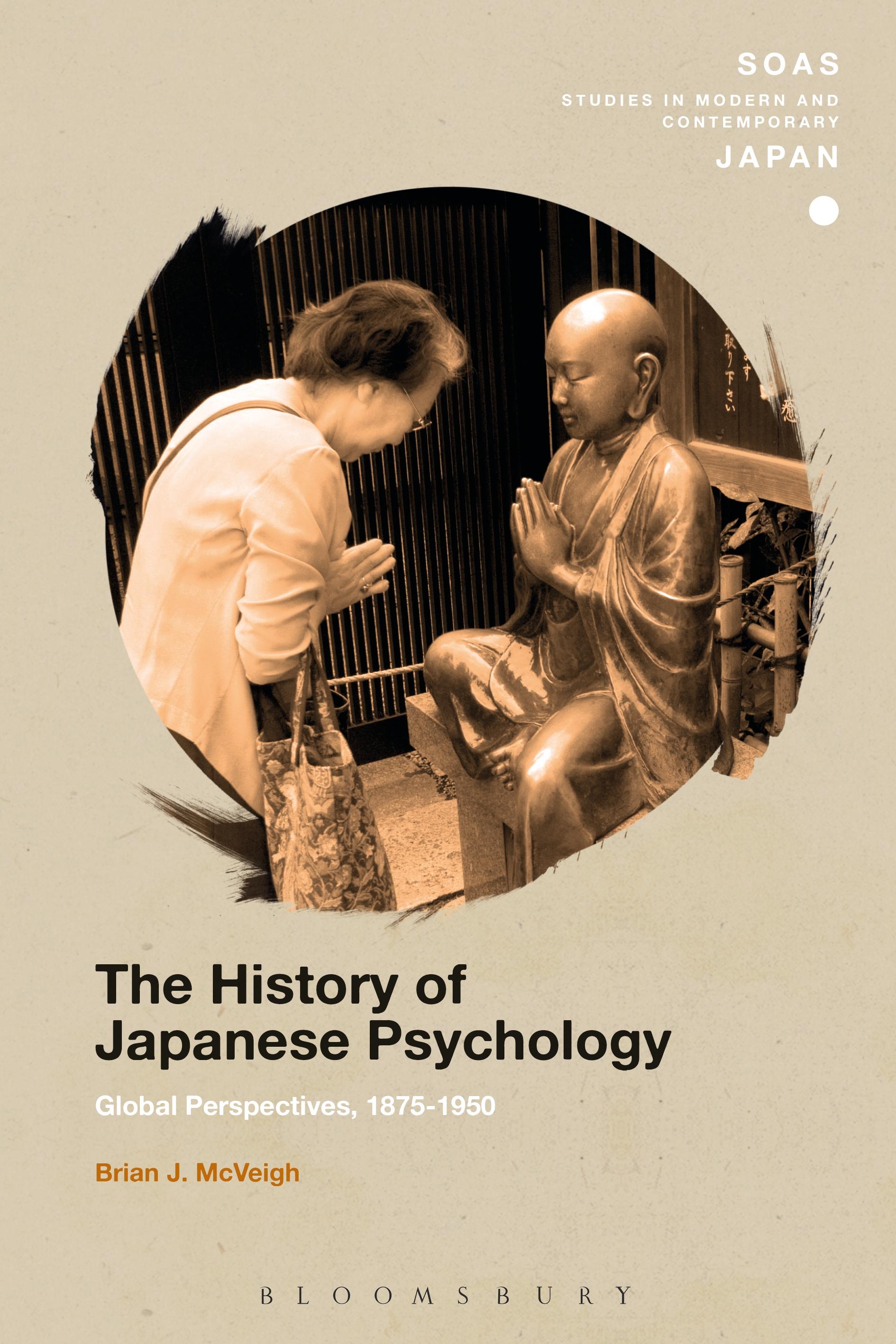
Through a focus on the contributions of pioneers such as Motora Yujiro (1858–1912) and Matsumoto Matataro (1865–1943), this book explores the origins of Japanese psychology, charting cross-cultural connections, commonalities, and the transition from religious–moralistic to secular–scientific definitions of human nature.
Emerging at the intersection of philosophy, pedagogy, physiology, and physics, psychology in the late 19th and early 20th centuries confronted the pressures of industrialization and became allied with attempts to integrate individual subjectivities into larger institutions and organizations. Such social management was accomplished through Japan's establishment of a schooling system that incorporated psychological research, making educational practices both products of and the driving force behind changing notions of selfhood. In response to new forms of labor and loyalty, applied psychology led to or became implicated in personality tests, personnel selection, therapy, counseling, military science, colonial policies, and “national spirit.” The birth of Japanese psychology, however, was more than a mere adaptation to the challenges of modernity: it heralded a transformation of the very mental processes it claimed to be exploring.
With detailed appendices, tables and charts to provide readers with a meticulous and thorough exploration of the subject and adopting a truly comparative perspective, The History of Japanese Psychology is a unique study that will be valuable to students and scholars of Japanese intellectual history and the history of psychology.
Emerging at the intersection of philosophy, pedagogy, physiology, and physics, psychology in the late 19th and early 20th centuries confronted the pressures of industrialization and became allied with attempts to integrate individual subjectivities into larger institutions and organizations. Such social management was accomplished through Japan's establishment of a schooling system that incorporated psychological research, making educational practices both products of and the driving force behind changing notions of selfhood. In response to new forms of labor and loyalty, applied psychology led to or became implicated in personality tests, personnel selection, therapy, counseling, military science, colonial policies, and “national spirit.” The birth of Japanese psychology, however, was more than a mere adaptation to the challenges of modernity: it heralded a transformation of the very mental processes it claimed to be exploring.
With detailed appendices, tables and charts to provide readers with a meticulous and thorough exploration of the subject and adopting a truly comparative perspective, The History of Japanese Psychology is a unique study that will be valuable to students and scholars of Japanese intellectual history and the history of psychology.
Pages: 336
Catégorie: Psykologi
e-ISBN: 9781474283090
Poids d'expédition: 1.2 kg
Expédié sous: 1-2 jours
Payez facilement par carte, Klarna, Apple Pay ou Google Pay. Pas satisfait ? Vous avez toujours une garantie de remboursement de 14 jours. En savoir plus dans nos conditions. Si vous avez des questions, envoyez-nous un e-mail à hello@memmo.org.
Memmo facilite tes études, où que tu sois dans le monde. On rassemble tes manuels de cours et des outils d'étude intelligents au même endroit : résumés, quiz, podcasts et flashcards. Et il y a Ted, ton compagnon d'étude qui répond à toutes tes questions. Plus de 50 000 étudiants étudient déjà ici – conçu pour t'aider à apprendre plus vite et à moins stresser.