
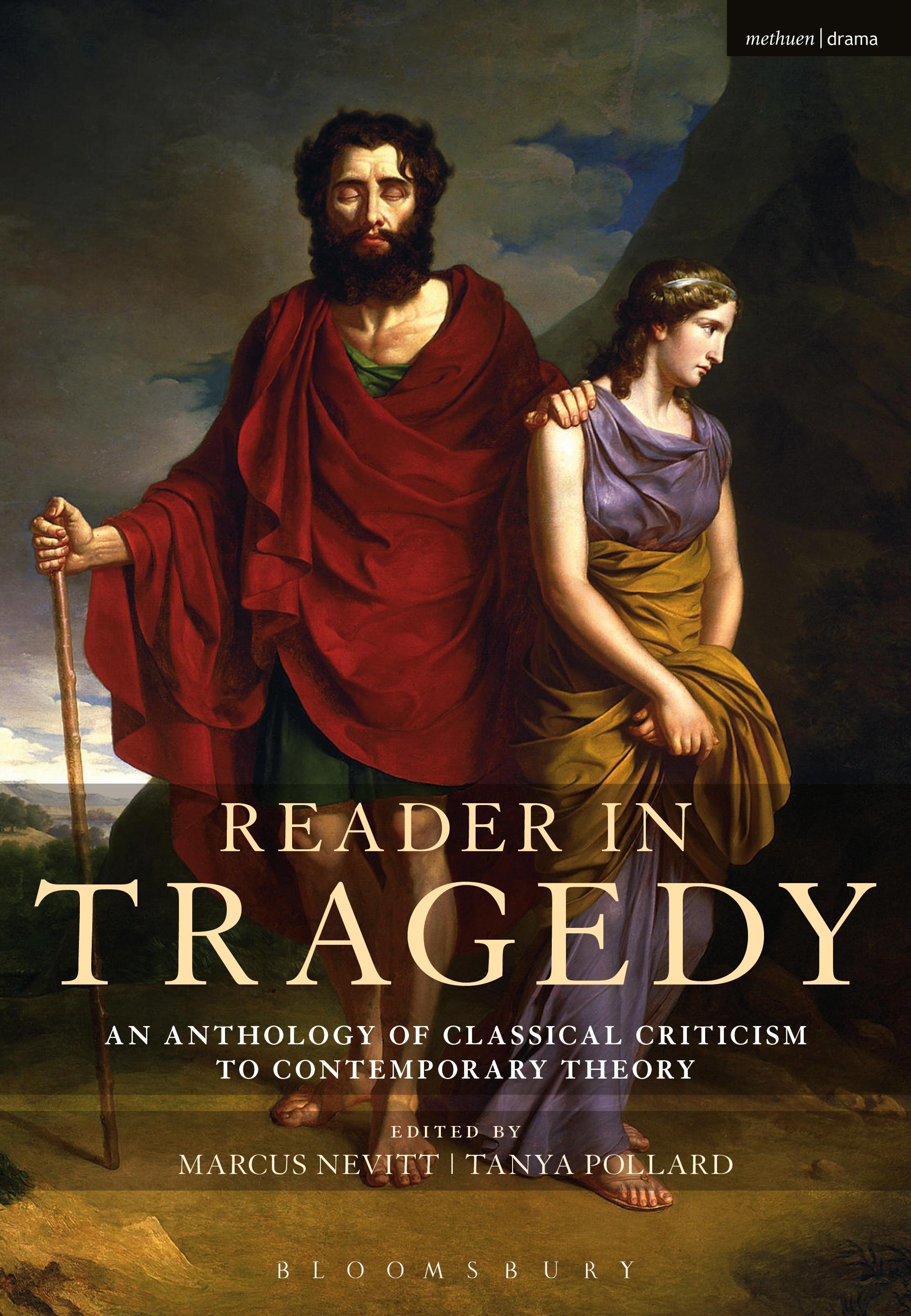
This unique anthology presents the important historical essays on tragedy, ranging from antiquity to the present, divided into historical periods and arranged chronologically. Across its span, it traces the development of theories and philosophies of tragedy, enabling readers to consider the ways in which different varieties of environmentalist, feminist, leftist and postcolonial thought have transformed the status of tragedy, and the idea of the tragic, for recent generations of artists, critics and thinkers. Students of literature and theatre will find this collection an invaluable and accessible guide to writing from Plato and Aristotle through to Freud, Nietzsche, Schopenhauer and 21st century theorists.
Ideas of tragedy and the tragic have been central to the understanding of culture for the past two millennia. Writers and thinkers from Plato through to Martha Nussbaum have analyzed the genre of tragedy to probe the most fundamental of questions about ethics, pleasure and responsibility in the world. Does tragedy demand that we enjoy witnessing the pain of others? Does it suggest that suffering is inevitable? Is human sexuality tragic? Is tragedy even possible in a world of rolling news on a digitally connected planet, where atrocity and trauma from around the globe are matters of daily information? In order to illustrate the different ways that writers have approached the answers to such questions, this Reader collects together a comprehensive selection of canonical writings on tragedy from antiquity to the present day arranged in six sections, each featuring an introduction providing concise and informed historical and theoretical frameworks for the texts.
Ideas of tragedy and the tragic have been central to the understanding of culture for the past two millennia. Writers and thinkers from Plato through to Martha Nussbaum have analyzed the genre of tragedy to probe the most fundamental of questions about ethics, pleasure and responsibility in the world. Does tragedy demand that we enjoy witnessing the pain of others? Does it suggest that suffering is inevitable? Is human sexuality tragic? Is tragedy even possible in a world of rolling news on a digitally connected planet, where atrocity and trauma from around the globe are matters of daily information? In order to illustrate the different ways that writers have approached the answers to such questions, this Reader collects together a comprehensive selection of canonical writings on tragedy from antiquity to the present day arranged in six sections, each featuring an introduction providing concise and informed historical and theoretical frameworks for the texts.
Pages: 360
Catégorie: Drama, Teater & Scenkonst
e-ISBN: 9781474270441
Poids d'expédition: 1.2 kg
Expédié sous: 1-2 jours
Payez facilement par carte, Klarna, Apple Pay ou Google Pay. Pas satisfait ? Vous avez toujours une garantie de remboursement de 14 jours. En savoir plus dans nos conditions. Si vous avez des questions, envoyez-nous un e-mail à hello@memmo.org.
Memmo facilite tes études, où que tu sois dans le monde. On rassemble tes manuels de cours et des outils d'étude intelligents au même endroit : résumés, quiz, podcasts et flashcards. Et il y a Ted, ton compagnon d'étude qui répond à toutes tes questions. Plus de 50 000 étudiants étudient déjà ici – conçu pour t'aider à apprendre plus vite et à moins stresser.