
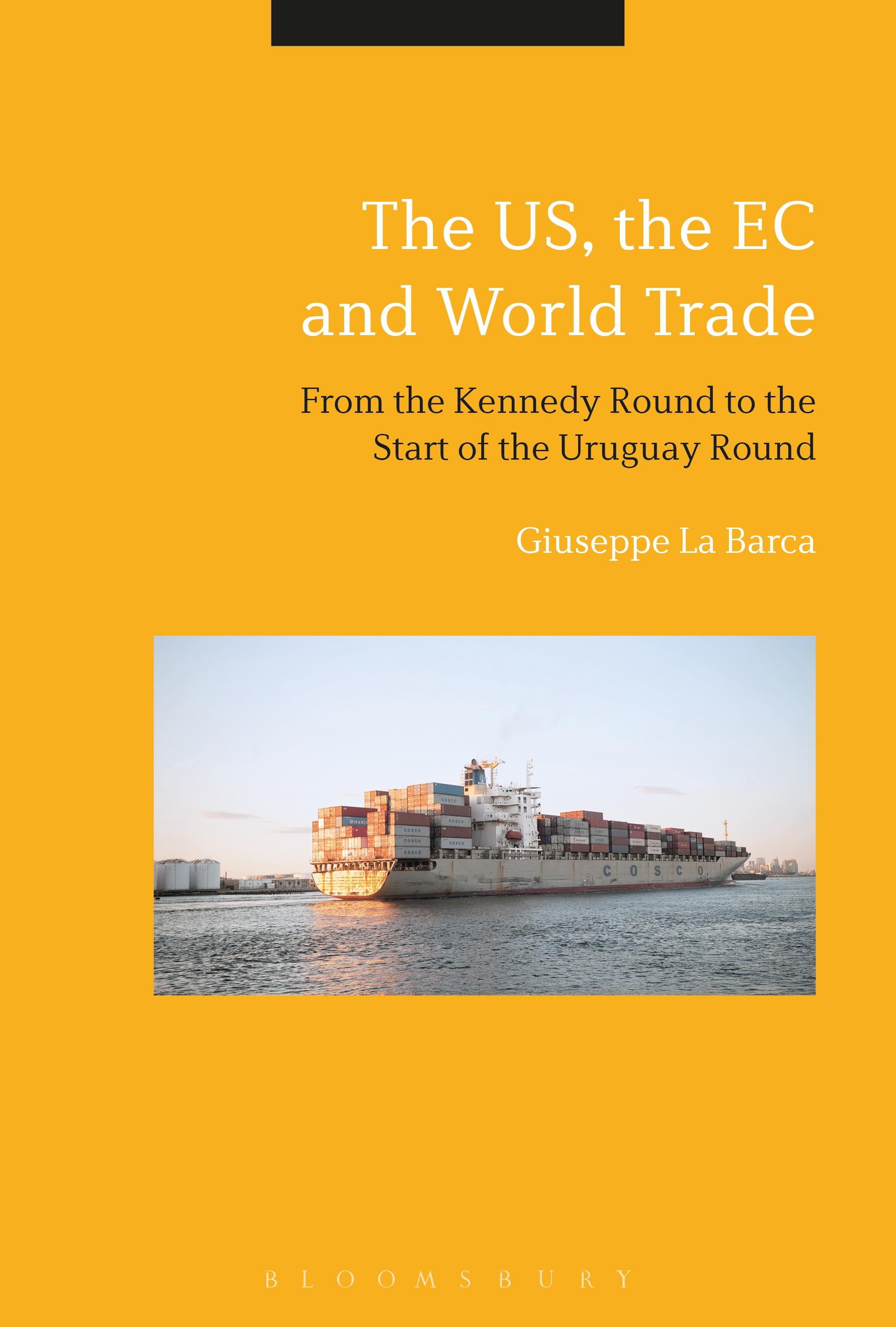
The period between the close of the Kennedy Round and the opening of the Uruguay Round replaced a decade of fast growth in world output and trade - and of prevailing harmony in trade relations across the Atlantic - with twenty years of currency and trade turmoil and strains between the US and the EC. Giuseppe La Barca provides a comprehensive account of these trade developments and the measures adopted by the US and the EC to cope with them; in doing so, he draws a wider picture of international trade policy-making during the period.
The aftermath of the Kennedy Round witnessed the undoing of the Bretton Woods regime, but the consequent overheating of the world economy resulted in an acceleration of international trade while settlement in the currency area contributed to the launching of the Tokyo Round negotiations. The first oil shock heralded an unprecedented slump along with a jump in unemployment and inflation rates. The Tokyo Round resulted only in a first step in eliminating non-tariff barriers, leaving contentious issues between the two transatlantic trading partners unsettled. The second oil shock led to growing calls for protectionism and unilateralism particularly in the US, and the Reagan administration pressed for the launch of the Uruguay Round only partially supported by the EC.
Providing an in-depth analysis of trade developments involving the two most important economic actors, and placing these developments in a multilateral, international context, this book offers new insights to scholars of economic history and international political economy.
The aftermath of the Kennedy Round witnessed the undoing of the Bretton Woods regime, but the consequent overheating of the world economy resulted in an acceleration of international trade while settlement in the currency area contributed to the launching of the Tokyo Round negotiations. The first oil shock heralded an unprecedented slump along with a jump in unemployment and inflation rates. The Tokyo Round resulted only in a first step in eliminating non-tariff barriers, leaving contentious issues between the two transatlantic trading partners unsettled. The second oil shock led to growing calls for protectionism and unilateralism particularly in the US, and the Reagan administration pressed for the launch of the Uruguay Round only partially supported by the EC.
Providing an in-depth analysis of trade developments involving the two most important economic actors, and placing these developments in a multilateral, international context, this book offers new insights to scholars of economic history and international political economy.
Pages: 296
Catégorie: Ekonomi & Utveckling
e-ISBN: 9781474257855
Poids d'expédition: 1.2 kg
Expédié sous: 1-2 jours
Payez facilement par carte, Klarna, Apple Pay ou Google Pay. Pas satisfait ? Vous avez toujours une garantie de remboursement de 14 jours. En savoir plus dans nos conditions. Si vous avez des questions, envoyez-nous un e-mail à hello@memmo.org.
Memmo facilite tes études, où que tu sois dans le monde. On rassemble tes manuels de cours et des outils d'étude intelligents au même endroit : résumés, quiz, podcasts et flashcards. Et il y a Ted, ton compagnon d'étude qui répond à toutes tes questions. Plus de 50 000 étudiants étudient déjà ici – conçu pour t'aider à apprendre plus vite et à moins stresser.