
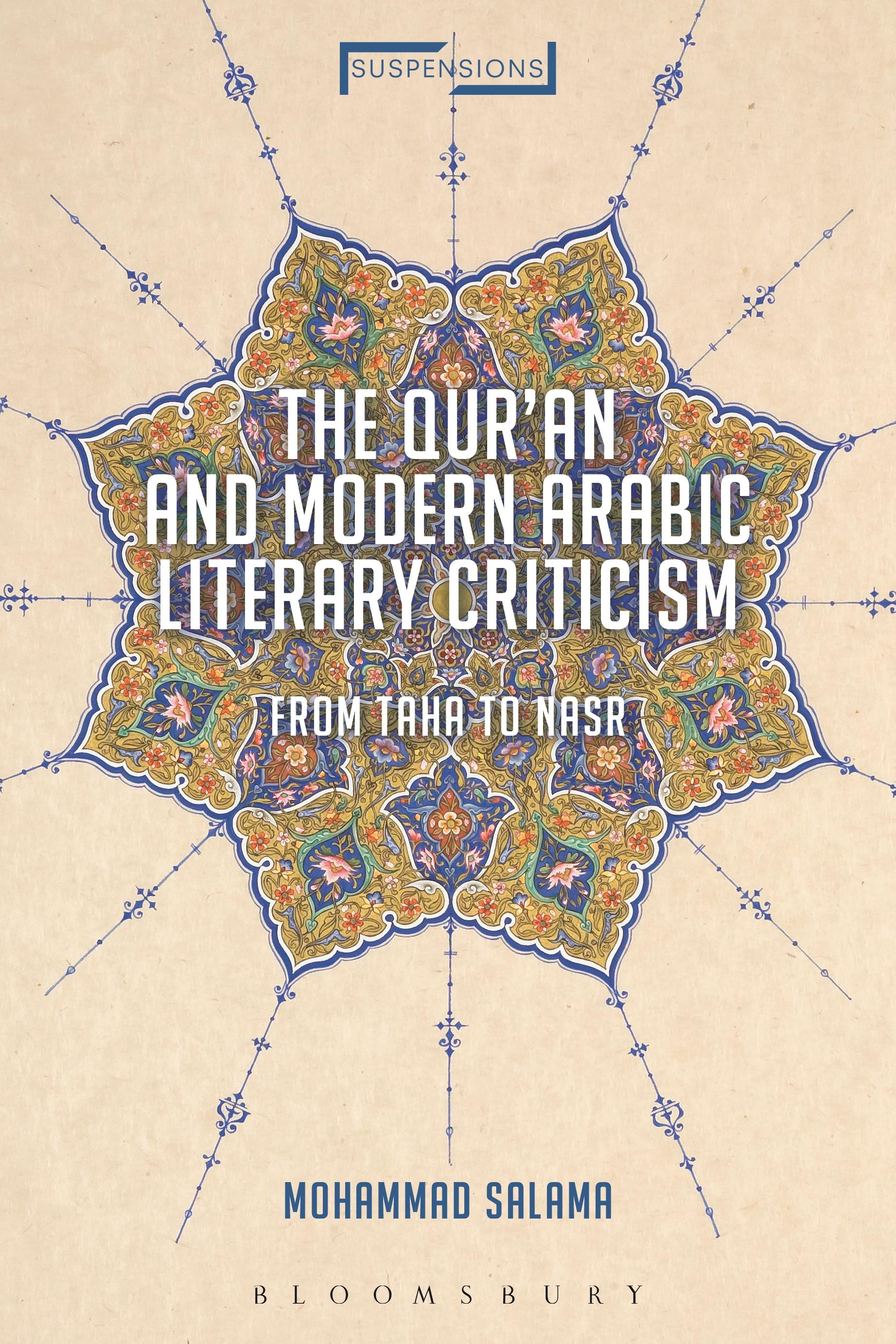
In The Qur'an and Modern Arabic Literary Criticism, Mohammad Salama navigates the labyrinthine semantics that underlie this sacred text and inform contemporary scholarship. The book presents reflections on Quranic exegesis by explaining - and distinguishing between - interpretation and explication. While the book focuses on Quranic and literary scholarship in twentieth-century Egypt from Taha Husayn to Nasr Hamid Abu Zayd, it also engages with an immense tradition of scholarship from the classical period to the present, including authors such as Abu 'Ubayda, Ibn 'Abbas, al-Razi, and al-Tabari.
Salama argues that, over the centuries, the Arabic language experienced semantic and phonological shifts, creating a lacuna in understanding the Qur'an and bringing contemporary readers under the spell of hermeneutical and parochial interpretations. He demonstrates that while this lacuna explains much of the intellectual poverty of traditionalist approaches to Quranic exegesis, the work of the modern Egyptian school of academics marks a sharp departure from the programmed conservatism of Islamist and Salafi exegetics. Through analyses of the writings of these intellectuals, the author shows that a fresh look at the sources and a revolutionary attempt to approach the Qur'an could render tradition itself an impetus for an alternative aesthetics-contextual, open, and unfolding.
Salama argues that, over the centuries, the Arabic language experienced semantic and phonological shifts, creating a lacuna in understanding the Qur'an and bringing contemporary readers under the spell of hermeneutical and parochial interpretations. He demonstrates that while this lacuna explains much of the intellectual poverty of traditionalist approaches to Quranic exegesis, the work of the modern Egyptian school of academics marks a sharp departure from the programmed conservatism of Islamist and Salafi exegetics. Through analyses of the writings of these intellectuals, the author shows that a fresh look at the sources and a revolutionary attempt to approach the Qur'an could render tradition itself an impetus for an alternative aesthetics-contextual, open, and unfolding.
Payez facilement par carte, Klarna, Apple Pay ou Google Pay. Pas satisfait ? Vous avez toujours une garantie de remboursement de 14 jours. En savoir plus dans nos conditions. Si vous avez des questions, envoyez-nous un e-mail à hello@memmo.org.
Memmo facilite tes études, où que tu sois dans le monde. On rassemble tes manuels de cours et des outils d'étude intelligents au même endroit : résumés, quiz, podcasts et flashcards. Et il y a Ted, ton compagnon d'étude qui répond à toutes tes questions. Plus de 50 000 étudiants étudient déjà ici – conçu pour t'aider à apprendre plus vite et à moins stresser.