
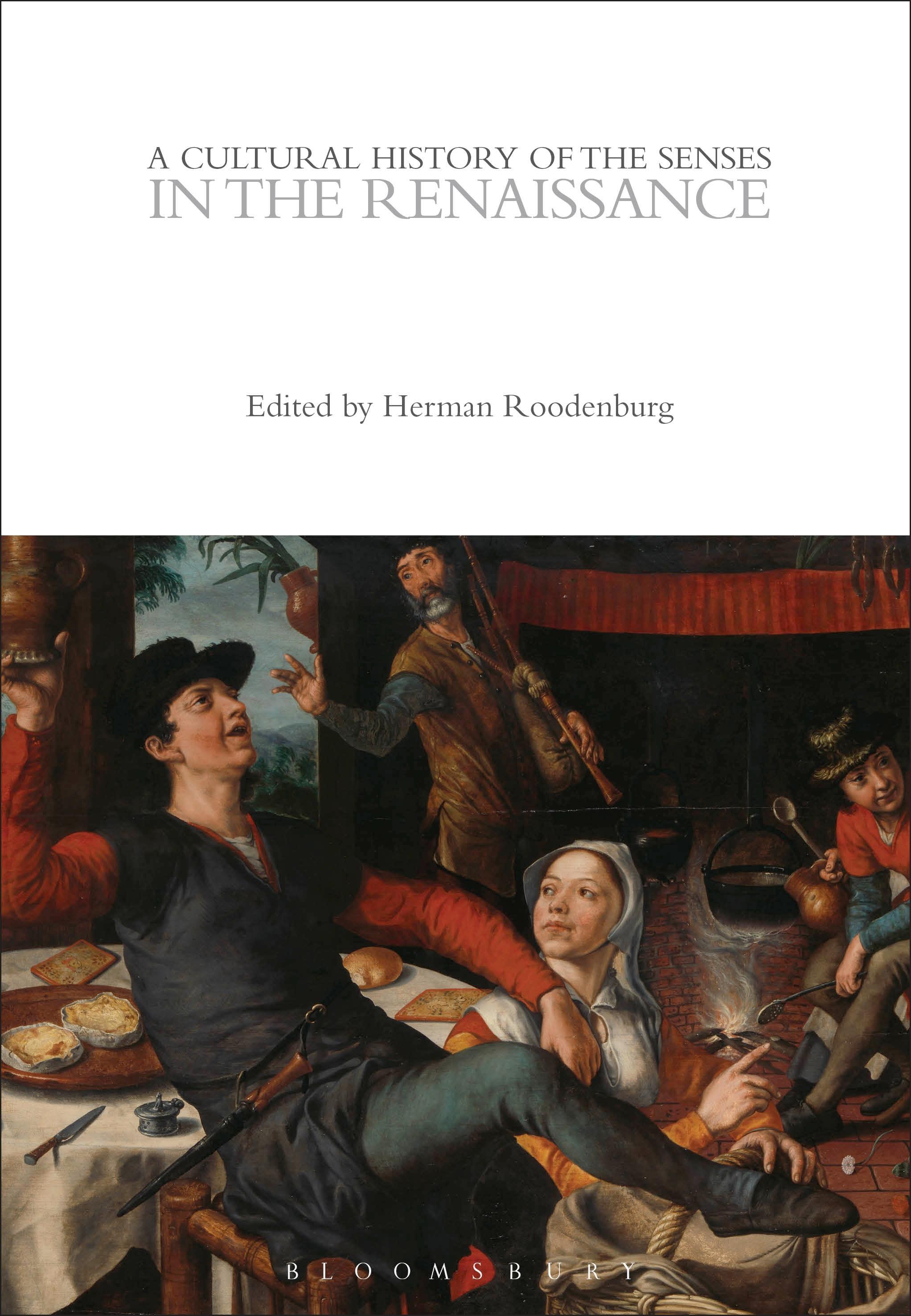
We know the Renaissance as a key period in the history of Europe. It saw the development of court and urban cultures, witnessed the first global voyages of discovery and gave rise to the Reformation and Counter Reformation. It also started with the 'invention' of oil painting, linear perspective and moveable type, all visual technologies. Does that mean, as has been suggested, that the Renaissance stands for the 'ascendancy of the eye'? If so, then what happened to the sensory extremes which the famous Dutch historian Johan Huizinga still perceived in the 15th century? Did they simply disappear? Or is there another history to be told, a history of a surprising continuity, not only of the sense of hearing but also of the 'lower' senses – those of taste, smell and touch? And was the Renaissance not first and foremost a time of deep sensory anxiety? This volume, assembling nine outstanding specialists, seeks to answer these questions while offering a lively and 'sensational' portrait of the period.
A Cultural History of the Senses in the Renaissance presents essays on the following topics: the social life of the senses; urban sensations; the senses in the marketplace; the senses in religion; the senses in philosophy and science; medicine and the senses; the senses in literature; art and the senses; and sensory media.
A Cultural History of the Senses in the Renaissance presents essays on the following topics: the social life of the senses; urban sensations; the senses in the marketplace; the senses in religion; the senses in philosophy and science; medicine and the senses; the senses in literature; art and the senses; and sensory media.
Payez facilement par carte, Klarna, Apple Pay ou Google Pay. Pas satisfait ? Vous avez toujours une garantie de remboursement de 14 jours. En savoir plus dans nos conditions. Si vous avez des questions, envoyez-nous un e-mail à hello@memmo.org.
Memmo facilite tes études, où que tu sois dans le monde. On rassemble tes manuels de cours et des outils d'étude intelligents au même endroit : résumés, quiz, podcasts et flashcards. Et il y a Ted, ton compagnon d'étude qui répond à toutes tes questions. Plus de 50 000 étudiants étudient déjà ici – conçu pour t'aider à apprendre plus vite et à moins stresser.