
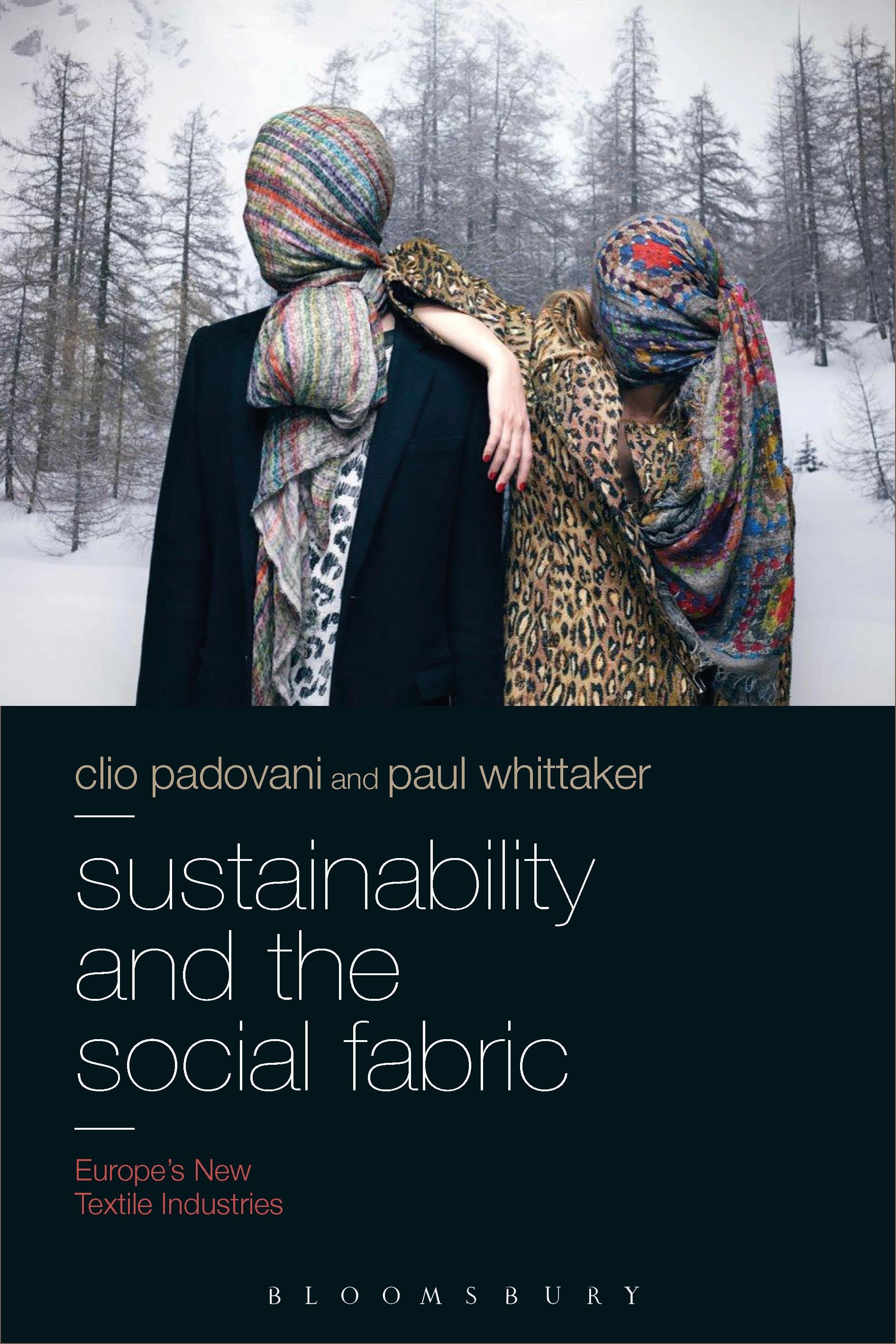
While the topic of sustainability in textile manufacture has been the subject of considerable research, much of this is limited to a focus on materials and practices and their ecological impact. Padovani and Whittaker offer a unique exploration of the textile industry in Europe from the perspective of social sustainability, shifting the focus from the materiality of textile production to the industry's relationships with the communities from which the products originate.
Featuring six in-depth case studies from design entrepreneurs, artisans and textile businesses around Europe, from Harris Tweed in Scotland to luxury woollen mills in Italy, Sustainability and the Social Fabric explores how new centres of textile manufacturing have emerged from the economic decline in 2008, responding creatively and producing socially inclusive approaches to textile production. Case studies each represent a different approach to social sustainability and are supported by interviews with industry leaders and comparisons to the global textile industry. Demonstrating how some companies are rebuilding the local social fabric to encourage consumer participation through education, enterprise, health and wellbeing, the book suggests innovative business models that are economically successful and also, in turn, support wider societal issues.
Essential reading for students of textiles, fashion, design and related subjects, this book will demonstrate how a business ecosystem that focuses on inclusive growth and social innovation can lead to sustained mutual benefit for textile industries and their local communities.
Featuring six in-depth case studies from design entrepreneurs, artisans and textile businesses around Europe, from Harris Tweed in Scotland to luxury woollen mills in Italy, Sustainability and the Social Fabric explores how new centres of textile manufacturing have emerged from the economic decline in 2008, responding creatively and producing socially inclusive approaches to textile production. Case studies each represent a different approach to social sustainability and are supported by interviews with industry leaders and comparisons to the global textile industry. Demonstrating how some companies are rebuilding the local social fabric to encourage consumer participation through education, enterprise, health and wellbeing, the book suggests innovative business models that are economically successful and also, in turn, support wider societal issues.
Essential reading for students of textiles, fashion, design and related subjects, this book will demonstrate how a business ecosystem that focuses on inclusive growth and social innovation can lead to sustained mutual benefit for textile industries and their local communities.
Pages: 200
Catégorie: Samhällsvetenskap
e-ISBN: 9781474224130
Poids d'expédition: 1.2 kg
Expédié sous: 1-2 jours
Payez facilement par carte, Klarna, Apple Pay ou Google Pay. Pas satisfait ? Vous avez toujours une garantie de remboursement de 14 jours. En savoir plus dans nos conditions. Si vous avez des questions, envoyez-nous un e-mail à hello@memmo.org.
Memmo facilite tes études, où que tu sois dans le monde. On rassemble tes manuels de cours et des outils d'étude intelligents au même endroit : résumés, quiz, podcasts et flashcards. Et il y a Ted, ton compagnon d'étude qui répond à toutes tes questions. Plus de 50 000 étudiants étudient déjà ici – conçu pour t'aider à apprendre plus vite et à moins stresser.