
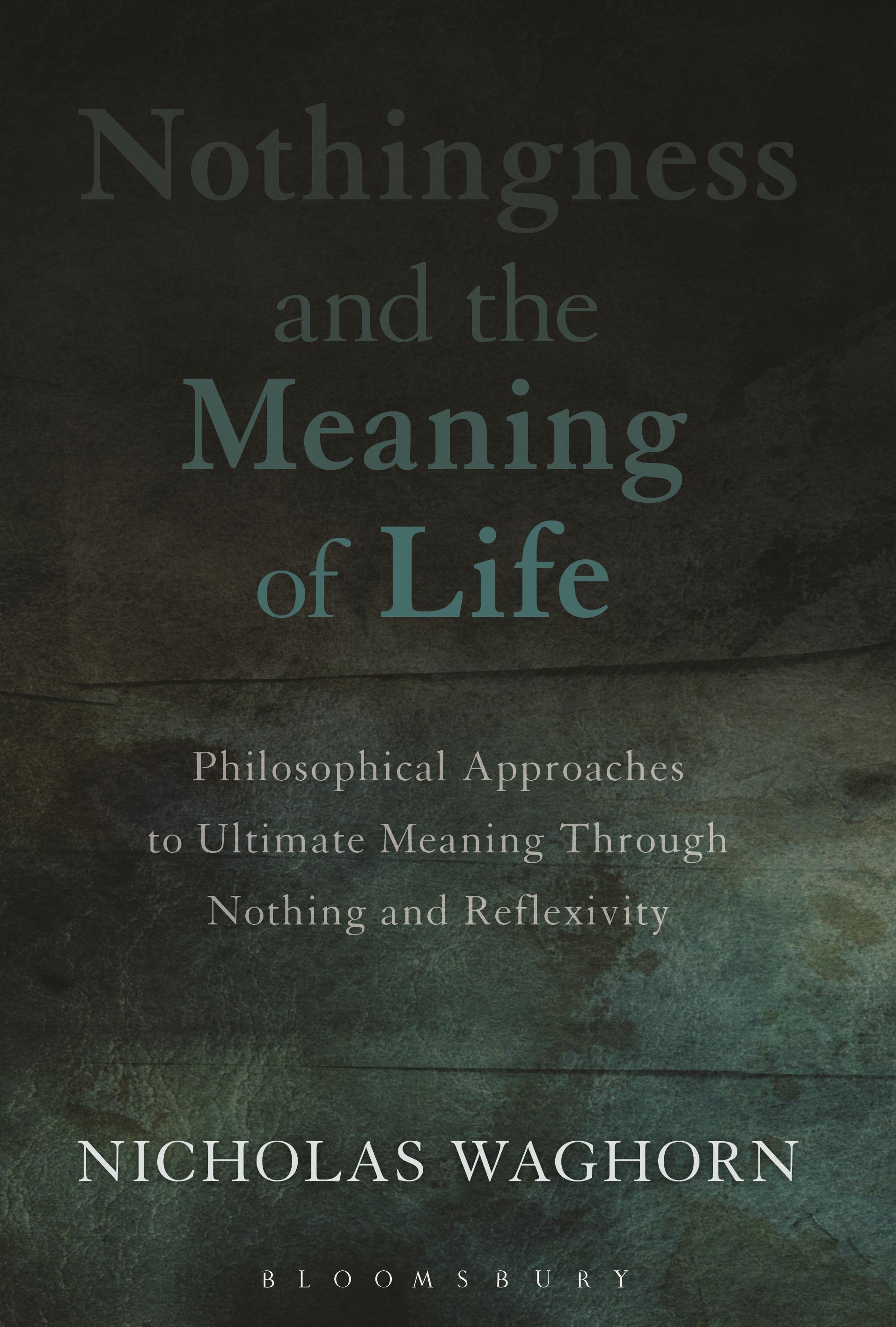
What is the meaning of life? Does anything really matter? In the past few decades these questions, perennially associated with philosophy in the popular consciousness, have rightly retaken their place as central topics in the academy. In this major contribution, Nicholas Waghorn provides a sustained and rigorous elucidation of what it would take for lives to have significance. Bracketing issues about ways our lives could have more or less meaning, the focus is rather on the idea of ultimate meaning, the issue of whether a life can attain meaning that cannot be called into question.
Waghorn sheds light on this most fundamental of existential problems through a detailed yet comprehensive examination of the notion of nothing, embracing classic and cutting-edge literature from both the analytic and Continental traditions. Central figures such as Heidegger, Carnap, Wittgenstein, Nozick and Nagel are drawn upon to anchor the discussion in some of the most influential discussion of recent philosophical history. In the process of relating our ideas concerning nothing to the problem of life's meaning, Waghorn's book touches upon a number of fundamental themes, including reflexivity and its relation to our conceptual limits, whether religion has any role to play in the question of life's meaning, and the nature and constraints of philosophical methodology.
A number of major philosophical traditions are addressed, including phenomenology, poststructuralism, and classical and paraconsistent logics. In addition to providing the most thorough current discussion of ultimate meaning, it will serve to introduce readers to philosophical debates concerning the notion of nothing, and the appendix engaging religion will be of value to both philosophers and theologians.
Waghorn sheds light on this most fundamental of existential problems through a detailed yet comprehensive examination of the notion of nothing, embracing classic and cutting-edge literature from both the analytic and Continental traditions. Central figures such as Heidegger, Carnap, Wittgenstein, Nozick and Nagel are drawn upon to anchor the discussion in some of the most influential discussion of recent philosophical history. In the process of relating our ideas concerning nothing to the problem of life's meaning, Waghorn's book touches upon a number of fundamental themes, including reflexivity and its relation to our conceptual limits, whether religion has any role to play in the question of life's meaning, and the nature and constraints of philosophical methodology.
A number of major philosophical traditions are addressed, including phenomenology, poststructuralism, and classical and paraconsistent logics. In addition to providing the most thorough current discussion of ultimate meaning, it will serve to introduce readers to philosophical debates concerning the notion of nothing, and the appendix engaging religion will be of value to both philosophers and theologians.
Payez facilement par carte, Klarna, Apple Pay ou Google Pay. Pas satisfait ? Vous avez toujours une garantie de remboursement de 14 jours. En savoir plus dans nos conditions. Si vous avez des questions, envoyez-nous un e-mail à hello@memmo.org.
Memmo facilite tes études, où que tu sois dans le monde. On rassemble tes manuels de cours et des outils d'étude intelligents au même endroit : résumés, quiz, podcasts et flashcards. Et il y a Ted, ton compagnon d'étude qui répond à toutes tes questions. Plus de 50 000 étudiants étudient déjà ici – conçu pour t'aider à apprendre plus vite et à moins stresser.