
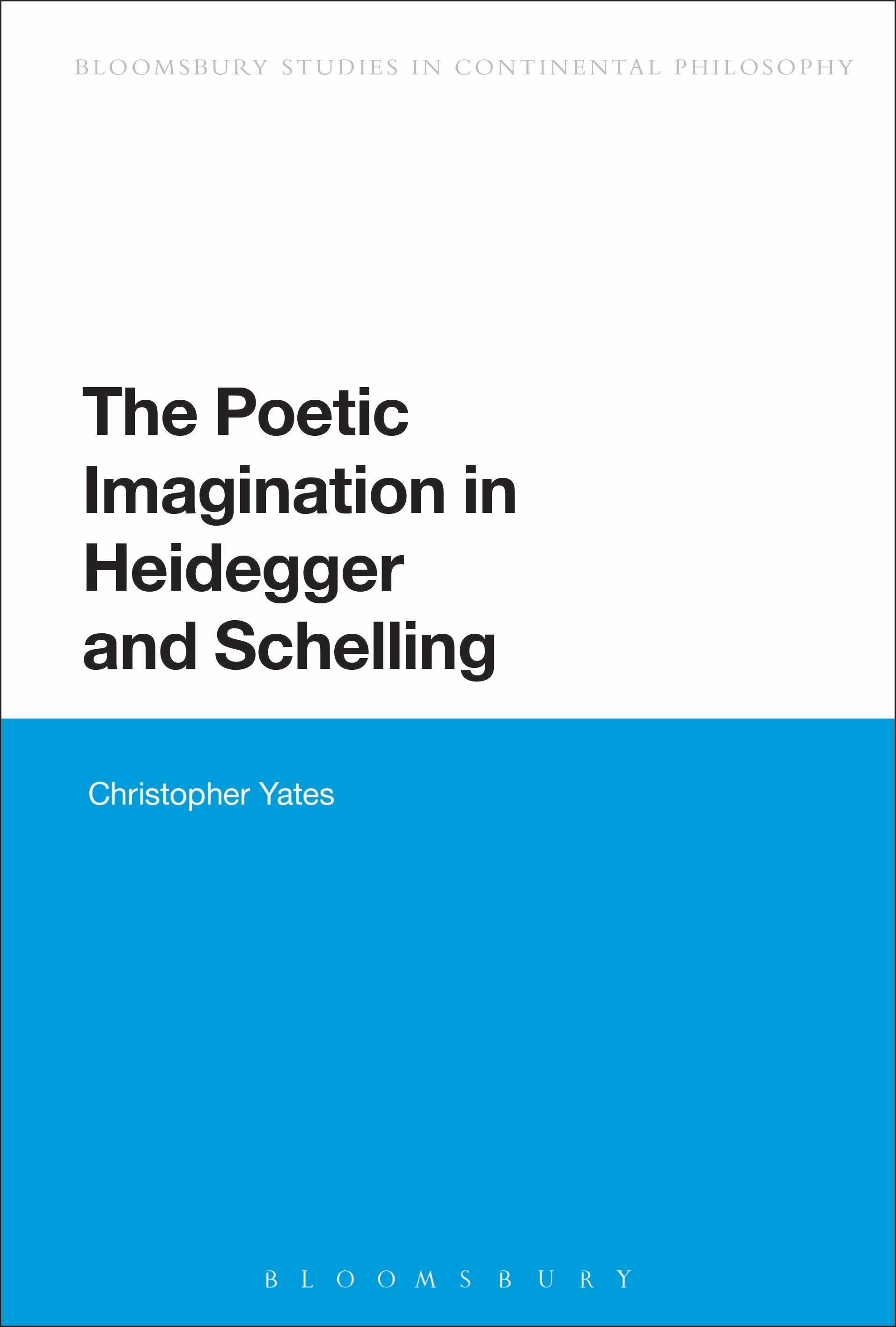
The imagination is a decisive, if underappreciated, theme in German thought since Kant. In this rigorous historical and textual analysis, Christopher Yates challenges an oversight of traditional readings by presenting the first comparative study of F.W.J. Schelling and Martin Heidegger on this theme.
By investigating the importance of the imagination in the thought of Schelling and Heidegger, Yates' study argues that Heidegger's later, more poetic, philosophy cannot be understood properly without appreciating Schelling's central importance for him. A key figure in post-Kantian German Idealism, Schelling's penetrating attention to the creative character of thought remains undervalued. Capturing the essential manner in which Heidegger's ontology and Schelling's idealism intersect, The Poetic Imagination in Heidegger and Schelling likewise presents an introduction to better understanding Heidegger's later thought. It reveals how his engagement with Schelling encouraged Heidegger to recover and refine the imagination as a poetic, as opposed to reductive and dogmatic, collaborator in the life of truth.
Tracing the theme of imagination in new readings of these major thinkers, Yates' study not only acknowledges Schelling's provocative place in post-Kantian German Idealism, but demonstrates as well the significance of Schelling's philosophical focus and style for Heidegger's own concentration on the creative vocation of human artistry and thought.
By investigating the importance of the imagination in the thought of Schelling and Heidegger, Yates' study argues that Heidegger's later, more poetic, philosophy cannot be understood properly without appreciating Schelling's central importance for him. A key figure in post-Kantian German Idealism, Schelling's penetrating attention to the creative character of thought remains undervalued. Capturing the essential manner in which Heidegger's ontology and Schelling's idealism intersect, The Poetic Imagination in Heidegger and Schelling likewise presents an introduction to better understanding Heidegger's later thought. It reveals how his engagement with Schelling encouraged Heidegger to recover and refine the imagination as a poetic, as opposed to reductive and dogmatic, collaborator in the life of truth.
Tracing the theme of imagination in new readings of these major thinkers, Yates' study not only acknowledges Schelling's provocative place in post-Kantian German Idealism, but demonstrates as well the significance of Schelling's philosophical focus and style for Heidegger's own concentration on the creative vocation of human artistry and thought.
Payez facilement par carte, Klarna, Apple Pay ou Google Pay. Pas satisfait ? Vous avez toujours une garantie de remboursement de 14 jours. En savoir plus dans nos conditions. Si vous avez des questions, envoyez-nous un e-mail à hello@memmo.org.
Memmo facilite tes études, où que tu sois dans le monde. On rassemble tes manuels de cours et des outils d'étude intelligents au même endroit : résumés, quiz, podcasts et flashcards. Et il y a Ted, ton compagnon d'étude qui répond à toutes tes questions. Plus de 50 000 étudiants étudient déjà ici – conçu pour t'aider à apprendre plus vite et à moins stresser.