
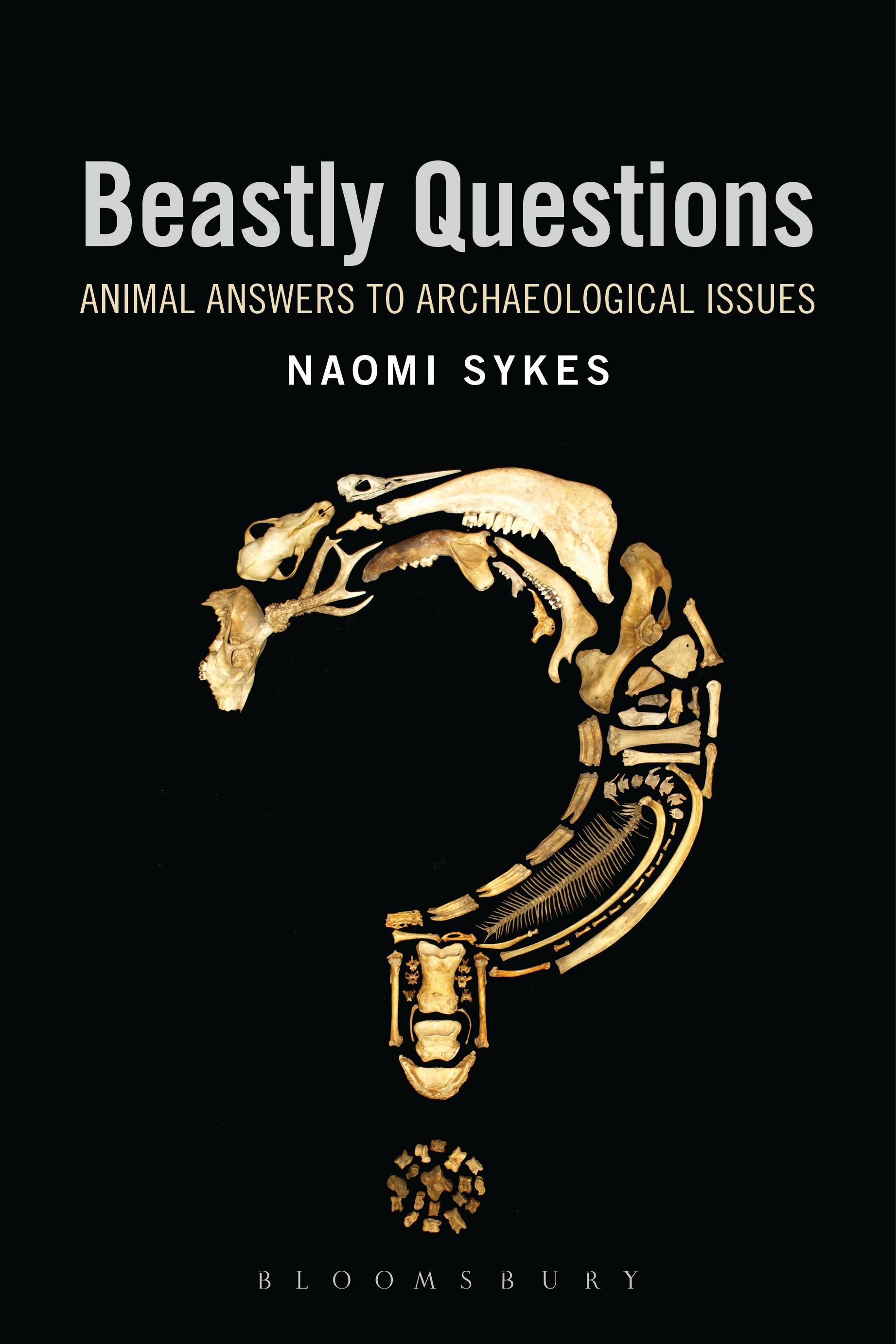
Zooarchaeology, or the study of ancient animals, is a frequently side-lined subject in archaeology. This is bizarre given that the archaeological record is composed largely of debris from human–animal relationships (be they in the form of animal bones, individual artifacts or entire landscapes) and that many disciplines, including anthropology, sociology, and geography, recognise human–animal interactions as a key source of information for understanding cultural ideology.
By integrating knowledge from archaeological remains with evidence from texts, iconography, social anthropology and cultural geography, Beastly Questions: Animal Answers to Archaeological Issues seeks to encourage archaeological students, researchers and those working in the commercial sector to offer more engaging interpretations of the evidence at their disposal. Going beyond the simple confines of 'what people ate', this accessible but in-depth study covers a variety of high-profile topics in European archaeology and provides novel interpretations of mainstream archaeological questions. This includes cultural responses to wild animals, the domestication of animals and its implications on human daily practice, experience and ideology, the transportation of species and the value of incorporating animals into landscape research, the importance of the study of foodways for understanding past societies and how animal studies can help us to comprehend issues of human identity and ideology: past, present and future.
By integrating knowledge from archaeological remains with evidence from texts, iconography, social anthropology and cultural geography, Beastly Questions: Animal Answers to Archaeological Issues seeks to encourage archaeological students, researchers and those working in the commercial sector to offer more engaging interpretations of the evidence at their disposal. Going beyond the simple confines of 'what people ate', this accessible but in-depth study covers a variety of high-profile topics in European archaeology and provides novel interpretations of mainstream archaeological questions. This includes cultural responses to wild animals, the domestication of animals and its implications on human daily practice, experience and ideology, the transportation of species and the value of incorporating animals into landscape research, the importance of the study of foodways for understanding past societies and how animal studies can help us to comprehend issues of human identity and ideology: past, present and future.
Payez facilement par carte, Klarna, Apple Pay ou Google Pay. Pas satisfait ? Vous avez toujours une garantie de remboursement de 14 jours. En savoir plus dans nos conditions. Si vous avez des questions, envoyez-nous un e-mail à hello@memmo.org.
Memmo facilite tes études, où que tu sois dans le monde. On rassemble tes manuels de cours et des outils d'étude intelligents au même endroit : résumés, quiz, podcasts et flashcards. Et il y a Ted, ton compagnon d'étude qui répond à toutes tes questions. Plus de 50 000 étudiants étudient déjà ici – conçu pour t'aider à apprendre plus vite et à moins stresser.