
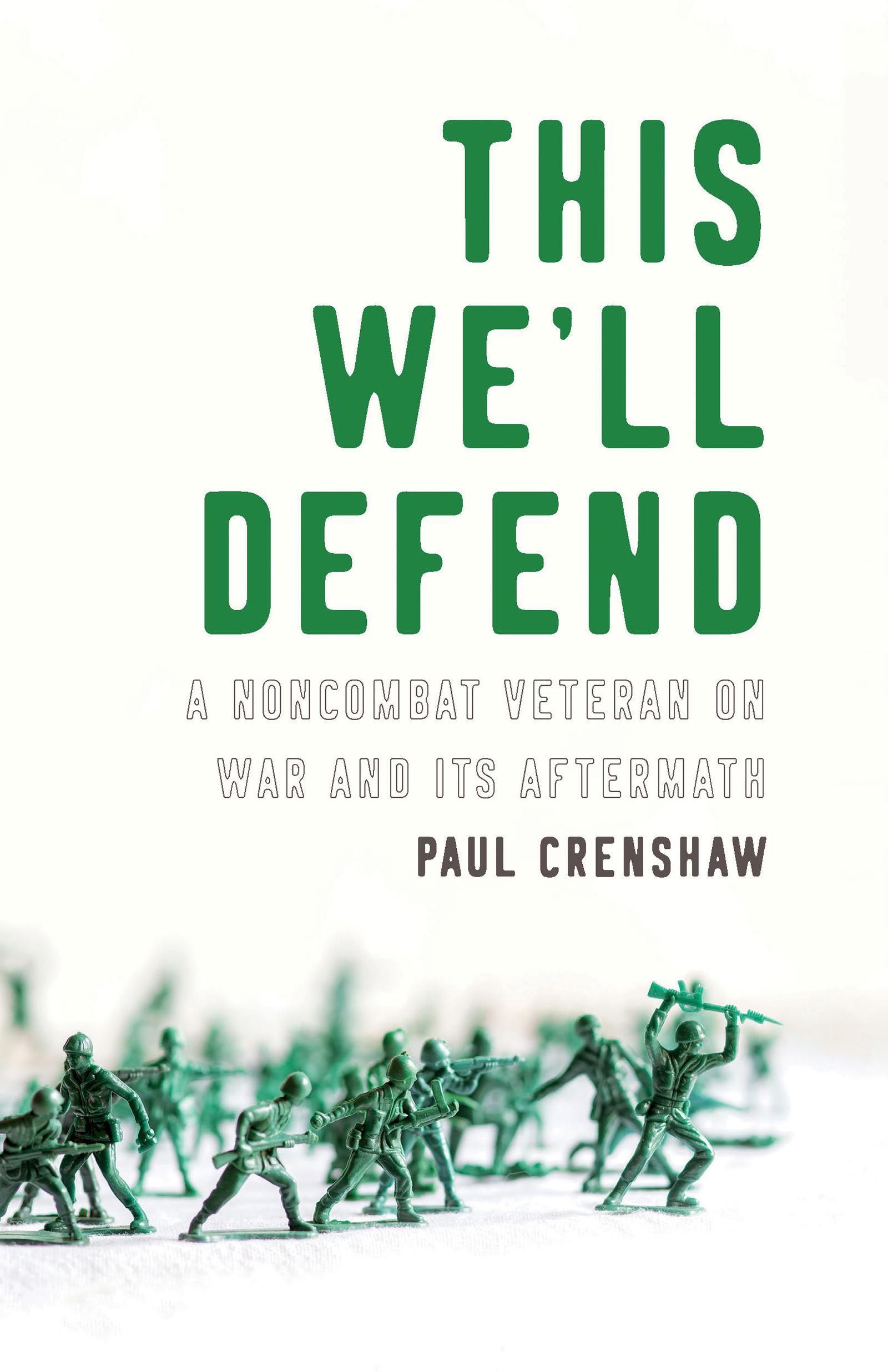
In June 1990, Paul Crenshaw shipped out for basic training for the National Guard. By August, Saddam Hussein had invaded Kuwait. Each day brought more news of mobilizing forces. For weeks, Crenshaw was told he was going to war, but after graduation, he went back home to Arkansas and watched CNN every night, lying about how much he wished he had been deployed.
Later, after Crenshaw had gotten out of the army, he began to question the reasons for the wars we fight. The essays here follow his time in the service, from Basic Training to weekend National Guard drills and the years after. Crenshaw moves from eager recruit to father worrying that his daughters might enlist. He watches the airplanes strike the Twin Towers and sees two new wars ignite out of the ashes of the old. He writes as a soldier who did not see combat but who wonders what constant combat might do to U.S. soldiers, how it affects them, and how the wars we fight affect us all. These essays reflect deeply on American culture and military life—how easily we buy into ideas of good versus bad, us versus them; how we see soldiers as heroes when more often than not they are young boys barely old enough to shave; how many return home broken while we only wave our flags instead of trying to fix them and the ideas that sent them to war.
Later, after Crenshaw had gotten out of the army, he began to question the reasons for the wars we fight. The essays here follow his time in the service, from Basic Training to weekend National Guard drills and the years after. Crenshaw moves from eager recruit to father worrying that his daughters might enlist. He watches the airplanes strike the Twin Towers and sees two new wars ignite out of the ashes of the old. He writes as a soldier who did not see combat but who wonders what constant combat might do to U.S. soldiers, how it affects them, and how the wars we fight affect us all. These essays reflect deeply on American culture and military life—how easily we buy into ideas of good versus bad, us versus them; how we see soldiers as heroes when more often than not they are young boys barely old enough to shave; how many return home broken while we only wave our flags instead of trying to fix them and the ideas that sent them to war.
Payez facilement par carte, Klarna, Apple Pay ou Google Pay. Pas satisfait ? Vous avez toujours une garantie de remboursement de 14 jours. En savoir plus dans nos conditions. Si vous avez des questions, envoyez-nous un e-mail à hello@memmo.org.
Memmo facilite tes études, où que tu sois dans le monde. On rassemble tes manuels de cours et des outils d'étude intelligents au même endroit : résumés, quiz, podcasts et flashcards. Et il y a Ted, ton compagnon d'étude qui répond à toutes tes questions. Plus de 50 000 étudiants étudient déjà ici – conçu pour t'aider à apprendre plus vite et à moins stresser.
Tu pourrais aussi aimer
Acheter le livre0