
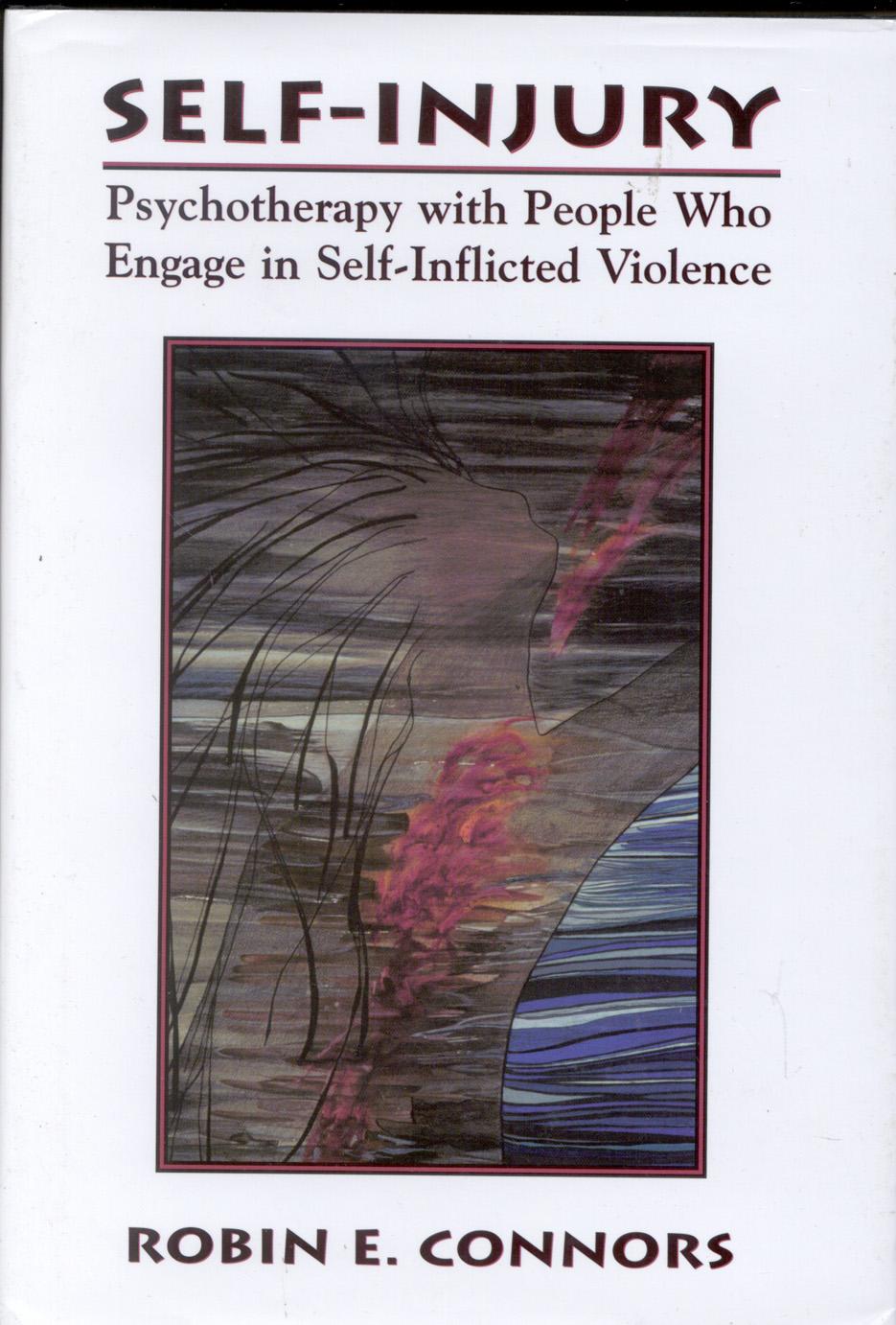
People who directly injure their bodies are increasingly seeking help from psychotherapists. Coming out of the closet of shame, they are turning to professionals for understanding, compassion, and healing. Because of the potent nature of self-injury and the variety of issues it touches, clinical responses to it have often been only moderately beneficial and, in too many cases, distinctly harmful.
In this perceptive work, Dr. Robin Connors offers helpful guidelines to clinicians that will improve their capacity to respond in a direct, effective, and respectful way to people who self-injure. Key to this work is understanding the function of self-inflicted violence and its relationship to unresolved traumas and losses, including the role of trauma in disrupting the formation of the self-boundary. Dr. Connors identifies fundamental therapeutic tasks, gives clear examples of interventions, and offers concrete recommendations for interacting with patients about their self-injury.
A range of related issues are addressed as well, from repairing inadequate self-boundaries to using adjunct therapies. Finally, the task of determining right action in light of strong countertransferential responses is explored, including situations where self-injury occurs in the therapist's presence. In this exceptional book, Dr. Connors gives us the words to describe the pain beneath self-injuring behavior, and a blueprint for providing the compassionate understanding that is a prerequisite for healing.
In this perceptive work, Dr. Robin Connors offers helpful guidelines to clinicians that will improve their capacity to respond in a direct, effective, and respectful way to people who self-injure. Key to this work is understanding the function of self-inflicted violence and its relationship to unresolved traumas and losses, including the role of trauma in disrupting the formation of the self-boundary. Dr. Connors identifies fundamental therapeutic tasks, gives clear examples of interventions, and offers concrete recommendations for interacting with patients about their self-injury.
A range of related issues are addressed as well, from repairing inadequate self-boundaries to using adjunct therapies. Finally, the task of determining right action in light of strong countertransferential responses is explored, including situations where self-injury occurs in the therapist's presence. In this exceptional book, Dr. Connors gives us the words to describe the pain beneath self-injuring behavior, and a blueprint for providing the compassionate understanding that is a prerequisite for healing.
Payez facilement par carte, Klarna, Apple Pay ou Google Pay. Pas satisfait ? Vous avez toujours une garantie de remboursement de 14 jours. En savoir plus dans nos conditions. Si vous avez des questions, envoyez-nous un e-mail à hello@memmo.org.
Memmo facilite tes études, où que tu sois dans le monde. On rassemble tes manuels de cours et des outils d'étude intelligents au même endroit : résumés, quiz, podcasts et flashcards. Et il y a Ted, ton compagnon d'étude qui répond à toutes tes questions. Plus de 50 000 étudiants étudient déjà ici – conçu pour t'aider à apprendre plus vite et à moins stresser.