
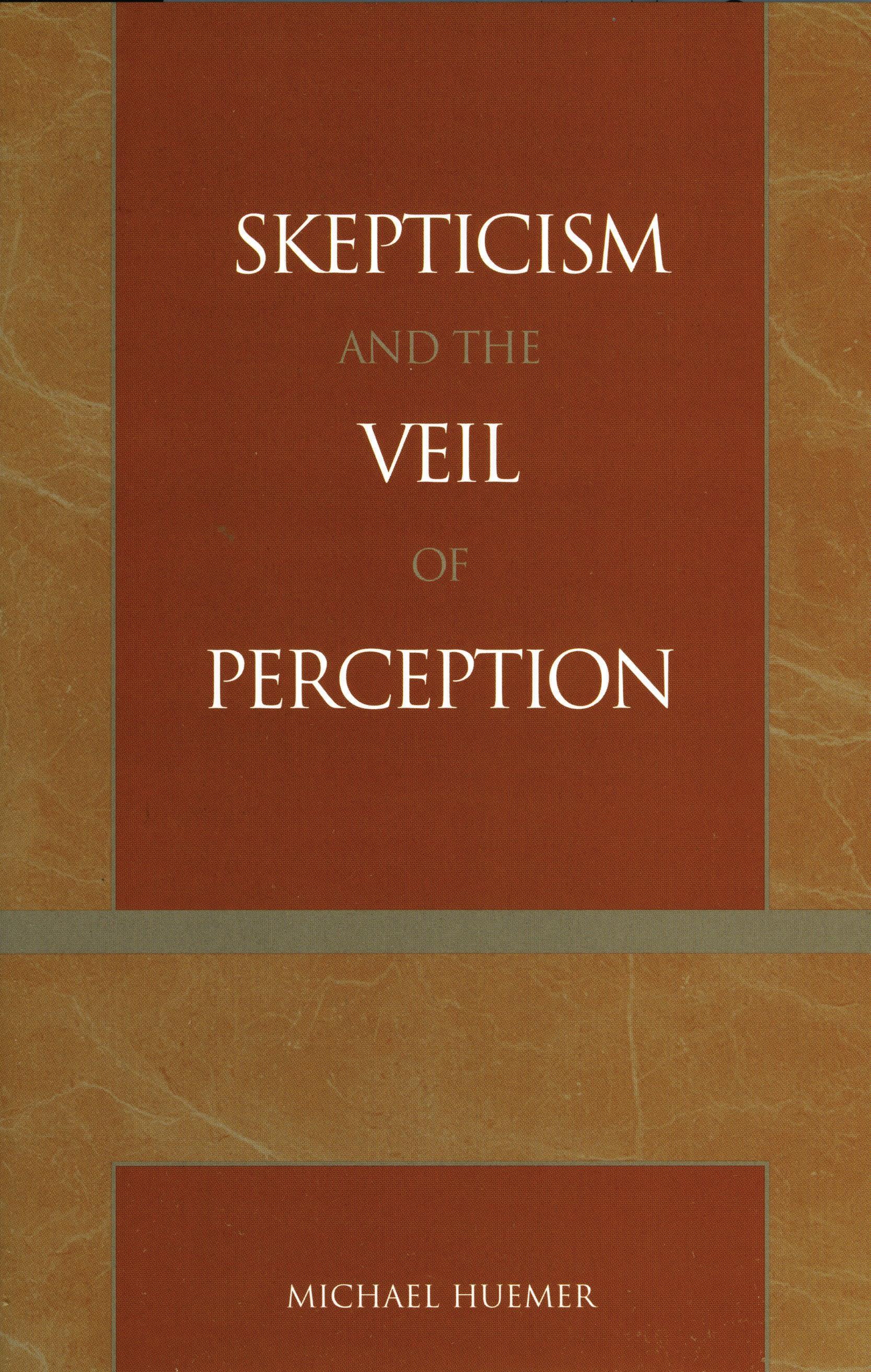
Since Descartes, one of the central questions of Western philosophy has been that of how we know that the objects we seem to perceive are real. Philosophical skeptics claim that we know no such thing. Representationalists claim that we can gain such knowledge only by inference, by showing that the hypothesis of a real world is the best explanation for the kind of sensations and mental images we experience. Both accept the doctrine of a 'veil of perception:' that perception can only give us direct awareness of images or representations of objects, not the external objects themselves. In contrast, Huemer develops a theory of perceptual awareness in which perception gives us direct awareness of real objects, not mental representations, and we have non-inferential knowledge of the properties of these objects. Further, Huemer confronts the four main arguments for philosophical skepticism, showing that they are powerless against this kind of theory of perceptual knowledge.
Payez facilement par carte, Klarna, Apple Pay ou Google Pay. Pas satisfait ? Vous avez toujours une garantie de remboursement de 14 jours. En savoir plus dans nos conditions. Si vous avez des questions, envoyez-nous un e-mail à hello@memmo.org.
Memmo facilite tes études, où que tu sois dans le monde. On rassemble tes manuels de cours et des outils d'étude intelligents au même endroit : résumés, quiz, podcasts et flashcards. Et il y a Ted, ton compagnon d'étude qui répond à toutes tes questions. Plus de 50 000 étudiants étudient déjà ici – conçu pour t'aider à apprendre plus vite et à moins stresser.