
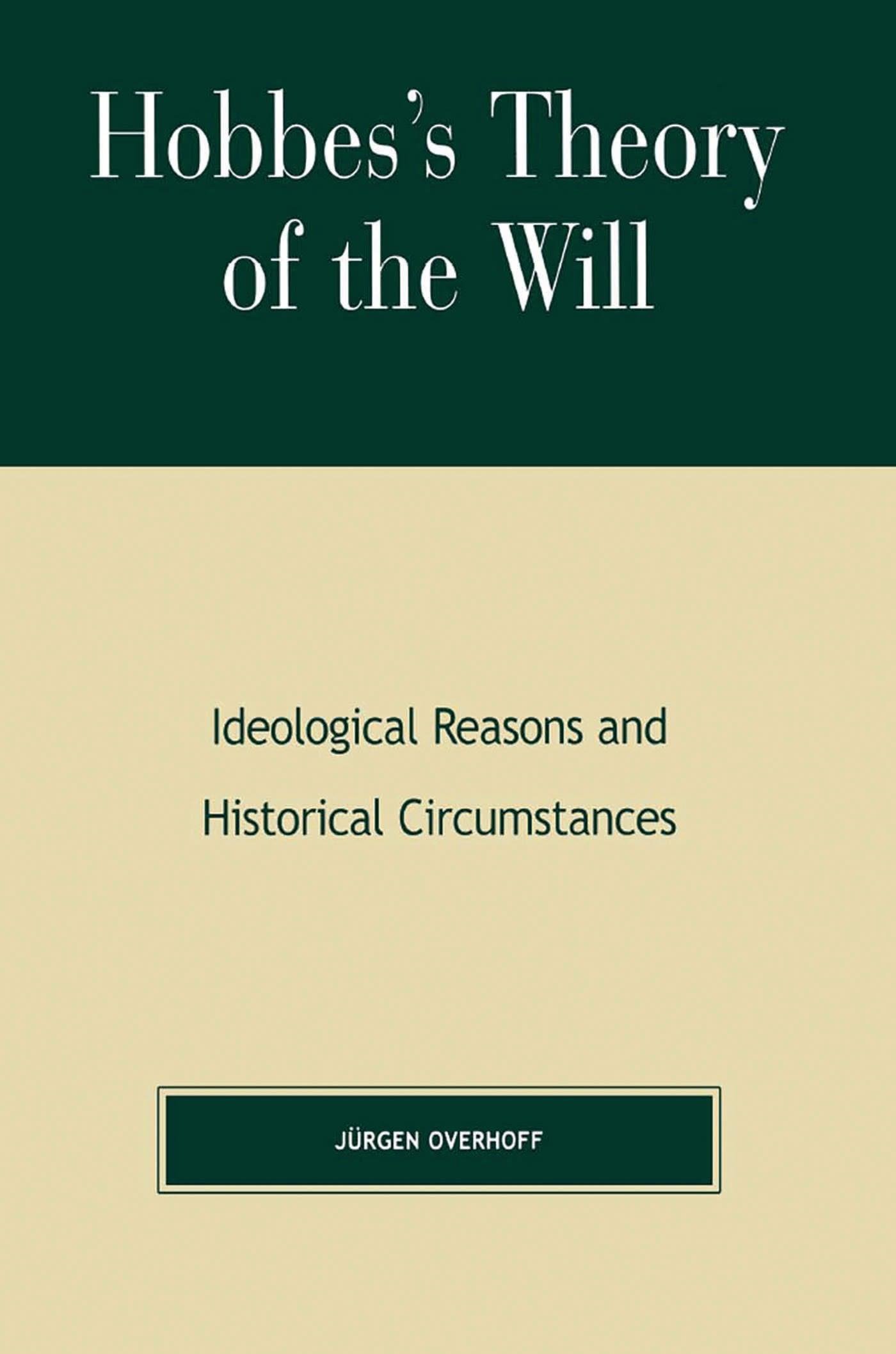
In Hobbes's Theory of the Will, Jurgen Overhoff reveals the religious, ethical, and political consequences of Thomas Hobbes's doctrine of volition. The author gracefully describes how Hobbes's thought was governed by assumptions based firmly in Galilean natural philosophy and orthodox Protestant theology. Overhoff also demonstrates how his subject used materialist eschatology and an absolutist political theory to resolve the social and ethical predicaments that coincided with these assumptions. Finally, Overhoff provides a chronological study of the numerous philosophical, theological, religious and political aspects of Hobbes's idea of the will and situates Hobbes's doctrine within the context of the most important responses and objections put forward by his critics.
Payez facilement par carte, Klarna, Apple Pay ou Google Pay. Pas satisfait ? Vous avez toujours une garantie de remboursement de 14 jours. En savoir plus dans nos conditions. Si vous avez des questions, envoyez-nous un e-mail à hello@memmo.org.
Memmo facilite tes études, où que tu sois dans le monde. On rassemble tes manuels de cours et des outils d'étude intelligents au même endroit : résumés, quiz, podcasts et flashcards. Et il y a Ted, ton compagnon d'étude qui répond à toutes tes questions. Plus de 50 000 étudiants étudient déjà ici – conçu pour t'aider à apprendre plus vite et à moins stresser.