
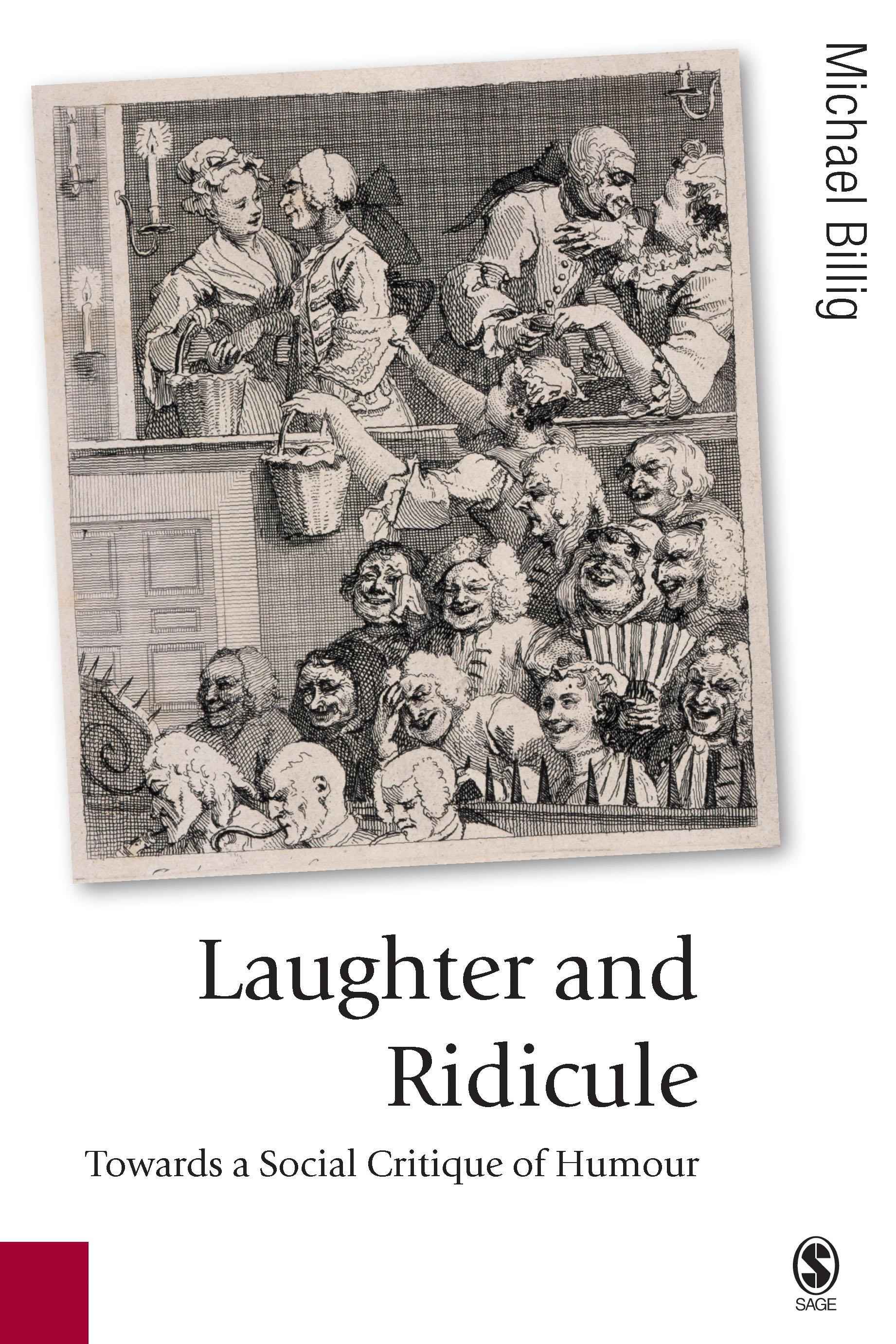
This delightful book tackles the prevailing assumption that laughter and humour are inherently good. In developing a critique of humour the author proposes a social theory that places humour - in the form of ridicule - as central to social life. Billig argues that all cultures use ridicule as a disciplinary means to uphold norms of conduct and conventions of meaning.
Historically, theories of humour reflect wider visions of politics, morality and aesthetics. For example, Bergson argued that humour contains an element of cruelty while Freud suggested that we deceive ourselves about the true nature of our laughter. Billig discusses these and other theories, while using the topic of humour to throw light on the perennial social problems of regulation, control and emancipation.
Payez facilement par carte, Klarna, Apple Pay ou Google Pay. Pas satisfait ? Vous avez toujours une garantie de remboursement de 14 jours. En savoir plus dans nos conditions. Si vous avez des questions, envoyez-nous un e-mail à hello@memmo.org.
Memmo facilite tes études, où que tu sois dans le monde. On rassemble tes manuels de cours et des outils d'étude intelligents au même endroit : résumés, quiz, podcasts et flashcards. Et il y a Ted, ton compagnon d'étude qui répond à toutes tes questions. Plus de 50 000 étudiants étudient déjà ici – conçu pour t'aider à apprendre plus vite et à moins stresser.