
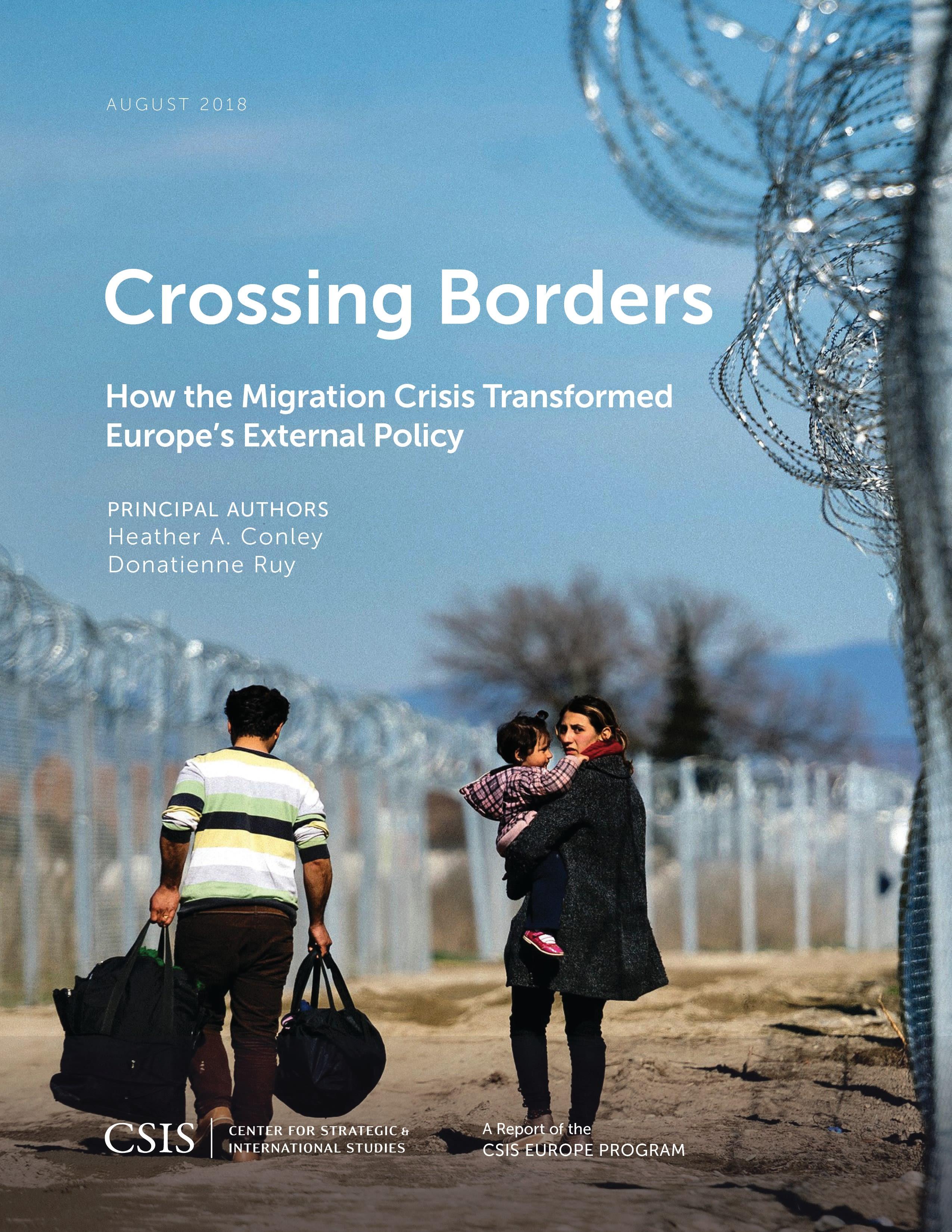
In recent years, Europe has seen its largest influx of migrants and refugees in decades, with 1.9 million arrivals to the continent between 2014 and 2017. Peak arrivals in 2015, and sustained flows since then, have found the European Union and its 28 member states unable to face what has been called the “European migration crisis.” Part of their response has focused on cooperation with third countries of transit or origin, by leveraging development, humanitarian, and foreign policy tools to try and reduce migrant flows to Europe, including through many funding and budgetary decisions. This report attempts to quantify, through budgetary analysis, what shifts occurred in the external dimension of Europe’s migration policy following the crisis, and in three member states (Germany, Sweden, and the Netherlands). These short-term shifts, representing policy priorities, carry long-term consequences for the European Union’s role as a foreign policy and soft power actor.
Payez facilement par carte, Klarna, Apple Pay ou Google Pay. Pas satisfait ? Vous avez toujours une garantie de remboursement de 14 jours. En savoir plus dans nos conditions. Si vous avez des questions, envoyez-nous un e-mail à hello@memmo.org.
Memmo facilite tes études, où que tu sois dans le monde. On rassemble tes manuels de cours et des outils d'étude intelligents au même endroit : résumés, quiz, podcasts et flashcards. Et il y a Ted, ton compagnon d'étude qui répond à toutes tes questions. Plus de 50 000 étudiants étudient déjà ici – conçu pour t'aider à apprendre plus vite et à moins stresser.