
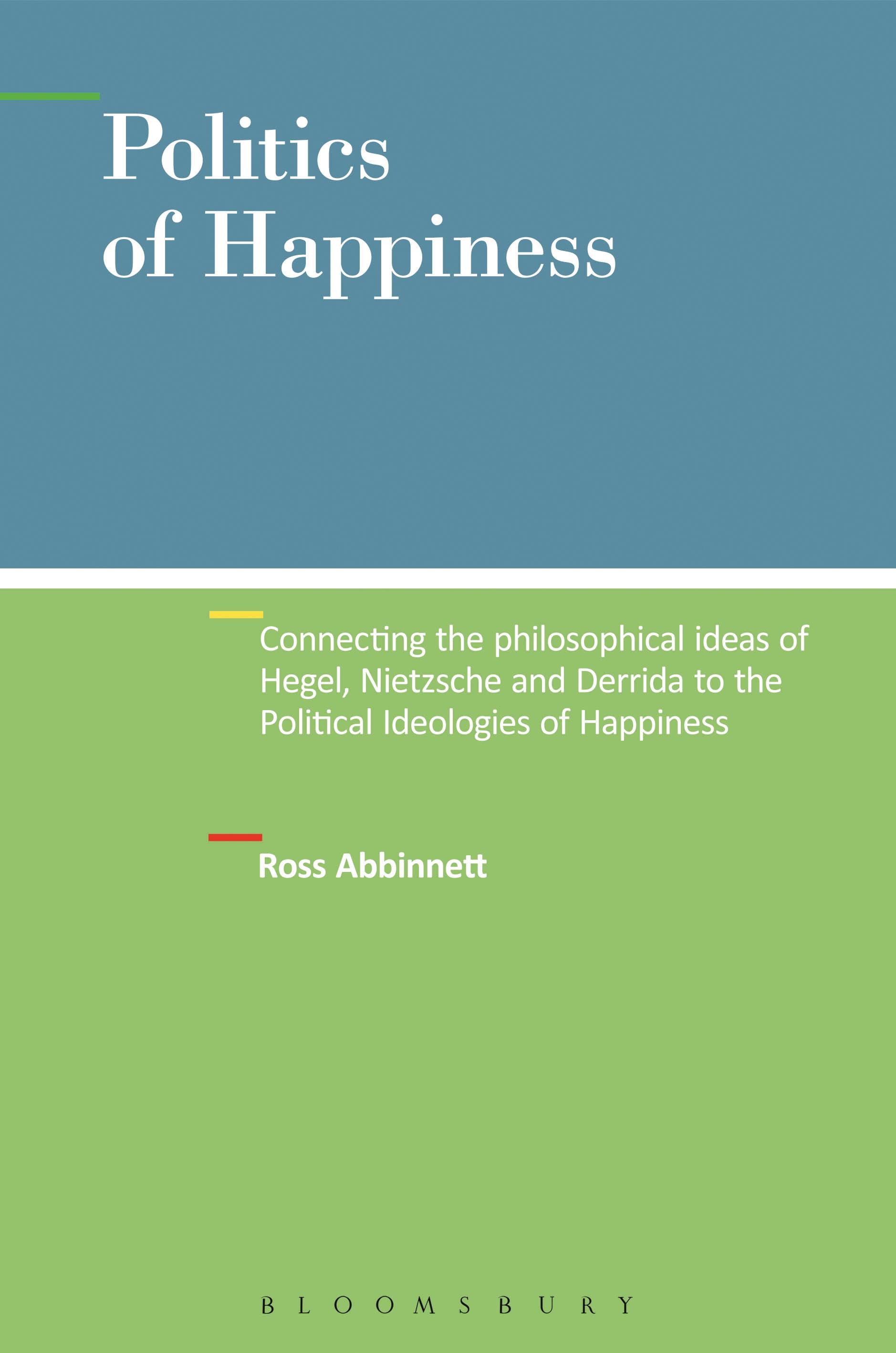
This unique and engaging study argues that the Western concern with achieving happiness should be understood in terms of its relationship to the political ideologies that have emerged since the Enlightenment. To do so, each chapter examines the place that happiness occupies in the construction of ideologies that have formed the political terrain of the West, including liberalism, postmodernism, socialism, fascism, and religion. Throughout, Hegel's phenomenology, Nietzsche's genealogy, and Derrida's account of deconstruction as reactions to modernization are used to show that the politics of happiness are always a clash of fundamental ideas of belonging, overcoming, and ethical responsibility. Stressing that the concept of happiness lies at the foundation of political movements, the book also looks at its place in the current global order, analyzing the emergence of such ideas as affective democracy that challenge the conventional notions of privatized, acquisitive happiness.
Written in a clear manner, the work will appeal to political theory students and researchers looking for a critical and historical account of contemporary debates about the nature of happiness and ideology.
Written in a clear manner, the work will appeal to political theory students and researchers looking for a critical and historical account of contemporary debates about the nature of happiness and ideology.
Payez facilement par carte, Klarna, Apple Pay ou Google Pay. Pas satisfait ? Vous avez toujours une garantie de remboursement de 14 jours. En savoir plus dans nos conditions. Si vous avez des questions, envoyez-nous un e-mail à hello@memmo.org.
Memmo facilite tes études, où que tu sois dans le monde. On rassemble tes manuels de cours et des outils d'étude intelligents au même endroit : résumés, quiz, podcasts et flashcards. Et il y a Ted, ton compagnon d'étude qui répond à toutes tes questions. Plus de 50 000 étudiants étudient déjà ici – conçu pour t'aider à apprendre plus vite et à moins stresser.