
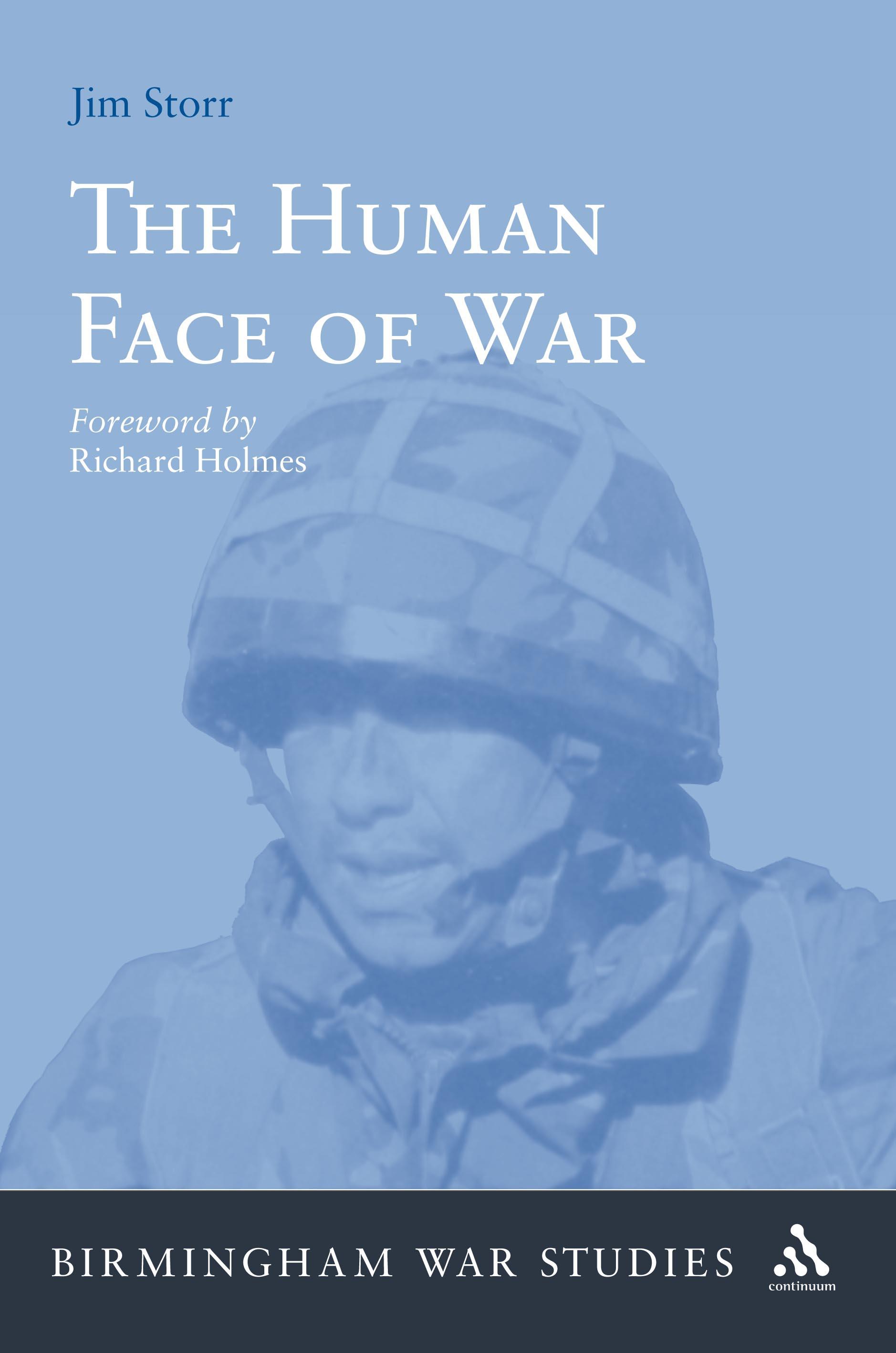
Warfare is hugely important. The fates of nations, and even continents, often rests on the outcome of war and thus on how its practitioners consider war. The Human Face of War is a new exploration of military thought. It starts with the observation that much military thought is poorly developed - often incoherent and riddled with paradox. The author contends that what is missing from British and American writing on warfare is any underpinning mental approach or philosophy. Why are some tank commanders, snipers, fighter pilots or submarine commanders far more effective than others? Why are many generals sacked at the outbreak of war? The Human Face of War examines such phenomena and seeks to explain them.
The author argues that military thought should be based on an approach which reflects the nature of combat. Combat - fighting - is primarily a human phenomenon dominated by human behaviour. The book explores some of those human issues and their practical consequences. The Human Face of War calls for, and suggests, a new way of considering war and warfare.
The author argues that military thought should be based on an approach which reflects the nature of combat. Combat - fighting - is primarily a human phenomenon dominated by human behaviour. The book explores some of those human issues and their practical consequences. The Human Face of War calls for, and suggests, a new way of considering war and warfare.
Payez facilement par carte, Klarna, Apple Pay ou Google Pay. Pas satisfait ? Vous avez toujours une garantie de remboursement de 14 jours. En savoir plus dans nos conditions. Si vous avez des questions, envoyez-nous un e-mail à hello@memmo.org.
Memmo facilite tes études, où que tu sois dans le monde. On rassemble tes manuels de cours et des outils d'étude intelligents au même endroit : résumés, quiz, podcasts et flashcards. Et il y a Ted, ton compagnon d'étude qui répond à toutes tes questions. Plus de 50 000 étudiants étudient déjà ici – conçu pour t'aider à apprendre plus vite et à moins stresser.