
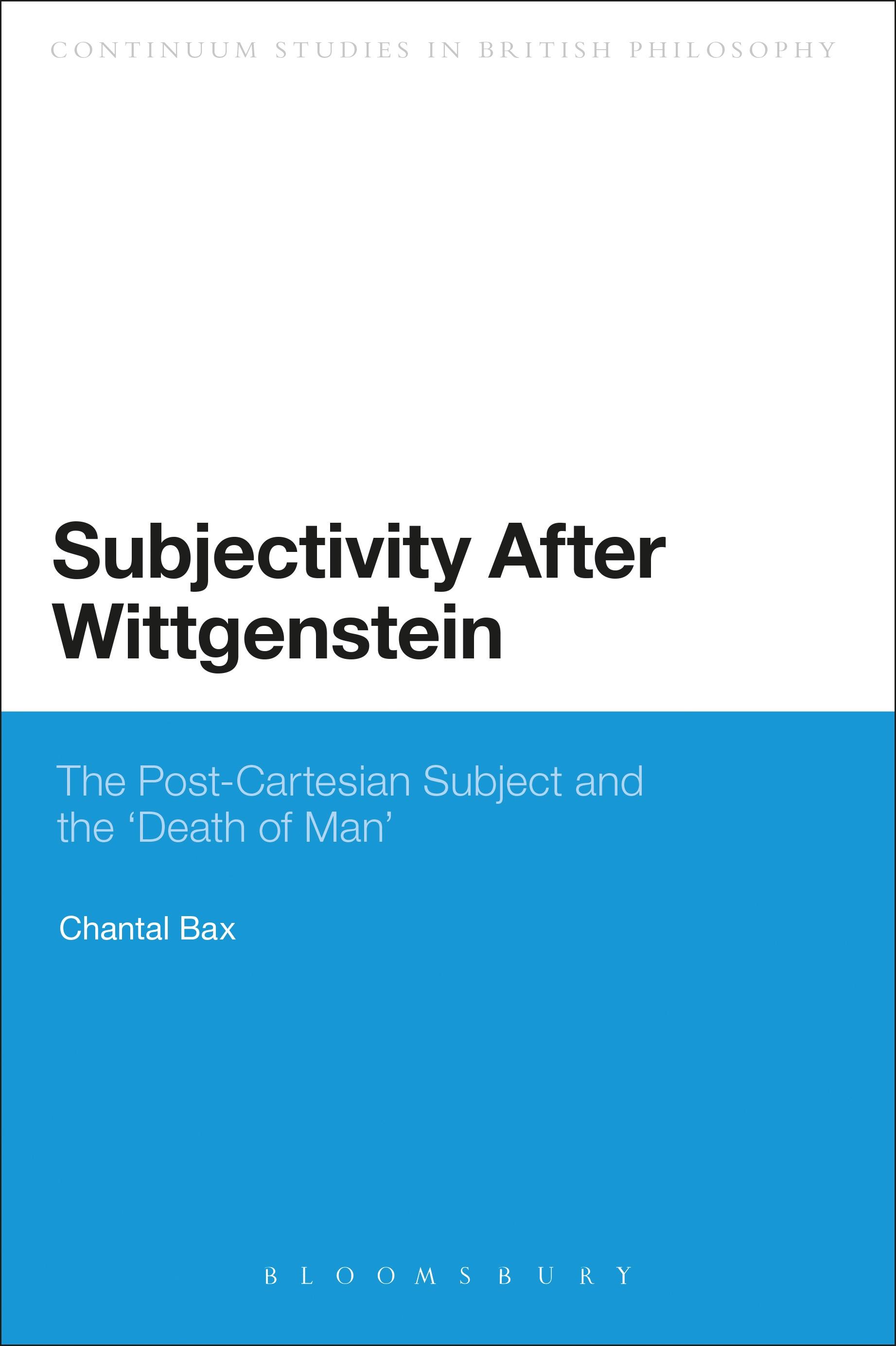
Although Wittgenstein is often held co-responsible for the so-called death of man as it was pronounced in the course of the previous century, no detailed description of his alternative to the traditional or Cartesian account of human being has so far been available. By consulting several parts of Wittgenstein's later oeuvre, Subjectivity after Wittgenstein aims to fill this gap. However, it also contributes to the debate about the Cartesian subject and its demise by discussing the criticism that the rethinking of subjectivity received, for it has been argued that the anti-Cartesian turn in continental philosophy has lead to a loss of a centre for both ethics and politics. By further exploring the implications of the Wittgensteinian account of human being, this book makes it clear that a non-Cartesian view on the subject is not necessarily ethically and politically inert. Moreover, it argues that ethical and political arguments should not automatically take precedence in a debate about the nature of man.
Payez facilement par carte, Klarna, Apple Pay ou Google Pay. Pas satisfait ? Vous avez toujours une garantie de remboursement de 14 jours. En savoir plus dans nos conditions. Si vous avez des questions, envoyez-nous un e-mail à hello@memmo.org.
Memmo facilite tes études, où que tu sois dans le monde. On rassemble tes manuels de cours et des outils d'étude intelligents au même endroit : résumés, quiz, podcasts et flashcards. Et il y a Ted, ton compagnon d'étude qui répond à toutes tes questions. Plus de 50 000 étudiants étudient déjà ici – conçu pour t'aider à apprendre plus vite et à moins stresser.