
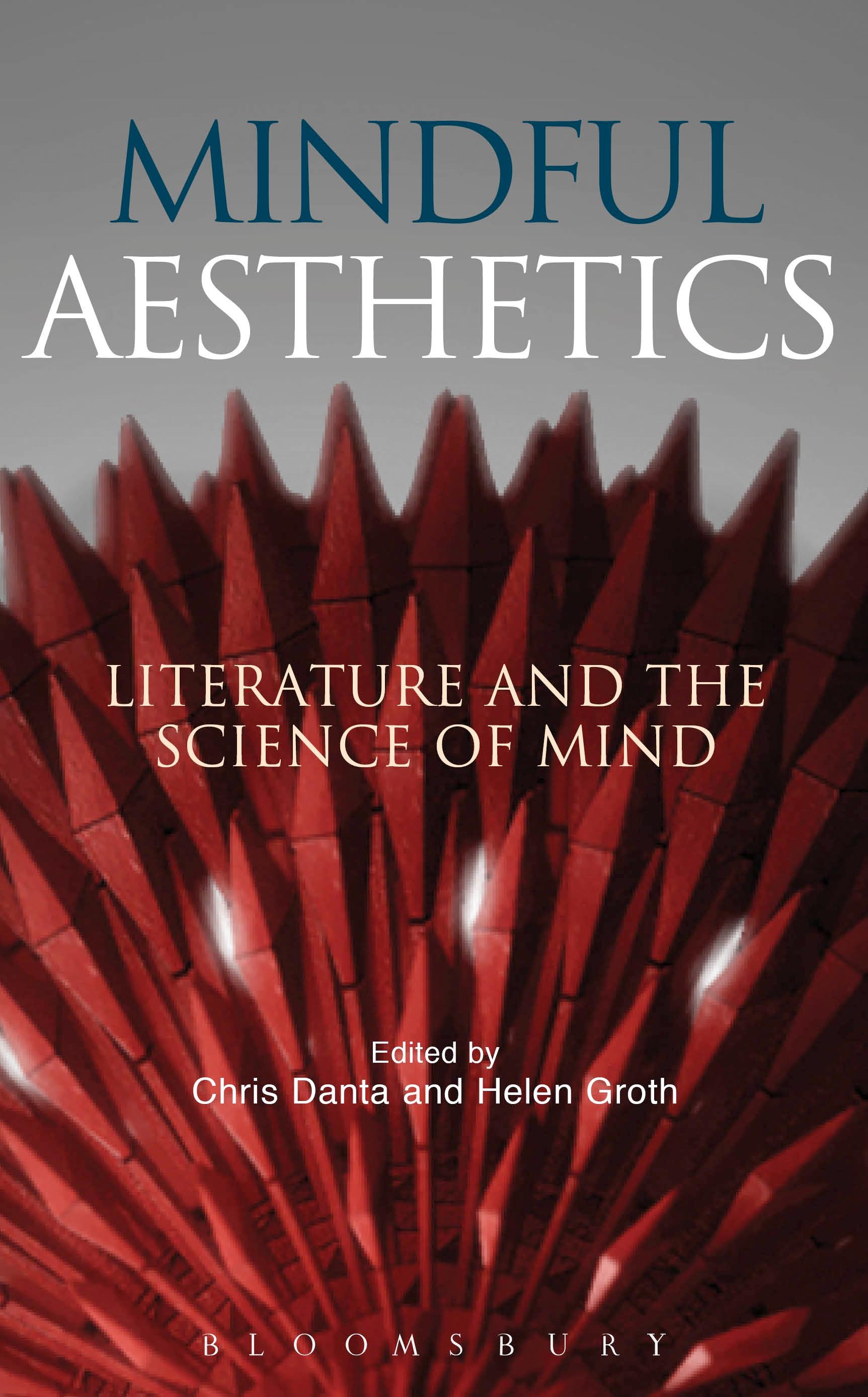
In the last few decades, literary critics have increasingly drawn insights from cognitive neuroscience to deepen and clarify our understanding of literary representations of mind. This cognitive turn has been equally generative and contentious. While cognitive literary studies has reinforced how central the concept of mind is to aesthetic practice from the classical period to the present, critics have questioned its literalism and selective borrowing of scientific authority. Mindful Aesthetics presents both these perspectives as part of a broader consideration of the ongoing and vital importance of shifting concepts of mind to both literary and critical practice.
This collection contributes to the forging of a 'new interdisciplinarity,' to paraphrase Alan Richardson's recent preface to the Neural Sublime, that is more concerned with addressing how, rather than why, we should navigate the increasingly narrow gap between the humanities and the sciences.
This collection contributes to the forging of a 'new interdisciplinarity,' to paraphrase Alan Richardson's recent preface to the Neural Sublime, that is more concerned with addressing how, rather than why, we should navigate the increasingly narrow gap between the humanities and the sciences.
Payez facilement par carte, Klarna, Apple Pay ou Google Pay. Pas satisfait ? Vous avez toujours une garantie de remboursement de 14 jours. En savoir plus dans nos conditions. Si vous avez des questions, envoyez-nous un e-mail à hello@memmo.org.
Memmo facilite tes études, où que tu sois dans le monde. On rassemble tes manuels de cours et des outils d'étude intelligents au même endroit : résumés, quiz, podcasts et flashcards. Et il y a Ted, ton compagnon d'étude qui répond à toutes tes questions. Plus de 50 000 étudiants étudient déjà ici – conçu pour t'aider à apprendre plus vite et à moins stresser.