
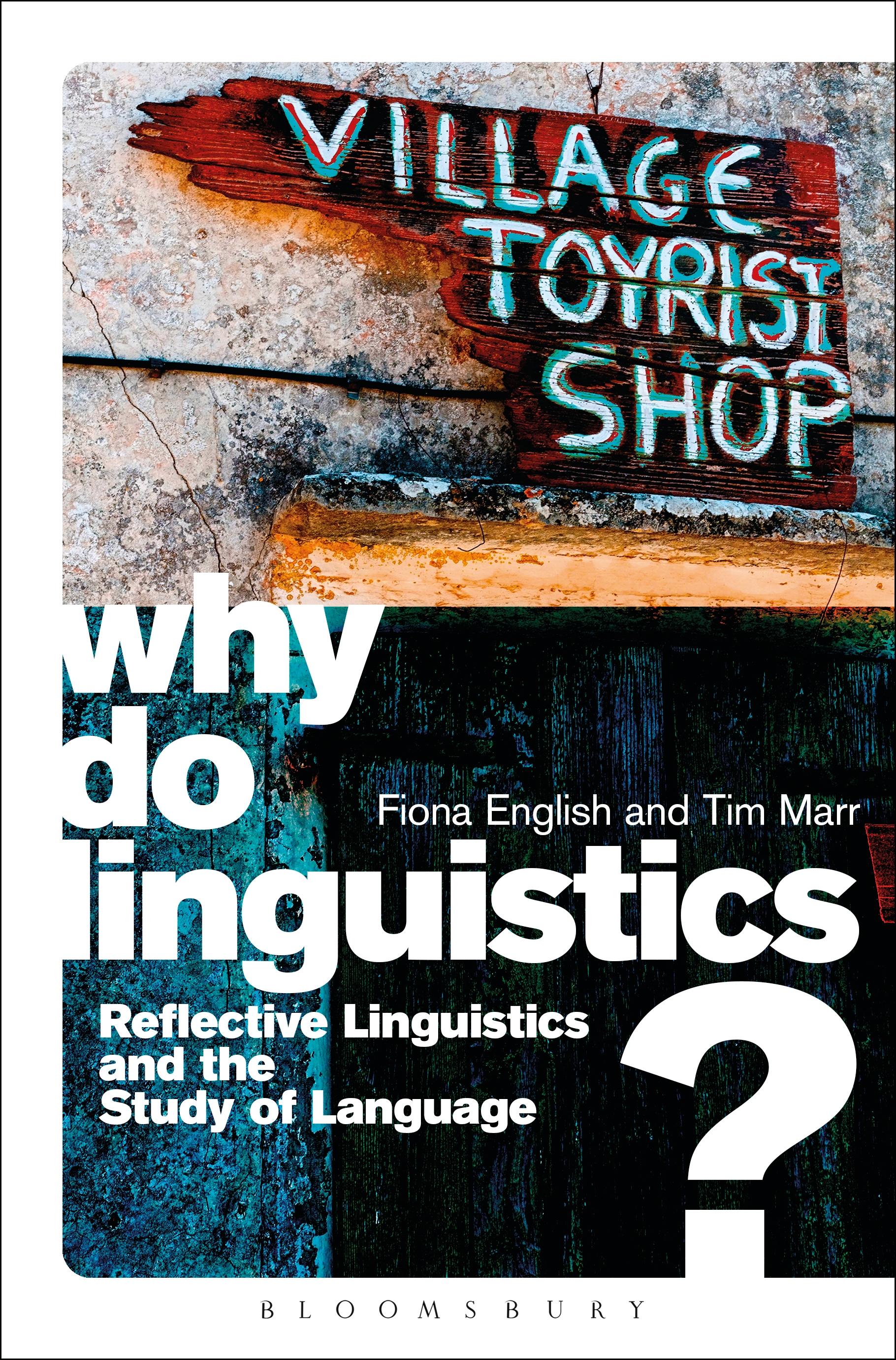
What do we need to know about language and why do we need to know it? This book shows how viewing the world through a linguistics lens can help us to understand how we communicate with each other and why we do it in the ways we do. Above all this book is about noticing. It is about encouraging readers to pay attention to the language that surrounds them.
The book addresses fundamental linguistic questions such as: Where do people's beliefs about language come from? Who decides what language we should speak? How do we choose the best way to express what we mean? It introduces a set of practical tools for language analysis and, using examples of authentic communicative activity including overheard conversations, Facebook posts and public announcements, shows how this kind of analysis works and what it can tell us about social interaction.
Exploring language and language use from a social, intercultural and multilingual perspective, the authors demonstrate the relevance of linguistics in understanding day-to-day interaction. This book will help readers not only to become informed, active observers of language for its own sake, but also to be able to take on and challenge some of the misconceptions, assumptions and prejudices that so often underlie public discussion of language issues.
The book addresses fundamental linguistic questions such as: Where do people's beliefs about language come from? Who decides what language we should speak? How do we choose the best way to express what we mean? It introduces a set of practical tools for language analysis and, using examples of authentic communicative activity including overheard conversations, Facebook posts and public announcements, shows how this kind of analysis works and what it can tell us about social interaction.
Exploring language and language use from a social, intercultural and multilingual perspective, the authors demonstrate the relevance of linguistics in understanding day-to-day interaction. This book will help readers not only to become informed, active observers of language for its own sake, but also to be able to take on and challenge some of the misconceptions, assumptions and prejudices that so often underlie public discussion of language issues.
Payez facilement par carte, Klarna, Apple Pay ou Google Pay. Pas satisfait ? Vous avez toujours une garantie de remboursement de 14 jours. En savoir plus dans nos conditions. Si vous avez des questions, envoyez-nous un e-mail à hello@memmo.org.
Memmo facilite tes études, où que tu sois dans le monde. On rassemble tes manuels de cours et des outils d'étude intelligents au même endroit : résumés, quiz, podcasts et flashcards. Et il y a Ted, ton compagnon d'étude qui répond à toutes tes questions. Plus de 50 000 étudiants étudient déjà ici – conçu pour t'aider à apprendre plus vite et à moins stresser.