
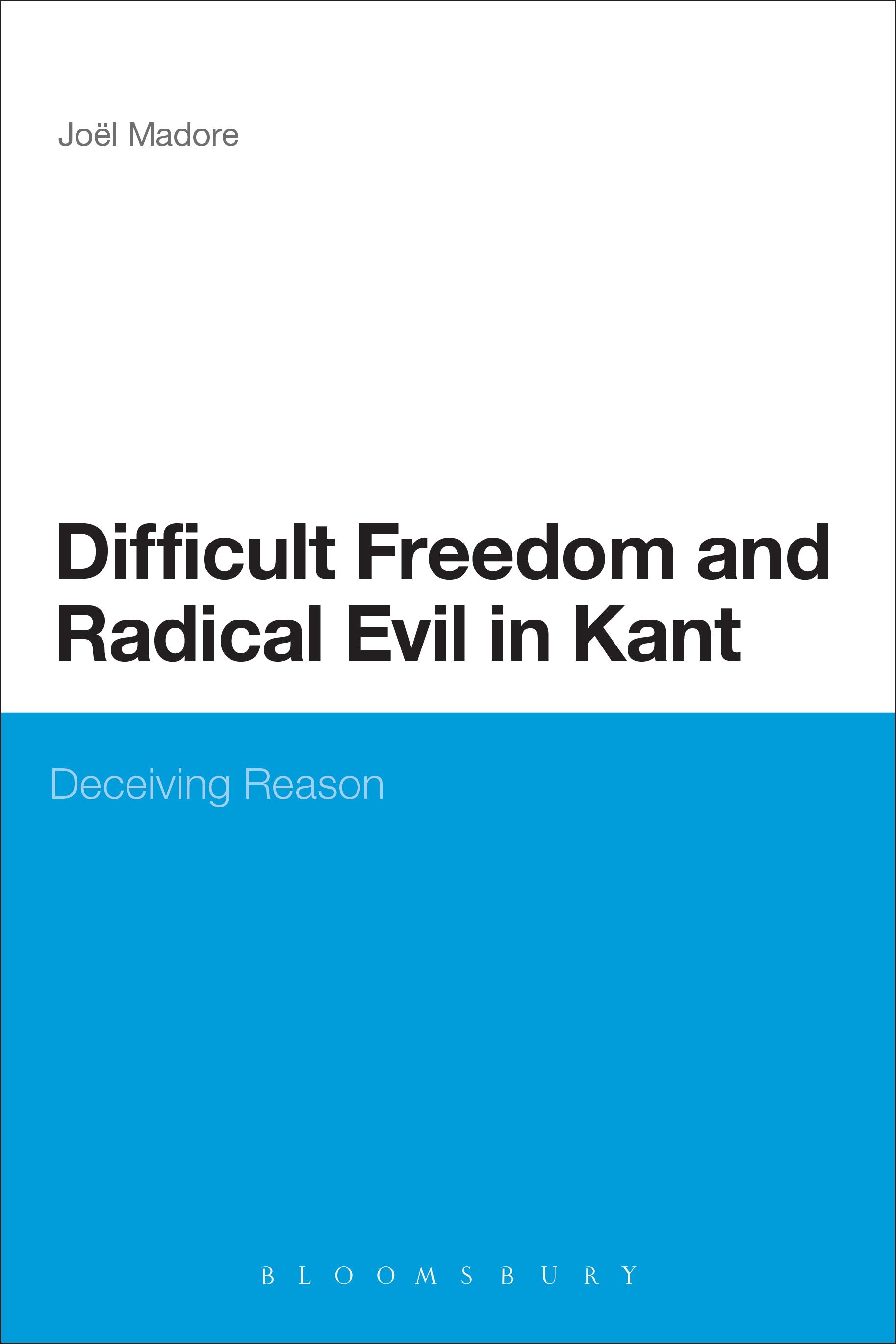
To speak of evil is to speak of a gap between what is and what should be. If classical approaches to this problem often relied on a religious or metaphysical framework to structure their response, Kant's answer is typically modern in that it places within the subject the means of its own moral regeneration. And yet from his first essays on ethics to later, more rigorous writings on the issue, Kant also admits an undeniable fallibility and inherent weakness to humanity.
This book explores this neglected existential side of Kant's work. It presents radical evil as vacillating between tragic and freedom, at the threshold of humanity. Through it's careful exegesis of the Kantian corpus, in gauging contemporary responses from both philosophical traditions, and by drawing from concrete examples of evil, the book offers a novel and accessible account of what is widely considered to be an intricate yet urgent problem of philosophy.
This book explores this neglected existential side of Kant's work. It presents radical evil as vacillating between tragic and freedom, at the threshold of humanity. Through it's careful exegesis of the Kantian corpus, in gauging contemporary responses from both philosophical traditions, and by drawing from concrete examples of evil, the book offers a novel and accessible account of what is widely considered to be an intricate yet urgent problem of philosophy.
Payez facilement par carte, Klarna, Apple Pay ou Google Pay. Pas satisfait ? Vous avez toujours une garantie de remboursement de 14 jours. En savoir plus dans nos conditions. Si vous avez des questions, envoyez-nous un e-mail à hello@memmo.org.
Memmo facilite tes études, où que tu sois dans le monde. On rassemble tes manuels de cours et des outils d'étude intelligents au même endroit : résumés, quiz, podcasts et flashcards. Et il y a Ted, ton compagnon d'étude qui répond à toutes tes questions. Plus de 50 000 étudiants étudient déjà ici – conçu pour t'aider à apprendre plus vite et à moins stresser.