
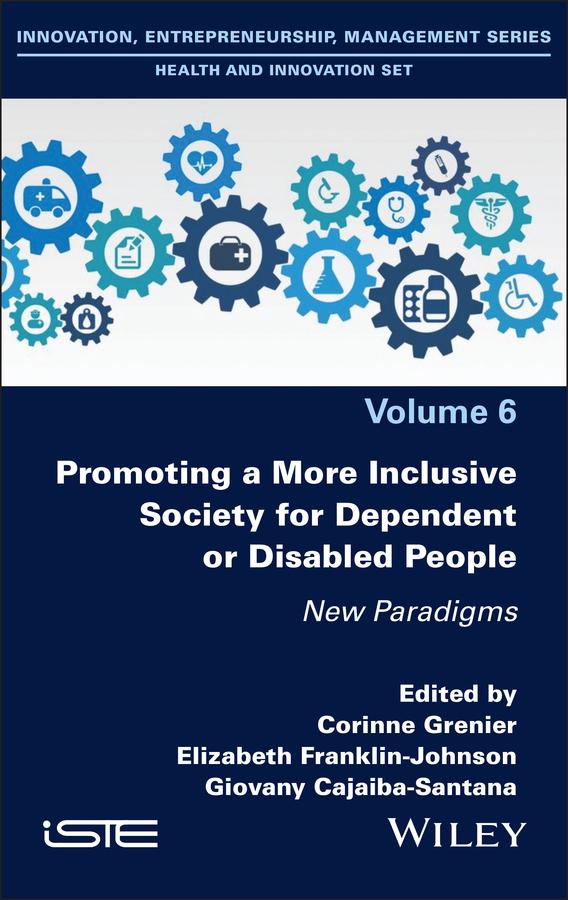
Promoting a more inclusive society for the elderly, people with disabilities and, more broadly, all of those in vulnerable situations, implies profound changes in the healthcare system in many countries.
This movement, known as “deinstitutionalization”, implies strengthening people’s participation in the decisions and activities that concern them, whether they live in an institution, in their ordinary environment, or in respect to their habits and life projects. The aim is to achieve social participation by considering the people we support as partners in our organizations, as genuine professional and institutional players who contribute to this transformation of the healthcare system.
This book brings together contributions from over 40 researchers from different countries (notably French-speaking and Canadian), as well as patients involved in research, experimentation or associations. These contributions examine the terminological and legal foundations of a more inclusive society – the different mechanisms, innovative forms of housing and ways of supporting the public and professionals in favor of inclusion – and the different models for animating territories, therefore fostering the community commitment of favoring inclusion.
This movement, known as “deinstitutionalization”, implies strengthening people’s participation in the decisions and activities that concern them, whether they live in an institution, in their ordinary environment, or in respect to their habits and life projects. The aim is to achieve social participation by considering the people we support as partners in our organizations, as genuine professional and institutional players who contribute to this transformation of the healthcare system.
This book brings together contributions from over 40 researchers from different countries (notably French-speaking and Canadian), as well as patients involved in research, experimentation or associations. These contributions examine the terminological and legal foundations of a more inclusive society – the different mechanisms, innovative forms of housing and ways of supporting the public and professionals in favor of inclusion – and the different models for animating territories, therefore fostering the community commitment of favoring inclusion.
Pages: 272
Catégorie: Samhällsvetenskap
e-ISBN: 9781394393596
Poids d'expédition: 1.2 kg
Expédié sous: 1-2 jours
Payez facilement par carte, Klarna, Apple Pay ou Google Pay. Pas satisfait ? Vous avez toujours une garantie de remboursement de 14 jours. En savoir plus dans nos conditions. Si vous avez des questions, envoyez-nous un e-mail à hello@memmo.org.
Memmo facilite tes études, où que tu sois dans le monde. On rassemble tes manuels de cours et des outils d'étude intelligents au même endroit : résumés, quiz, podcasts et flashcards. Et il y a Ted, ton compagnon d'étude qui répond à toutes tes questions. Plus de 50 000 étudiants étudient déjà ici – conçu pour t'aider à apprendre plus vite et à moins stresser.