
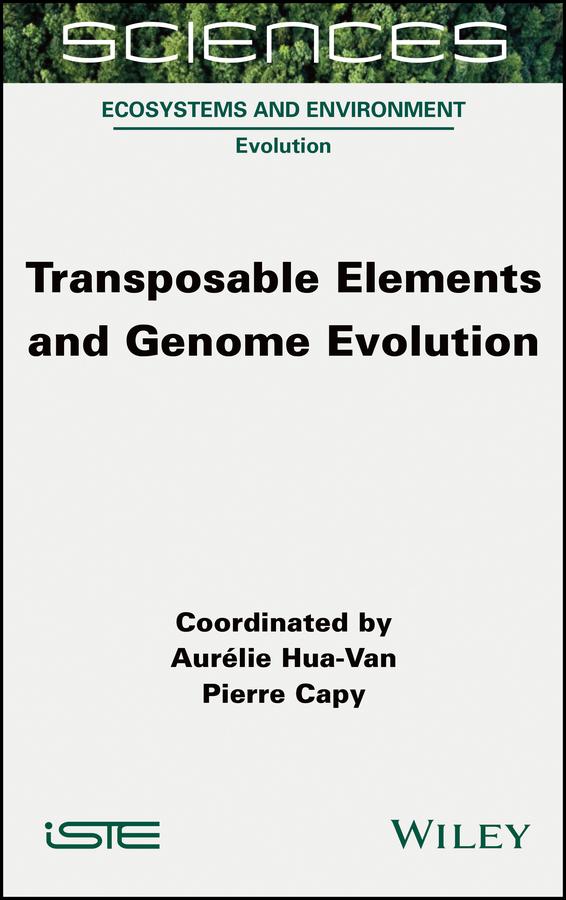
Since their discovery by Barbara McClintock in the mid-20th century, the importance of transposable elements in shaping the architecture, function and evolution of genomes has gradually been unveiled.
These DNA sequences populate nearly all genomes and are viewed as genomic parasites. They are mobile, capable of proliferating within genomes and also commonly travel between species.
These elements are mutagenic and are responsible for several human genetic disorders, but they also constitute a major source of genetic diversity. Some insertions have beneficial effects for the host and are selected for, giving rise to significant evolutionary innovations. Their dynamics within genomes are intricate, as are their interactions with other genome components. To limit their proliferation, the genome has evolved sophisticated defense mechanisms.
While researchers commonly use these elements as genetic tools, their identification in newly sequenced genomes remains a challenge due not only to their extensive diversity, but also their large copy numbers.
Payez facilement par carte, Klarna, Apple Pay ou Google Pay. Pas satisfait ? Vous avez toujours une garantie de remboursement de 14 jours. En savoir plus dans nos conditions. Si vous avez des questions, envoyez-nous un e-mail à hello@memmo.org.
Memmo facilite tes études, où que tu sois dans le monde. On rassemble tes manuels de cours et des outils d'étude intelligents au même endroit : résumés, quiz, podcasts et flashcards. Et il y a Ted, ton compagnon d'étude qui répond à toutes tes questions. Plus de 50 000 étudiants étudient déjà ici – conçu pour t'aider à apprendre plus vite et à moins stresser.