
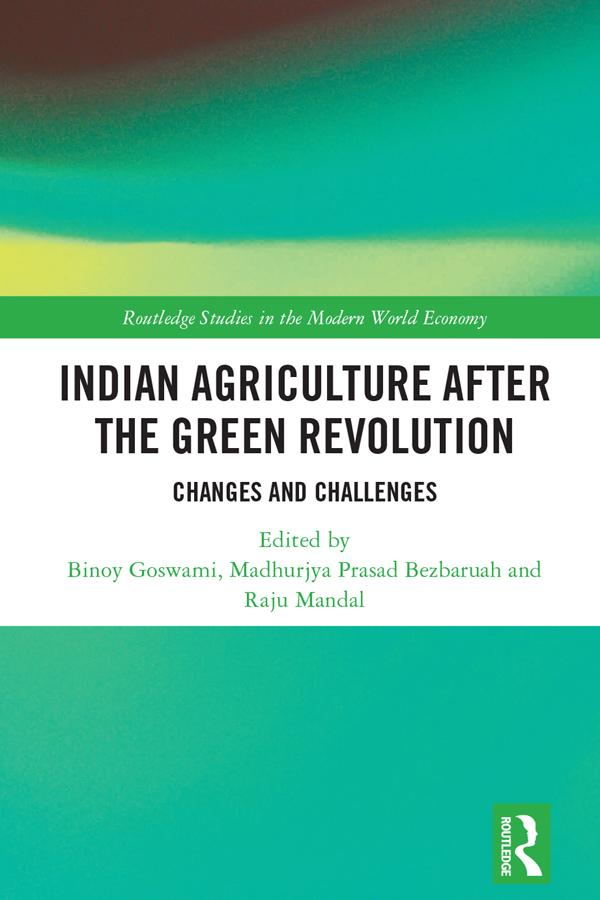
From a country plagued with chronic food shortage, the Green Revolution turned India into a food-grain self-sufficient nation within the decade of 1968-1978. By contrast, the decade of 1995-2005 witnessed a spate in suicides among farmers in many parts of the country. These tragic incidents were symptomatic of the severe stress and strain that the agriculture sector had meanwhile accumulated. The book recounts how the high achievements of the Green Revolution had overgrown to a state of this ‘agrarian crisis’. In the process, it also brings to fore the underlying resilience and innovativeness in the sector which enabled it not just to survive through the crisis but to evolve and revive out of it. The need of the hour is to create an environment that will enable the sector to acquire the robustness to contend with the challenges of lifting levels of farm income and coping with Climate Change. To this end, a multi-pronged intervention strategy has been suggested. Reviving public investment in irrigation, tuning agrarian institutions to the changed context, strengthening of market institution for better farm-market linkage and financial access of farmers, and preparing the ground for ushering in technological innovations should form the major components of this policy paradigm.
Payez facilement par carte, Klarna, Apple Pay ou Google Pay. Pas satisfait ? Vous avez toujours une garantie de remboursement de 14 jours. En savoir plus dans nos conditions. Si vous avez des questions, envoyez-nous un e-mail à hello@memmo.org.
Memmo facilite tes études, où que tu sois dans le monde. On rassemble tes manuels de cours et des outils d'étude intelligents au même endroit : résumés, quiz, podcasts et flashcards. Et il y a Ted, ton compagnon d'étude qui répond à toutes tes questions. Plus de 50 000 étudiants étudient déjà ici – conçu pour t'aider à apprendre plus vite et à moins stresser.