
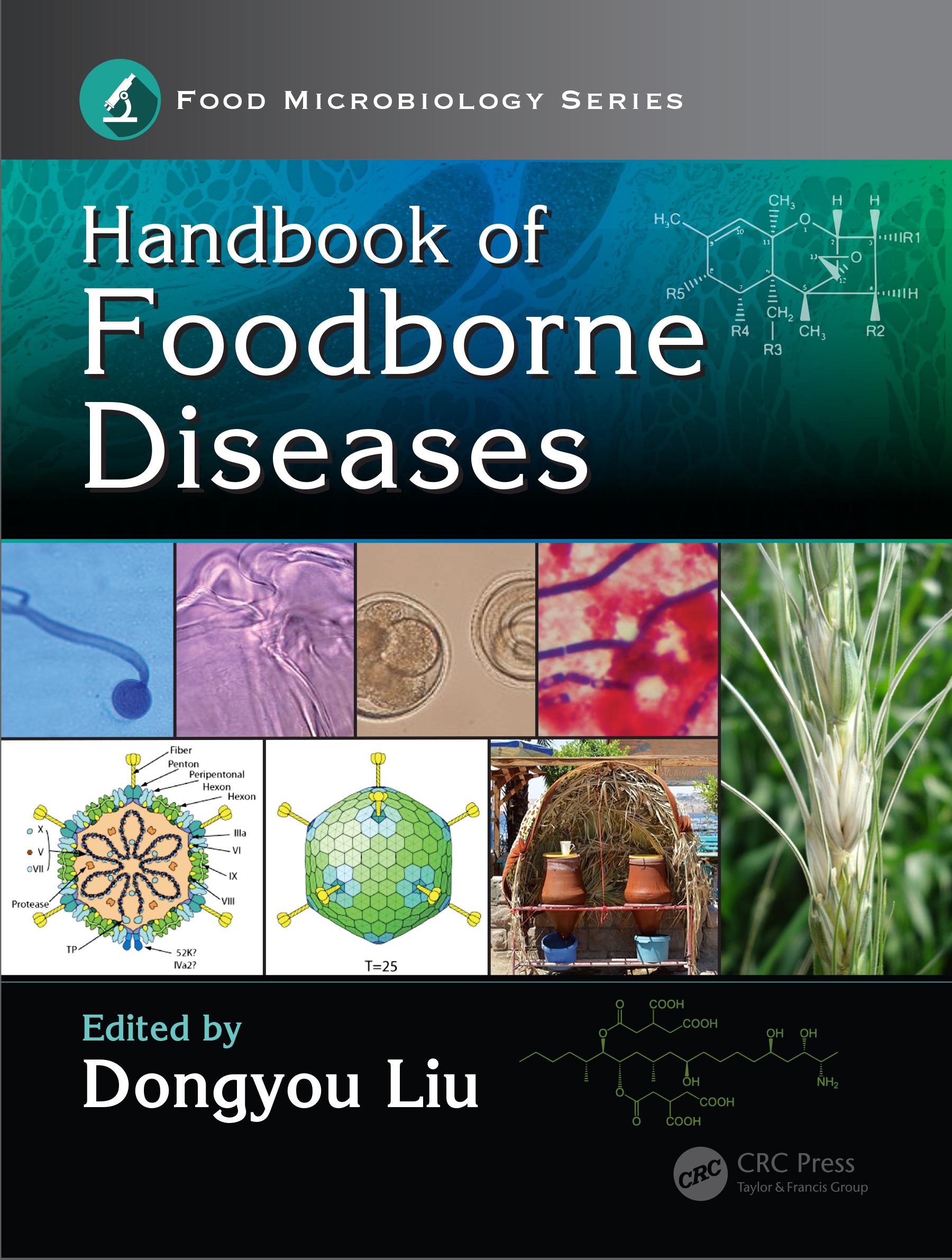
Clearly linked to consumption of foods, beverages, and drinking water that contain pathogenic microbes, toxins, or other toxic agents, foodborne diseases have undergone a remarkable change of fortune in recent decades, from once rare and insignificant malaises to headline-grabbing and deadly outbreaks. Unquestionably, several factors have combined to make this happen. These include a prevailing demand for the convenience of ready-to-eat or heat-and-eat manufactured food products that allow ready entry and survival of some robust, temperature-insensitive microorganisms; a drastic reduction in the costs of air, sea, and road transportation that has taken some pathogenic microorganisms to where they were absent previously; an expanding world population that has stretched the boundary of human activity; and an ageing population whose weakened immune functions provide a fertile ground for opportunistic pathogens to invade and thrive.
Given the diversity of causative agents (ranging from viruses, bacteria, yeasts, filamentous fungi, protozoa, helminthes, toxins, to toxic agents), and the ingenuity of pathogenic microbes to evolve through genetic reassortment, horizontal gene transfer, and/or random genetic mutation, it has become an enormous challenge to understand how foodborne agents are able to evade host immune defenses and induce diseases, and also to develop and apply innovative approaches for improved diagnosis, treatment, and prevention of foodborne diseases.
Handbook of Foodborne Diseases summarizes the latest findings on more than 100 foodborne diseases and their causative agents. With contributions from international experts on foodborne pathogens, toxins, and toxic agents research, this volume provides state-of-the-art overviews on foodborne diseases in relation to their etiology, biology, epidemiology, clinical presentation, pathogenesis, diagnosis, treatment, and prevention. Apart from offering a comprehensive textbook for undergraduate and postgraduate students in food, medical, and veterinary microbiology, this volume constitutes a valuable reference on foodborne diseases for medical professionals and health authorities, and forms an informative educational resource for the general public.
Payez facilement par carte, Klarna, Apple Pay ou Google Pay. Pas satisfait ? Vous avez toujours une garantie de remboursement de 14 jours. En savoir plus dans nos conditions. Si vous avez des questions, envoyez-nous un e-mail à hello@memmo.org.
Memmo facilite tes études, où que tu sois dans le monde. On rassemble tes manuels de cours et des outils d'étude intelligents au même endroit : résumés, quiz, podcasts et flashcards. Et il y a Ted, ton compagnon d'étude qui répond à toutes tes questions. Plus de 50 000 étudiants étudient déjà ici – conçu pour t'aider à apprendre plus vite et à moins stresser.