
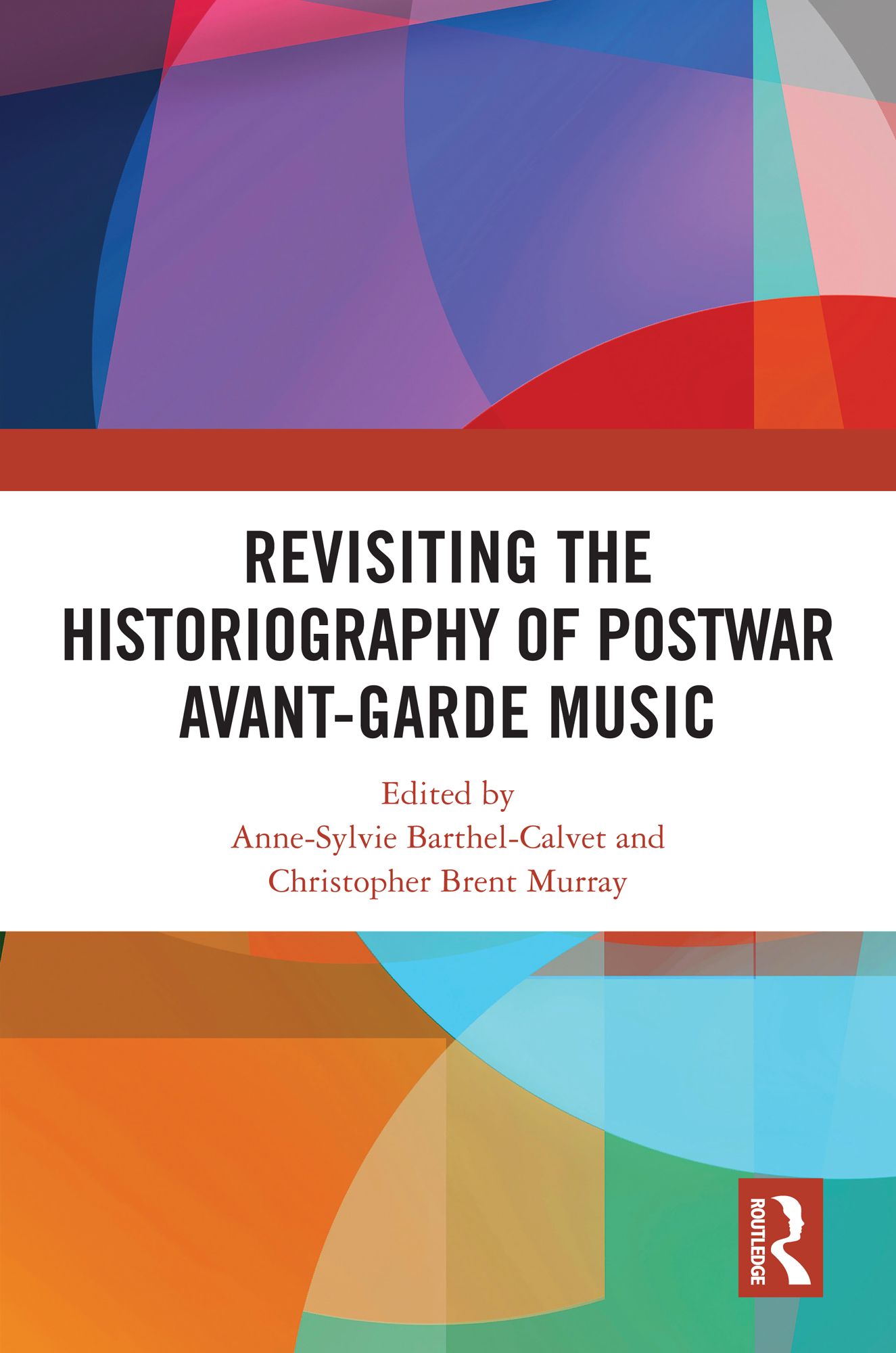
This collection of essays delves into the historiographical traditions that have dominated how the stories of European postwar avant-garde music are told, seeking to approach commonplaces of that history writing from new perspectives. The contributors revisit subjects as varied as the impact of long-playing records on the emergence of open works, Messiaen’s interest in non-European musical traditions, Xenakis’s turn to information theory, Kagel’s strategic invention of a new genre, Berio’s dependence on funding from American foundations, and the ways in which figures like Boulez, Stockhausen, Pousseur, and Nono constructed their musical ancestries. Leading experts in their respective fields, the volume’s authors have sought to rethink the historiography of European experimental music of the 1950s, 1960s, and 1970s in ways that resituate that small but influential milieu in broader historical and cultural contexts. In doing so, they suggest new directions and insights for students and specialists of twentieth-century music and music historiography.
Payez facilement par carte, Klarna, Apple Pay ou Google Pay. Pas satisfait ? Vous avez toujours une garantie de remboursement de 14 jours. En savoir plus dans nos conditions. Si vous avez des questions, envoyez-nous un e-mail à hello@memmo.org.
Memmo facilite tes études, où que tu sois dans le monde. On rassemble tes manuels de cours et des outils d'étude intelligents au même endroit : résumés, quiz, podcasts et flashcards. Et il y a Ted, ton compagnon d'étude qui répond à toutes tes questions. Plus de 50 000 étudiants étudient déjà ici – conçu pour t'aider à apprendre plus vite et à moins stresser.