
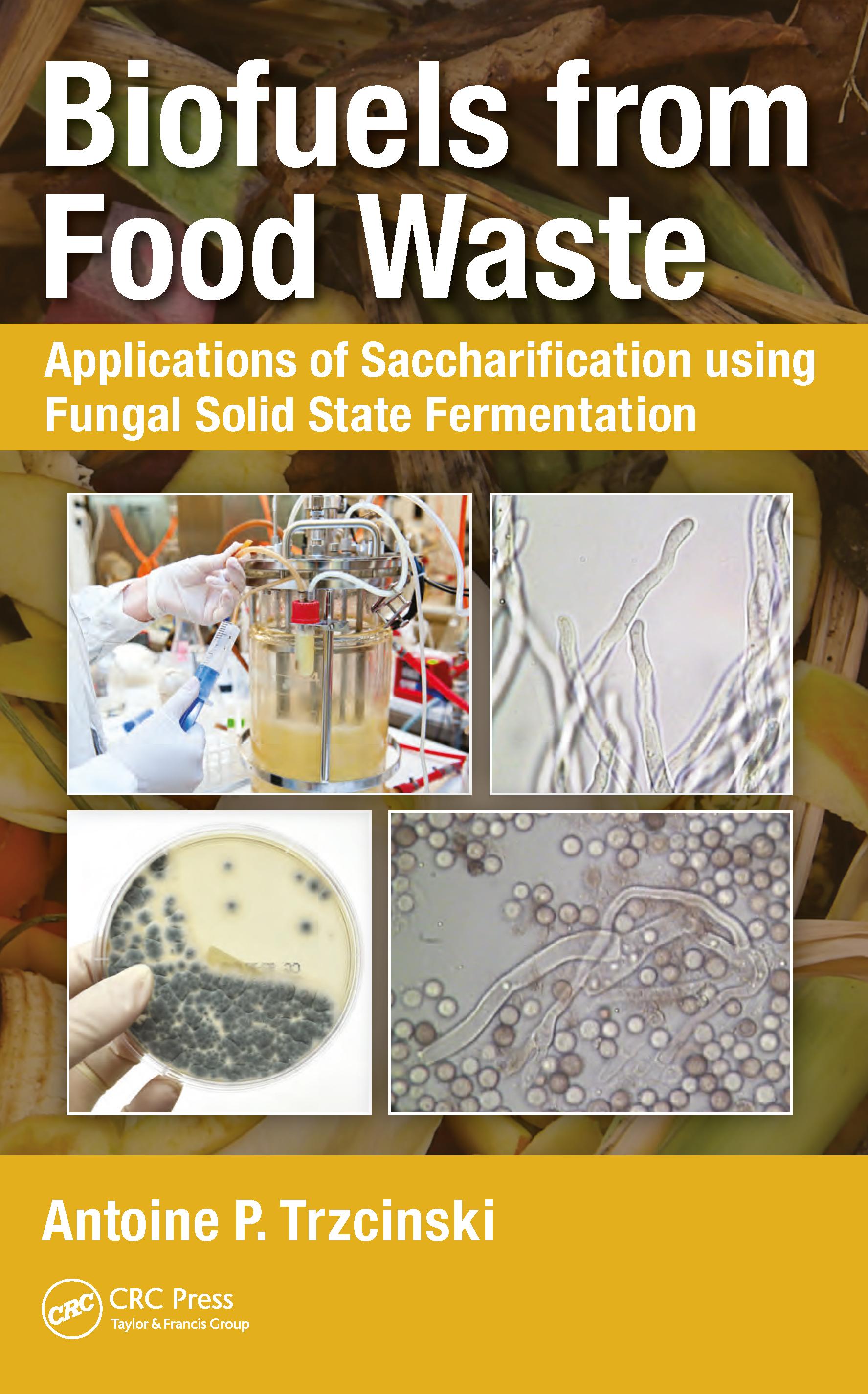
According to the UN's Food & Agricultural Organization (FAO), one third of food produced globally for human consumption (nearly 1.3 billion tons) is lost annually. Food waste has often been incinerated with other combustible municipal wastes for possible recovery of heat or other forms of energy, however, incineration is not cost-effective, and can cause air pollution. Due to its organics- and nutrient-rich nature, food waste could be viewed as a useful resource for production of high-value platform chemicals through fermentation. This book examines the bioconversion of food wastes to energy and the recent developments in ethanol, hydrogen, methane, and biodiesel production from food wastes.
Payez facilement par carte, Klarna, Apple Pay ou Google Pay. Pas satisfait ? Vous avez toujours une garantie de remboursement de 14 jours. En savoir plus dans nos conditions. Si vous avez des questions, envoyez-nous un e-mail à hello@memmo.org.
Memmo facilite tes études, où que tu sois dans le monde. On rassemble tes manuels de cours et des outils d'étude intelligents au même endroit : résumés, quiz, podcasts et flashcards. Et il y a Ted, ton compagnon d'étude qui répond à toutes tes questions. Plus de 50 000 étudiants étudient déjà ici – conçu pour t'aider à apprendre plus vite et à moins stresser.