
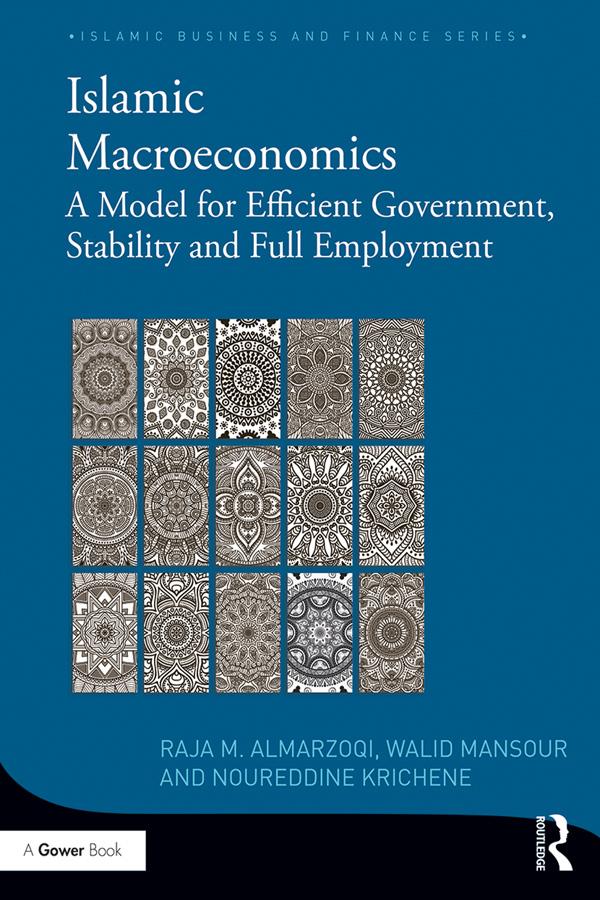
Islamic Macroeconomics proposes an Islamic model that offers significant prospects for economic growth and durable macroeconomic stability, and which is immune to the defects of the economic models prevailing both in developed and developing countries. An Islamic model advocates a limited government confined to its natural duties of defence, justice, education, health, infrastructure, regulation, and welfare of the vulnerable population. It prohibits interest-based debt and money, and requires full liberalization of all markets including labor, financial, commodity, trade, and foreign exchange markets. The government should be Sharia-compliant in its taxation power and regulatory intervention; it ought to reduce unproductive spending in favor of productive spending.
This book is essential reading for students and academics of Islamic economics and finance, economists, practitioners, and researchers.
Payez facilement par carte, Klarna, Apple Pay ou Google Pay. Pas satisfait ? Vous avez toujours une garantie de remboursement de 14 jours. En savoir plus dans nos conditions. Si vous avez des questions, envoyez-nous un e-mail à hello@memmo.org.
Memmo facilite tes études, où que tu sois dans le monde. On rassemble tes manuels de cours et des outils d'étude intelligents au même endroit : résumés, quiz, podcasts et flashcards. Et il y a Ted, ton compagnon d'étude qui répond à toutes tes questions. Plus de 50 000 étudiants étudient déjà ici – conçu pour t'aider à apprendre plus vite et à moins stresser.