
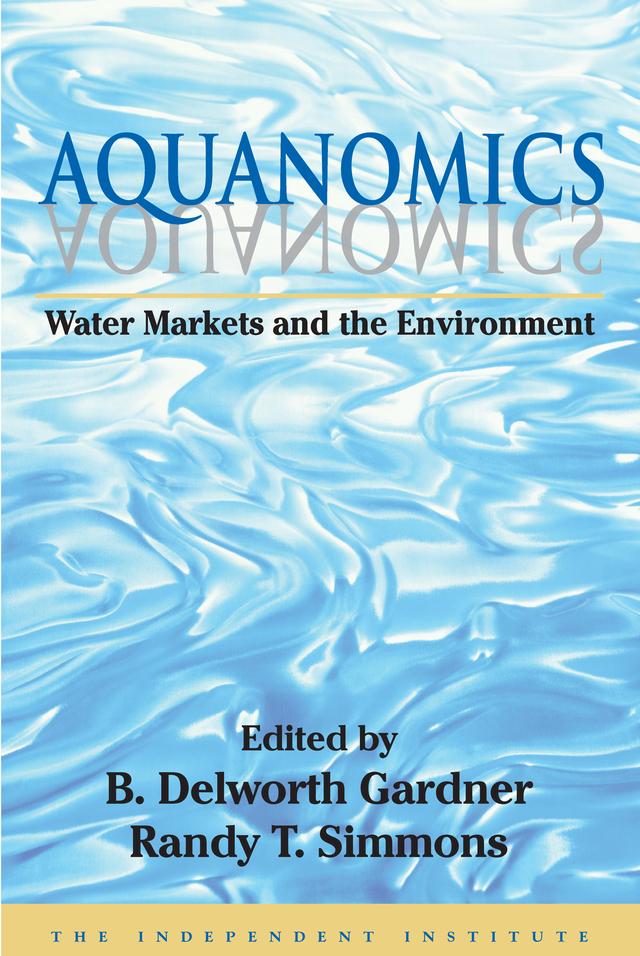
Water is becoming increasingly scarce. If recent usage trends continue, shortages are inevitable. Aquanomics discusses some of the instruments and policies that may be implemented to postpone, or even avoid, the onset of water crises. These policies include establishing secure and transferable private water rights and extending these rights to uses that traditionally have not been allowed, including altering in-stream flows and ecosystem functions. The editors argue that such policies will help maximize water quantity and quality as water becomes scarcer and more valuable. Aquanomics contains many examples of how this is being accomplished, particularly in the formation of water markets and market-like exchanges of water rights.Many observers see calamity ahead unless water supplies are harnessed and effectively conserved, and unless water quality can be improved. It is also clear that declining water quality is a serious problem in much of the world, as increasing human activities induce high levels of water degradation. Those who voice these concerns, argue the contributors to this volume, fail to consider the forces for improvement inherent in market political-economic systems that can address water issues. The contributors see water quality in economically advanced countries as improving, and they believe this establishes the validity of market-based approaches.
Payez facilement par carte, Klarna, Apple Pay ou Google Pay. Pas satisfait ? Vous avez toujours une garantie de remboursement de 14 jours. En savoir plus dans nos conditions. Si vous avez des questions, envoyez-nous un e-mail à hello@memmo.org.
Memmo facilite tes études, où que tu sois dans le monde. On rassemble tes manuels de cours et des outils d'étude intelligents au même endroit : résumés, quiz, podcasts et flashcards. Et il y a Ted, ton compagnon d'étude qui répond à toutes tes questions. Plus de 50 000 étudiants étudient déjà ici – conçu pour t'aider à apprendre plus vite et à moins stresser.
Tu pourrais aussi aimer
Acheter le livre0