
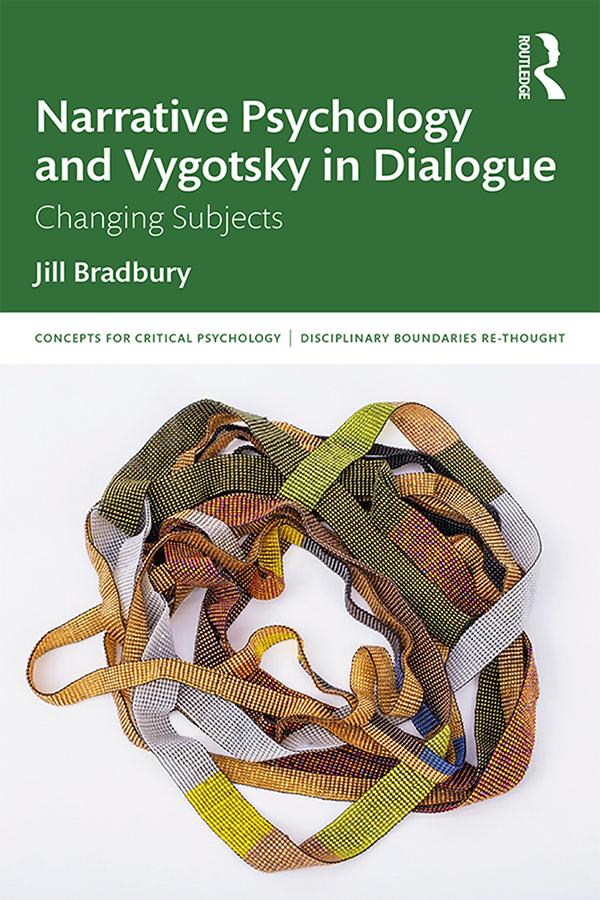
This book draws together two domains of psychological theory, Vygotsky’s cultural-historical theory of cognition and narrative theories of identity, to offer a way of rethinking the human subject as embodied, relational and temporal. A dialogue between these two ostensibly disparate and contested theoretical trajectories provides a new vantage point from which to explore questions of personal and political change.
In a world of deepening inequalities and increasing economic precarity, the demand for free, decolonised quality education as articulated by the South African Student Movement and in many other contexts around the world, is disrupting established institutional practices and reinvigorating possibilities for change. This context provokes new lines of hopeful thought and critical reflection on (dis)continuities across historical time, theories of (social and psychological) developmental processes and the practices of intergenerational life, particularly in the domain of education, for the making of emancipatory futures.
This is essential reading for academics and students interested in Vygotskian and narrative theory and critical psychology, as well as those interested in the politics and praxis of higher education.
Payez facilement par carte, Klarna, Apple Pay ou Google Pay. Pas satisfait ? Vous avez toujours une garantie de remboursement de 14 jours. En savoir plus dans nos conditions. Si vous avez des questions, envoyez-nous un e-mail à hello@memmo.org.
Memmo facilite tes études, où que tu sois dans le monde. On rassemble tes manuels de cours et des outils d'étude intelligents au même endroit : résumés, quiz, podcasts et flashcards. Et il y a Ted, ton compagnon d'étude qui répond à toutes tes questions. Plus de 50 000 étudiants étudient déjà ici – conçu pour t'aider à apprendre plus vite et à moins stresser.