
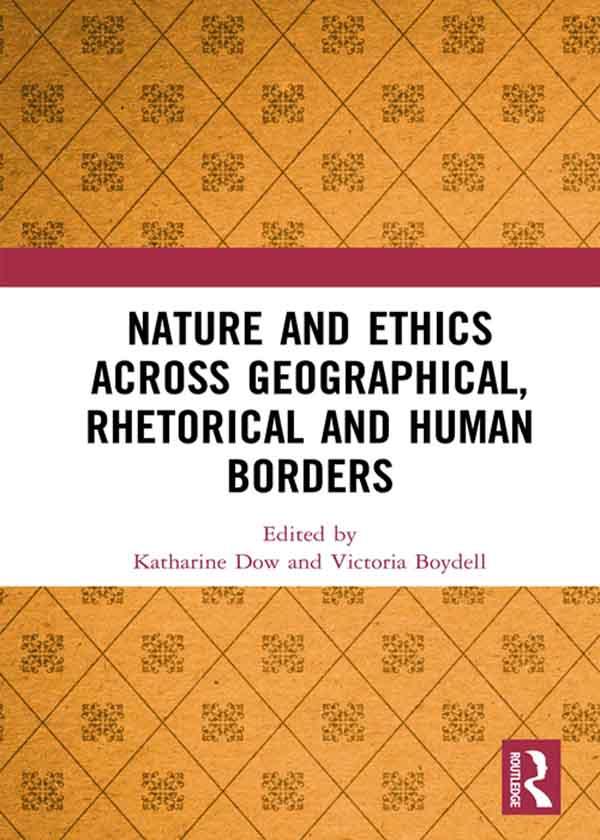
How we dispose of our rubbish, choose the foods we buy, enjoy art, relate to our families, and think about ourselves are just a few of the ways that ideas about nature shape our everyday ethical decisions. Nature and ‘natural facts’ have long been used to make sense of why we act a certain way. Nature is a concept with great power: when we describe something as ‘natural’ or ‘unnatural’, it has a moral force and political consequences. We see this in moral panics about genetically modified foods, the spread of government-enforced waste recycling schemes, concerns about assisted reproductive technologies. Our ideas about what is natural shape our ethical thinking, in terms of how people live (or want to live) their lives, but also in guiding our sense of morality, justice and truth.
The idea of naturalness is essential to grasping Anglo-American cultures. Throughout history and in different places, nature has had different forms, meanings, and moral valences. It is a knowable fact, but at the same time almost a divine principle that is ultimately unfathomable. Yet with the rise of new technologies, there is increasing uncertainty about what we claim to be natural, who we are, how we are related to each other, and how we should live.
This book examines the how ideas about nature and ethics overlap and separate across cultural, species, geographic, and moral boundaries. It compares the varied ways in which nature and ideas of naturalness pervade all aspects of people’s lives, from family relationships, to the production and consumption of food, to ideas about scientific truth. In a world of increasing uncertainty, nature remains a powerful concept: the ultimate reference point, invested with profound moral authority to guide our ethical behaviour. This book was originally published as a special issue of Ethnos.
Payez facilement par carte, Klarna, Apple Pay ou Google Pay. Pas satisfait ? Vous avez toujours une garantie de remboursement de 14 jours. En savoir plus dans nos conditions. Si vous avez des questions, envoyez-nous un e-mail à hello@memmo.org.
Memmo facilite tes études, où que tu sois dans le monde. On rassemble tes manuels de cours et des outils d'étude intelligents au même endroit : résumés, quiz, podcasts et flashcards. Et il y a Ted, ton compagnon d'étude qui répond à toutes tes questions. Plus de 50 000 étudiants étudient déjà ici – conçu pour t'aider à apprendre plus vite et à moins stresser.