
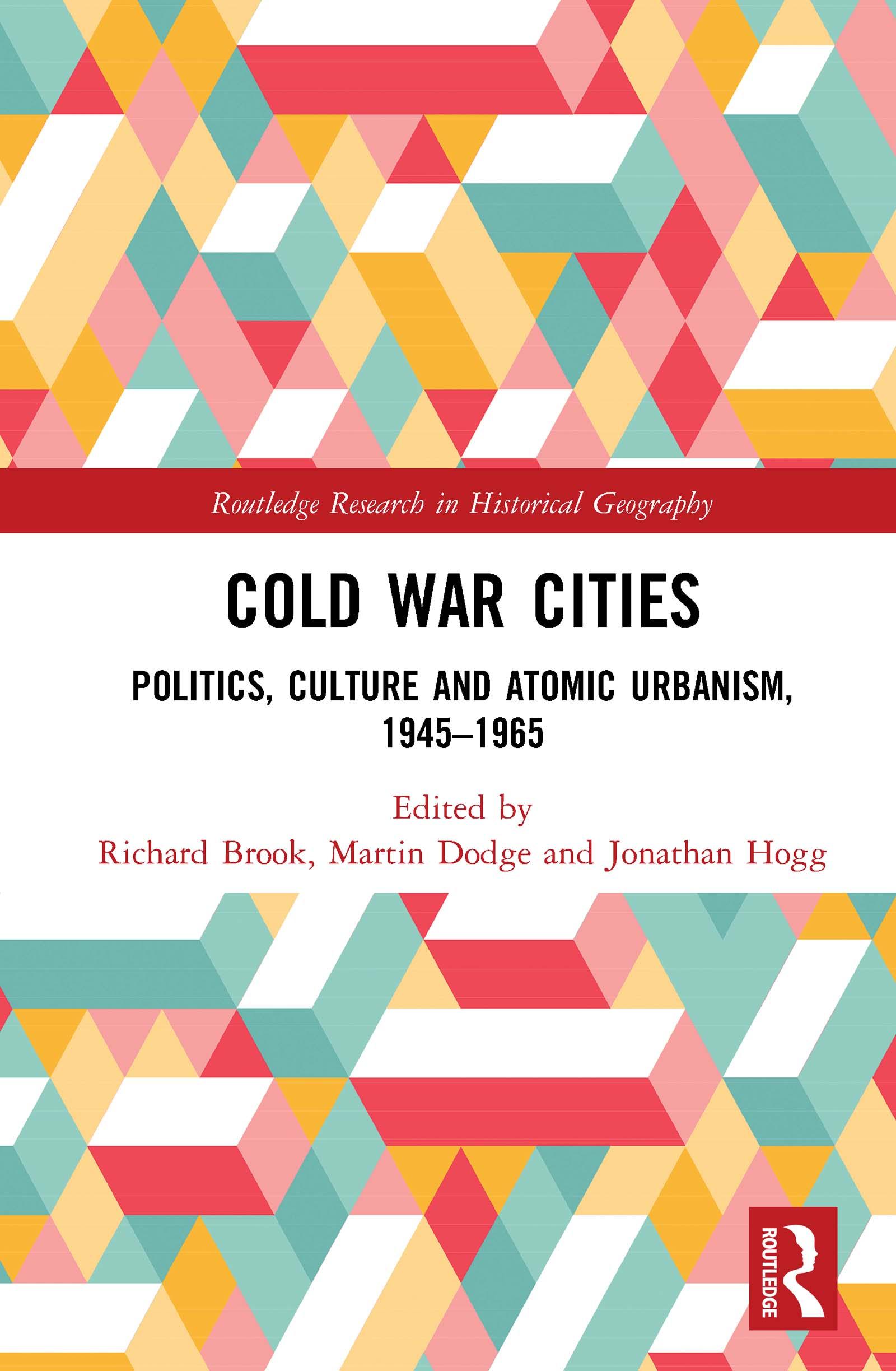
This book examines the impact of the Cold War in a global context and focuses on city-scale reactions to the atomic warfare. It explores urbanism as a weapon to combat the dangers of the communist intrusion into the American territories and promote living standards for the urban poor in the US cities.
The Cold War saw the birth of ‘atomic urbanisation’, central to which were planning, politics and cultural practices of the newly emerged cities. This book examines cities in the Arctic, Europe, Asia and Australasia in detail to reveal how military, political, resistance and cultural practices impacted on the spaces of everyday life. It probes questions of city planning and development, such as: How did the threat of nuclear war affect planning at a range of geographic scales? What were the patterns of the built environment, architectural forms and material aesthetics of atomic urbanism in difference places? And, how did the ‘Bomb’ manifest itself in civic governance, popular media, arts and academia? Understanding the age of atomic urbanism can help meet the contemporary challenges that cities are facing.
The book delivers a new dimension to the existing debates of the ideologically opposed superpowers and their allies, their hemispherical geopolitical struggles, and helps to understand decades of growth post-Second World War by foregrounding the Cold War.
Payez facilement par carte, Klarna, Apple Pay ou Google Pay. Pas satisfait ? Vous avez toujours une garantie de remboursement de 14 jours. En savoir plus dans nos conditions. Si vous avez des questions, envoyez-nous un e-mail à hello@memmo.org.
Memmo facilite tes études, où que tu sois dans le monde. On rassemble tes manuels de cours et des outils d'étude intelligents au même endroit : résumés, quiz, podcasts et flashcards. Et il y a Ted, ton compagnon d'étude qui répond à toutes tes questions. Plus de 50 000 étudiants étudient déjà ici – conçu pour t'aider à apprendre plus vite et à moins stresser.