
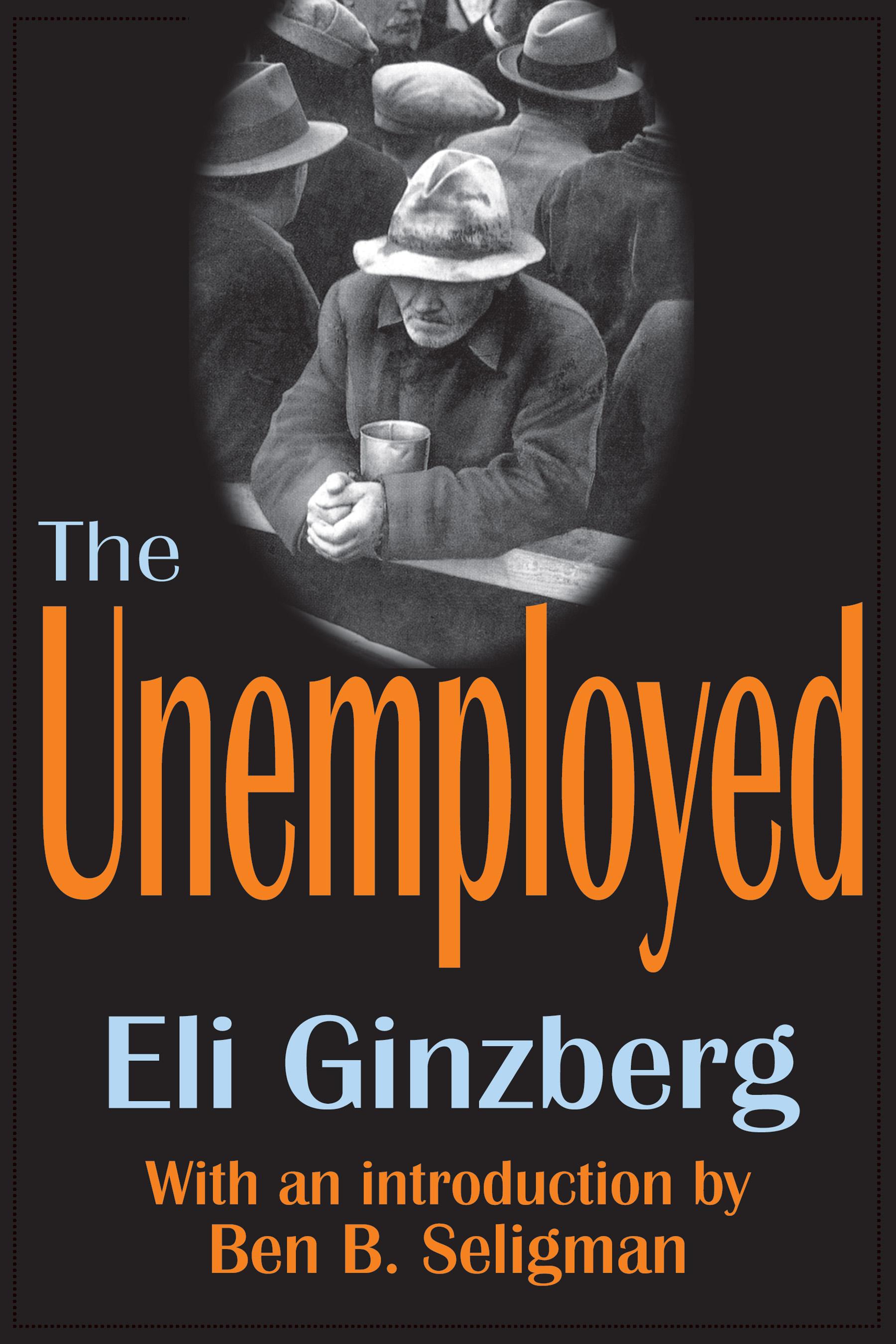
This classic study of the effect of unemployment and of the ways of relieving it upon actual, typical families of the 1930s and 1940s is a vivid, startling picture of the demoralizing influence and consequences of America's relief policies during the Depression years. The study comprises an incisive interpretation of the problem and a series of absorbing human interest stories of representative families on relief cases selected from experiences of relief, including the records of families from various religious groups in an exhaustive study conducted in New York City.
Most research on unemployment of the 1930s conspicuously lacks studies of the unemployed themselves. Yet, this is the crux of the matter necessary to truly understand the cbnsequences of unemployment then and now, so as to deal with it intelligently and efficiently. This book deals with what employment does to people. It answers important questions about the unemployed that are rarely asked. Who are they? Did they fail to earn a living even in prosperous times? What precipitated their unemployment? Do they prefer relief to work? Did unemployment bring about changes in how they think and feel? This is a volume of continuing relevance, and will be of interest to legislators, economists, social scientists, social workers, and psychologists.
Payez facilement par carte, Klarna, Apple Pay ou Google Pay. Pas satisfait ? Vous avez toujours une garantie de remboursement de 14 jours. En savoir plus dans nos conditions. Si vous avez des questions, envoyez-nous un e-mail à hello@memmo.org.
Memmo facilite tes études, où que tu sois dans le monde. On rassemble tes manuels de cours et des outils d'étude intelligents au même endroit : résumés, quiz, podcasts et flashcards. Et il y a Ted, ton compagnon d'étude qui répond à toutes tes questions. Plus de 50 000 étudiants étudient déjà ici – conçu pour t'aider à apprendre plus vite et à moins stresser.