
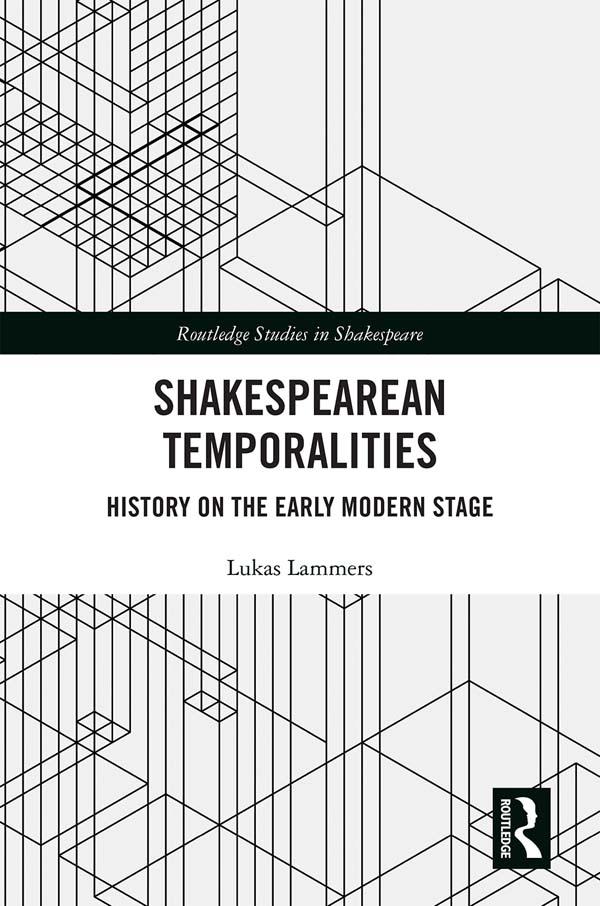
Shakespearean Temporalities addresses a critical neglect in Early Modern Performance and Shakespeare Studies, revising widely prevailing and long-standing assumptions about the performance and reception of history on the early modern stage. Demonstrating that theatre, at the turn of the seventeenth century, thrived on an intense fascination with perceived tensions between (medieval) past and (early modern) present, this volume uncovers a dimension of historical drama that has been largely neglected due to a strong focus on nationhood and a predilection for ‘topical’ readings. It moreover reassesses genre conventions by venturing beyond the threshold of the supposed "death of the history play," in 1603.
Closely analysing a broad range of Shakespeare’s historical drama, it explores the dramatic techniques that allow the theatre to perform historical distance. An experience of historical contingency through an immersion in a world ontologically related yet temporally removed is thus revealed as a major appeal of historical drama and a striking aspect of Shakespeare’s history plays. With a focus on performance, the experience of playgoers, and the dynamics that resulted from the collective production of dramatic historiography by competing companies, the book offers the first analysis of what can be referred to as Shakespeare’s dramaturgy of historical temporality.
Payez facilement par carte, Klarna, Apple Pay ou Google Pay. Pas satisfait ? Vous avez toujours une garantie de remboursement de 14 jours. En savoir plus dans nos conditions. Si vous avez des questions, envoyez-nous un e-mail à hello@memmo.org.
Memmo facilite tes études, où que tu sois dans le monde. On rassemble tes manuels de cours et des outils d'étude intelligents au même endroit : résumés, quiz, podcasts et flashcards. Et il y a Ted, ton compagnon d'étude qui répond à toutes tes questions. Plus de 50 000 étudiants étudient déjà ici – conçu pour t'aider à apprendre plus vite et à moins stresser.