
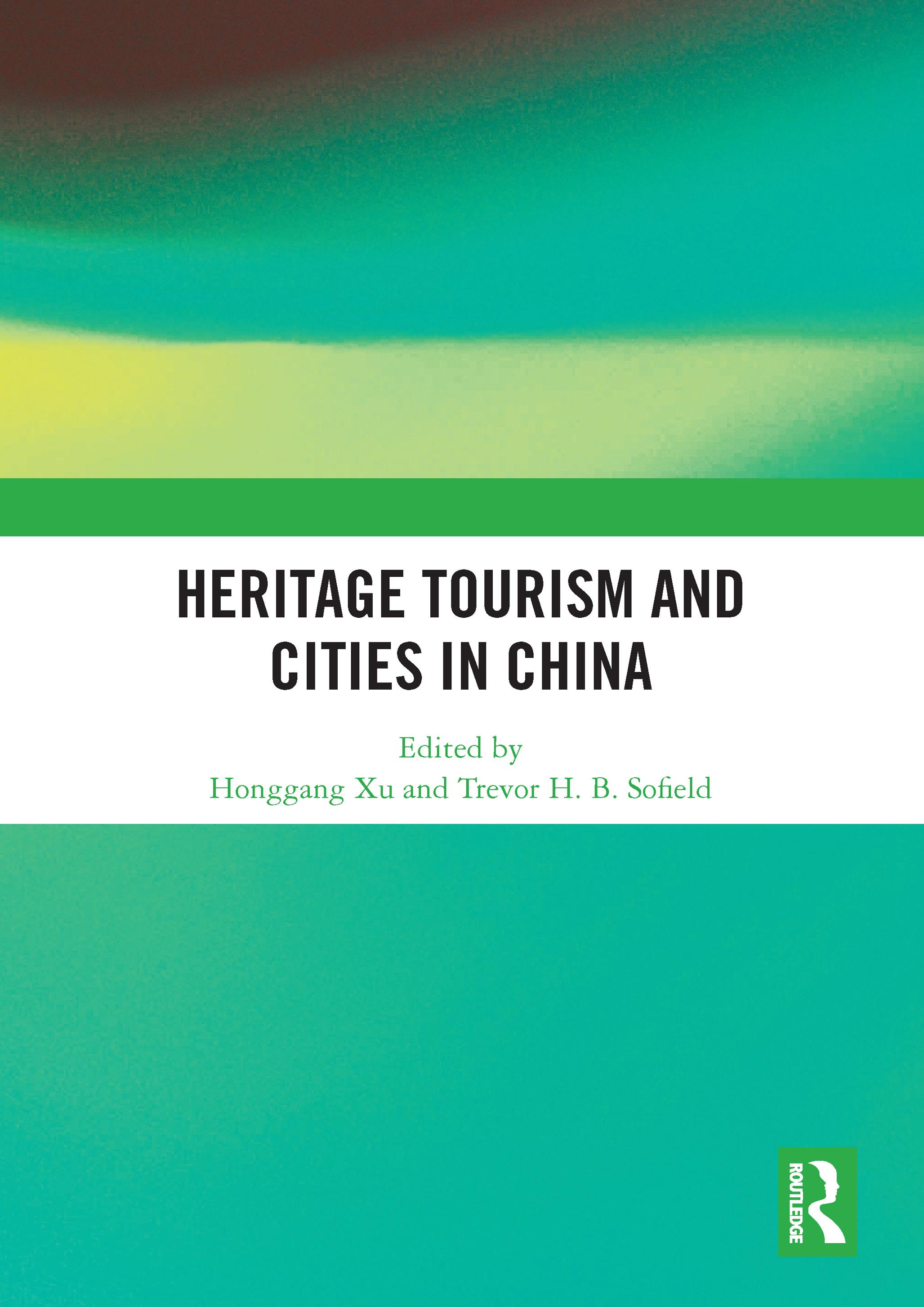
China has surged into the 21st century as one of the most rapidly modernizing countries in the world. Its burgeoning cities reflect this extraordinary growth with a dazzling array of new architectural forms and designs. In its transformation, the 5000-year old heritage of its built civilization, embedded in its villages, towns and cities, has often been replaced. The Chinese Government, aware of the value of this heritage, has in recent years taken concrete steps to conserve and preserve not just national icons such as the Forbidden Palace in Beijing, the Great Wall of China and the Grey Goose Pagoda in Xian but also the more general historic fabric of its urban development over the centuries. The challenges are great, particularly as population growth and rural-urban drift have combined to place enormous pressure on city resources. The chapters in this book explore these challenges as well as analysing other institutional, cultural, social and economic issues related to urban heritage conservation and utilization, with a focus on the role of tourism in reinforcing conservation values by finding new uses for old buildings and districts. This book covers new areas of heritage tourism research in Chinese cities.
The chapters were originally published in a special issue of the Journal of Heritage Tourism.
Payez facilement par carte, Klarna, Apple Pay ou Google Pay. Pas satisfait ? Vous avez toujours une garantie de remboursement de 14 jours. En savoir plus dans nos conditions. Si vous avez des questions, envoyez-nous un e-mail à hello@memmo.org.
Memmo facilite tes études, où que tu sois dans le monde. On rassemble tes manuels de cours et des outils d'étude intelligents au même endroit : résumés, quiz, podcasts et flashcards. Et il y a Ted, ton compagnon d'étude qui répond à toutes tes questions. Plus de 50 000 étudiants étudient déjà ici – conçu pour t'aider à apprendre plus vite et à moins stresser.