
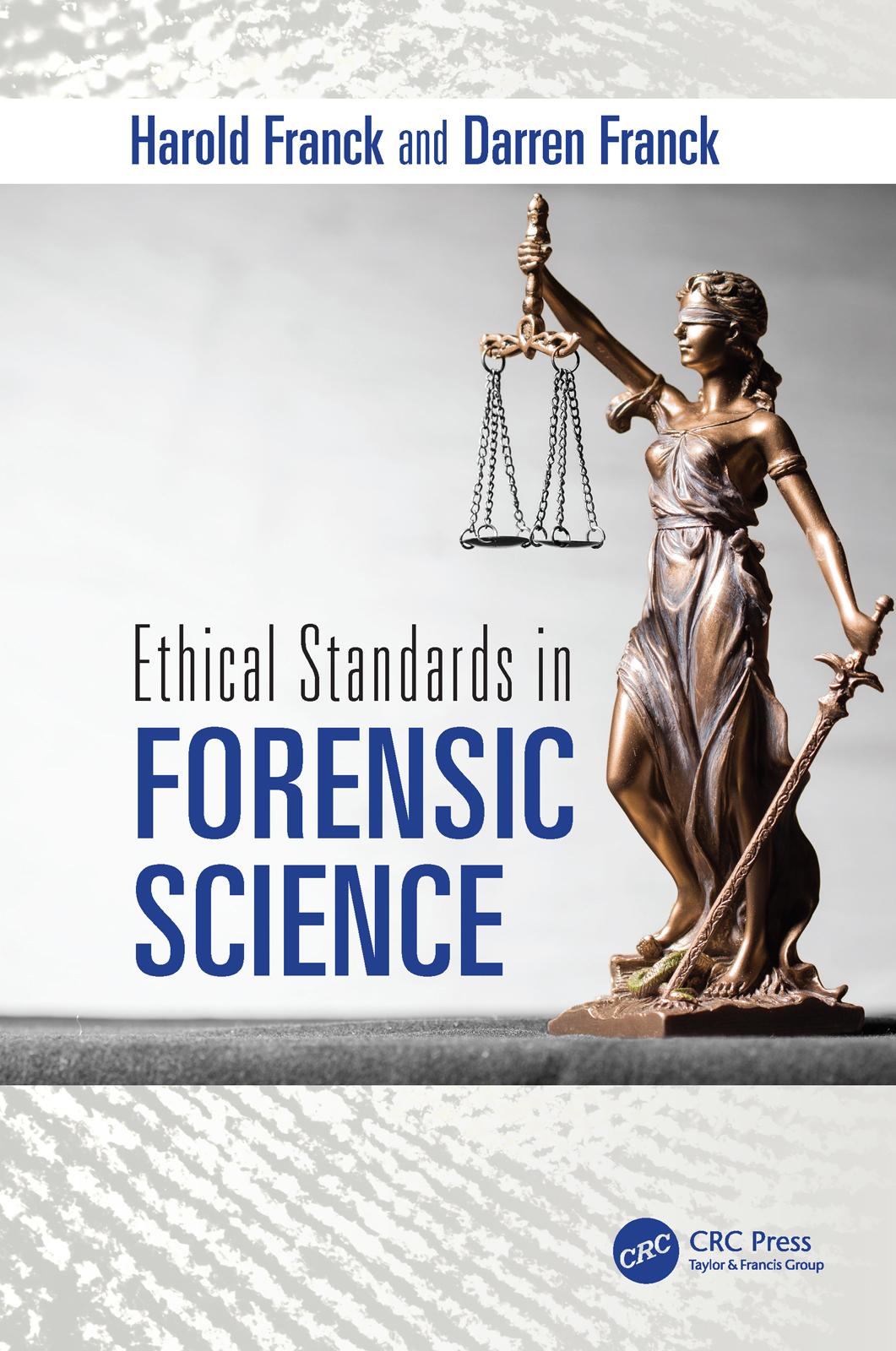
Ethical Standards in Forensic Science seeks to address the myriad practices in forensic science for a variety of evidence and analyses. The book looks at ethics, bias, what constitutes an expert in the field—both as a practitioner and to the court system—as well as the standards of practice as purported by the top forensic organizations. Coverage addresses evidence collection, chain of custody, real versus "junk" science, the damage questionable science can cause to a discipline and the judicial process, testing methods, report writing, and expert witness testimony in civil and criminal cases in a court of law.
The authors’ background in engineering provides a unique perspective on a variety of evidence and testing methods. As such, in addition to coverage the range of evidence and topics cited in the 2009 National Academy of Sciences (NAS) Report, they address numerous challenges that have arisen specifically in forensic engineering cases—their specific area of expertise. Numerous case example are provided to illustrate the inherent danger of bias, inexact science, or expert witnesses taking dangerous and harmful liberties on the stand. Students, lawyers, and professionals in all forensic disciplines will find this a refreshing and accessible approach to elucidate the problem and offer suggestions for reform and change for the good of the entire profession.
Payez facilement par carte, Klarna, Apple Pay ou Google Pay. Pas satisfait ? Vous avez toujours une garantie de remboursement de 14 jours. En savoir plus dans nos conditions. Si vous avez des questions, envoyez-nous un e-mail à hello@memmo.org.
Memmo facilite tes études, où que tu sois dans le monde. On rassemble tes manuels de cours et des outils d'étude intelligents au même endroit : résumés, quiz, podcasts et flashcards. Et il y a Ted, ton compagnon d'étude qui répond à toutes tes questions. Plus de 50 000 étudiants étudient déjà ici – conçu pour t'aider à apprendre plus vite et à moins stresser.