
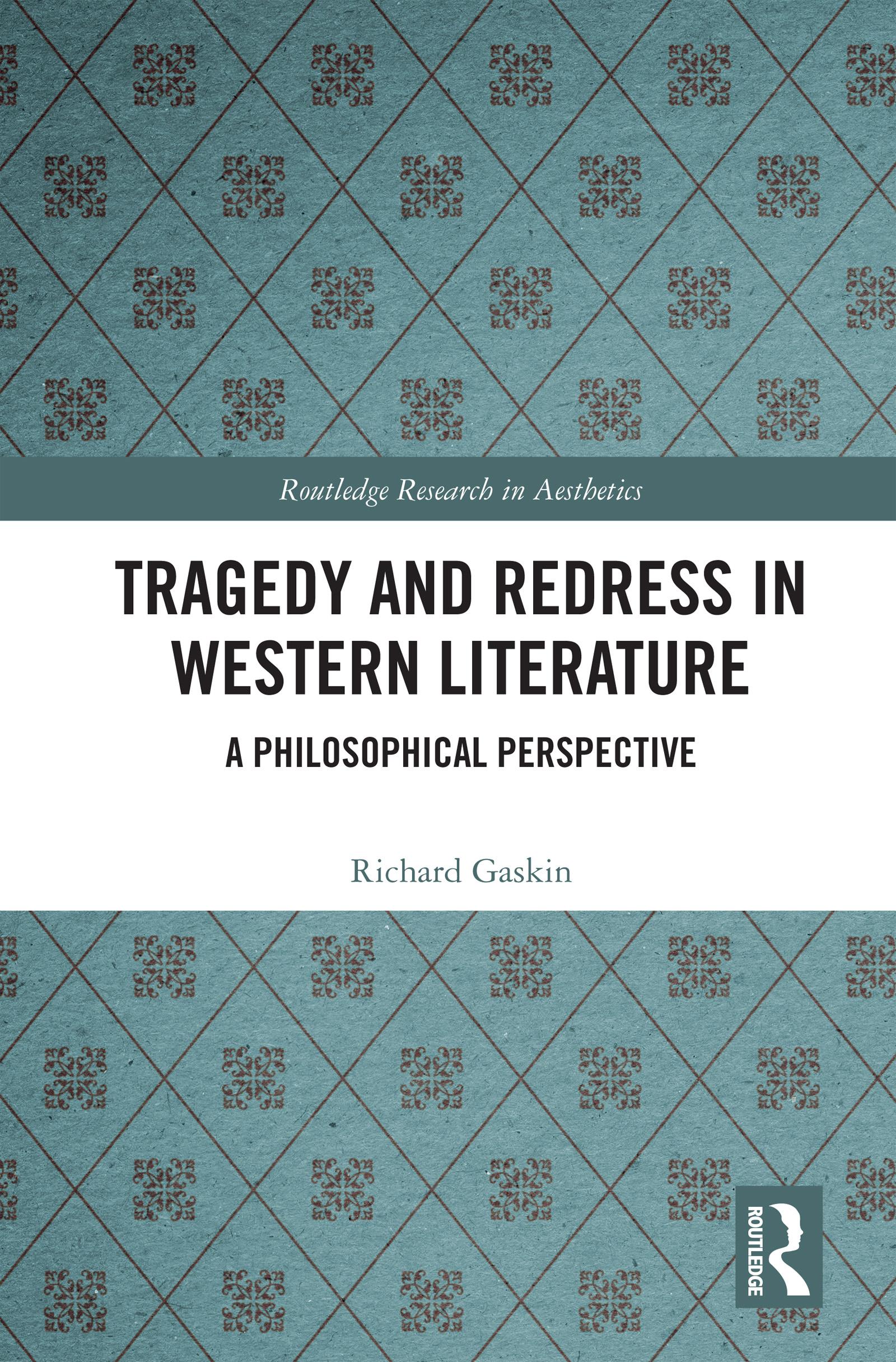
This book offers a unique interpretation of tragic literature in the Western tradition, deploying the method and style of Analytic philosophy. Richard Gaskin argues that tragic literature seeks to offer moral and linguistic redress (compensation) for suffering. Moral redress involves the balancing of a protagonist’s suffering with guilt (and vice versa): Gaskin contends that, to a much greater extent than has been recognized by recent critics, traditional tragedy represents suffering as incurred by avoidable and culpable mistakes of a cognitive nature. Moral redress operates in the first instance at the level of the individual agent. Linguistic redress, by contrast, operates at a higher level of generality, namely at the level of the community: its fundamental motor is the sheer expressibility of suffering in words. Against many writers on tragedy, Gaskin argues that language is competent to express pain and suffering, and that tragic literature has that expression as one its principal purposes.
The definition of tragic literature in this book is expanded to include more than stage drama: the treatment stretches from the Classical and Medieval periods through to the early twentieth century. There is a special focus on Sophocles, but Gaskin takes account of most other major tragic authors in the European tradition, including Homer, Aeschylus, Euripides, Virgil, Seneca, Chaucer, Marlowe, Shakespeare, Corneille, Racine, Lessing, Goethe, Schiller, Kleist, Büchner, Ibsen, Hardy, Kafka, and Mann; lesser-known areas, such as Renaissance neo-Latin tragedy, are also covered. Among theorists of tragedy, Gaskin concentrates on Aristotle and Bradley; but the contributions of numerous contemporary commentators are also assessed. Tragedy and Redress in Western Literature: A Philosophical Perspective offers a new and genuinely interdisciplinary perspective on tragedy that will be of considerable interest both to philosophers of literature and to literary critics.
Payez facilement par carte, Klarna, Apple Pay ou Google Pay. Pas satisfait ? Vous avez toujours une garantie de remboursement de 14 jours. En savoir plus dans nos conditions. Si vous avez des questions, envoyez-nous un e-mail à hello@memmo.org.
Memmo facilite tes études, où que tu sois dans le monde. On rassemble tes manuels de cours et des outils d'étude intelligents au même endroit : résumés, quiz, podcasts et flashcards. Et il y a Ted, ton compagnon d'étude qui répond à toutes tes questions. Plus de 50 000 étudiants étudient déjà ici – conçu pour t'aider à apprendre plus vite et à moins stresser.